Your cookie preferences

We use cookies to keep the site running, measure audience and personalise our communications. You can accept, refuse or customise your choices at any time. Cookie policy.

For Christmas, give a jar of herbal tea: free printable labels (in French)
The Herbarium51plants7catégories

All my plants,
the ones I've always kept close at hand.

What we do with each plant, the way we always have.
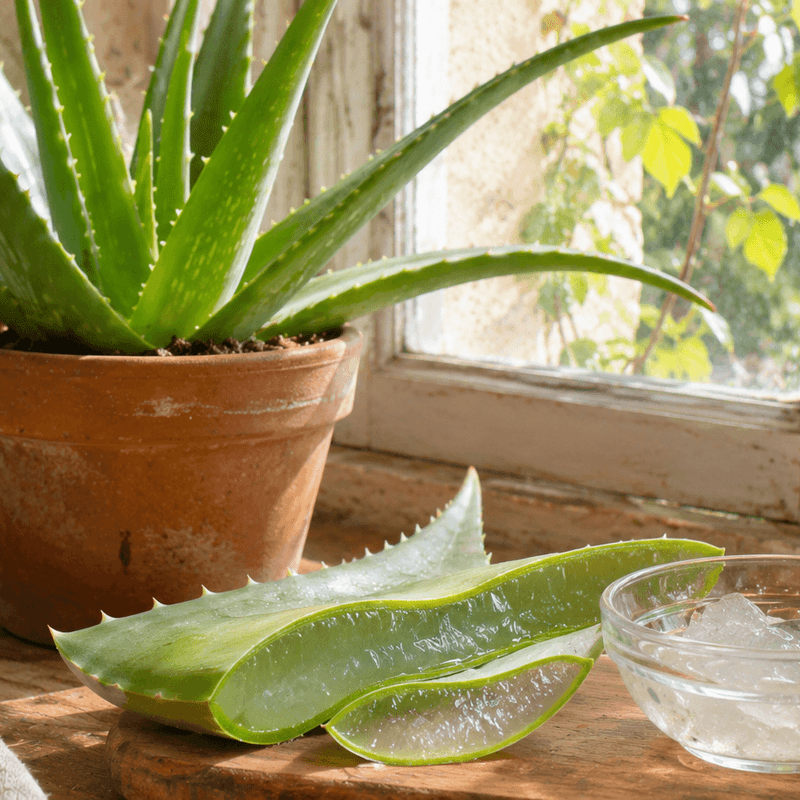
Aloe vera in a terracotta pot on a windowsill, an opened leaf showing its gel and a small dish of gel.
N° P-067Other

Aloe vera

Aloe vera

Aloe vera is a succulent from dry countries. The clear gel inside its leaves goes on skin and hair; the yellow sap hiding under the green skin gets thrown away.

Read the entry
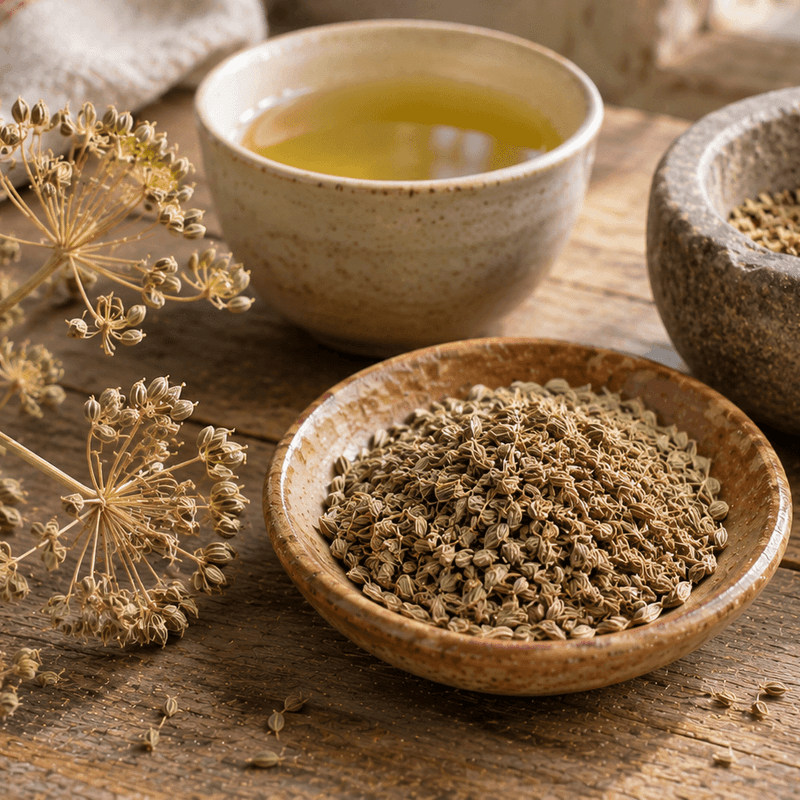
Dried anise umbels, a dish of aniseeds, a mortar and a cup of infusion on a wooden table.
N° P-072Carrot family

Anise

Pimpinella anisum

Green anise means the little grey-green seeds of a Mediterranean umbellifer: I steep them when my tummy bloats or when I cough with a cold, and I put some in my biscuits.

Read the entry
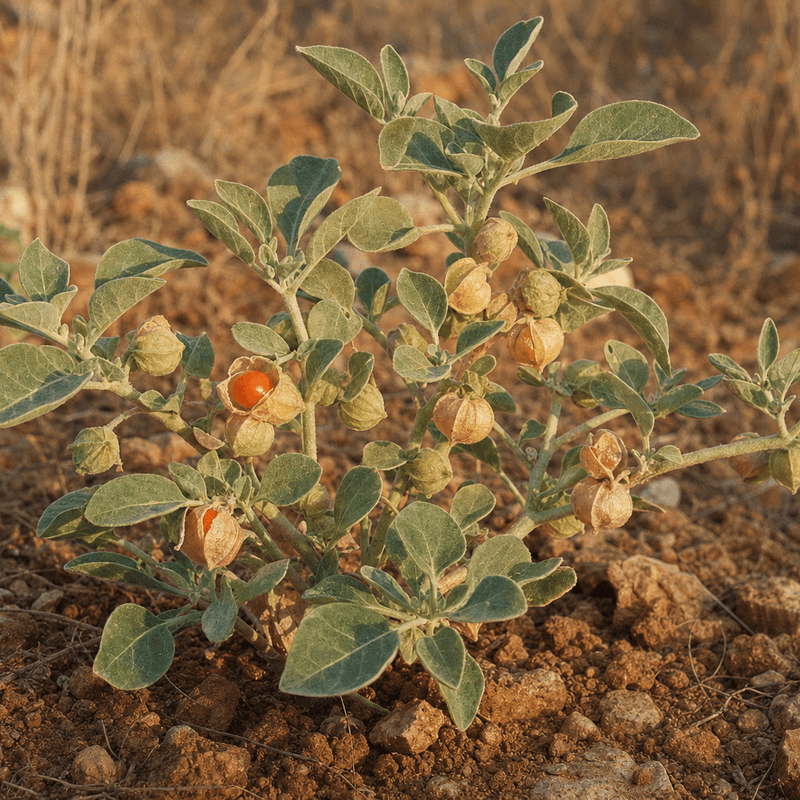
An ashwagandha plant with soft grey-green leaves and orange-red berries inside papery lanterns, growing in dry stony soil in the evening sun.
N° P-045Nightshade family

Ashwagandha

Withania somnifera

The root of a small shrub from dry countries, a cousin of the tomato, used in India for thousands of years. Not banned in France, but advised against for quite a lot of people.

Read the entry
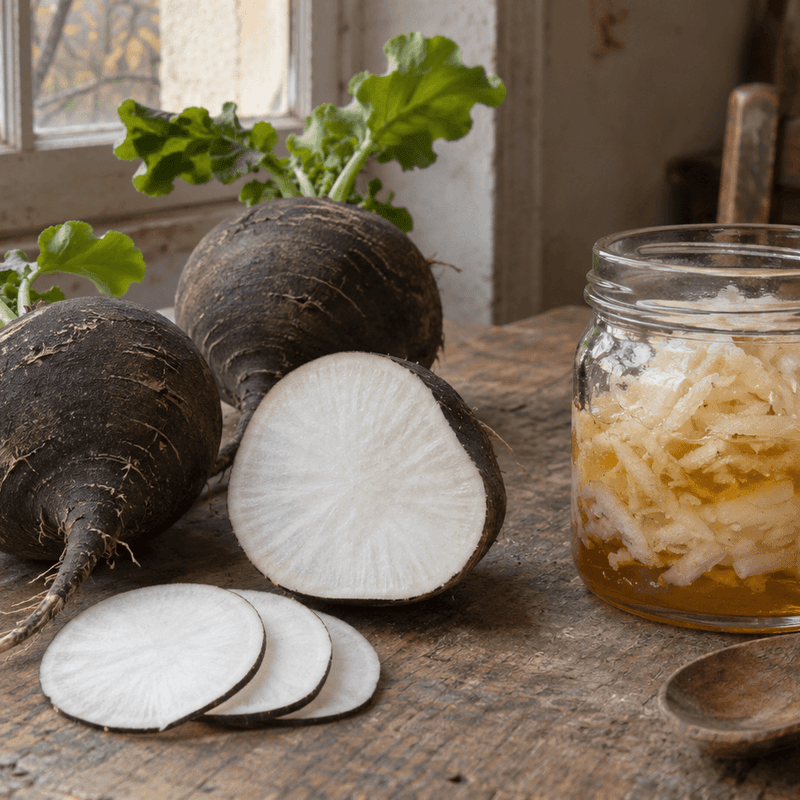
Whole and halved black radishes with white flesh, and a jar of grated radish with honey on a kitchen table.
N° P-062Cabbage family

Black radish

Raphanus sativus var. niger

Black radish is the big winter radish with black skin and hot white flesh: raw in thin slices, cooked in soup, and as a honey syrup when the winter cough settles in.

Read the entry
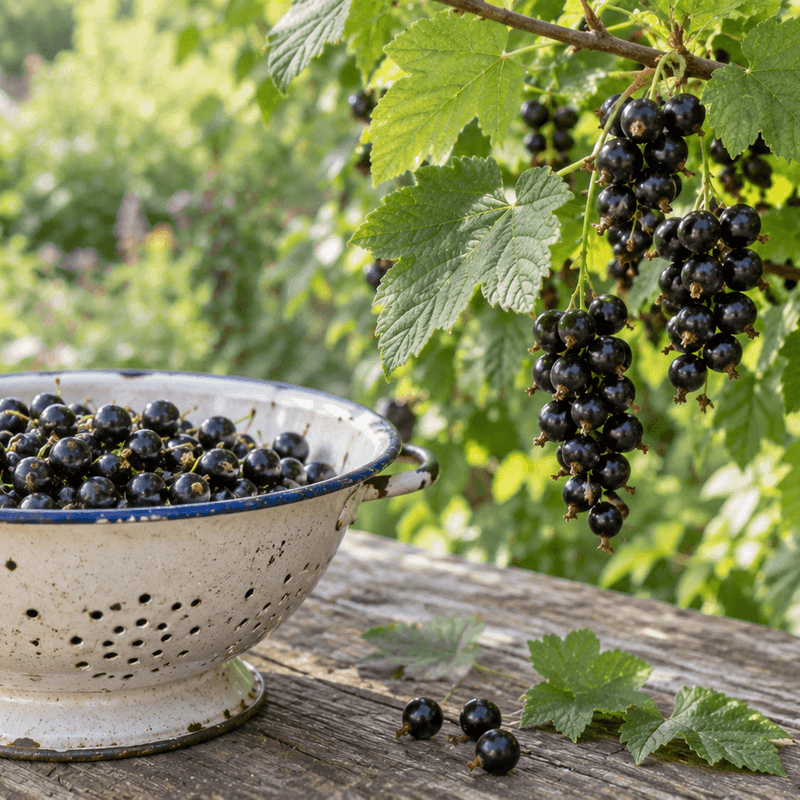
Clusters of blackcurrants on the bush in the kitchen garden in July, and an enamel colander full of picked berries.
N° P-068Other

Blackcurrant

Ribes nigrum

Blackcurrant is the small, black, tart berry of the blackcurrant bush: I pick it from late June to late July, make syrup and jelly with it, and its dried leaves are drunk in a cup.

Read the entry
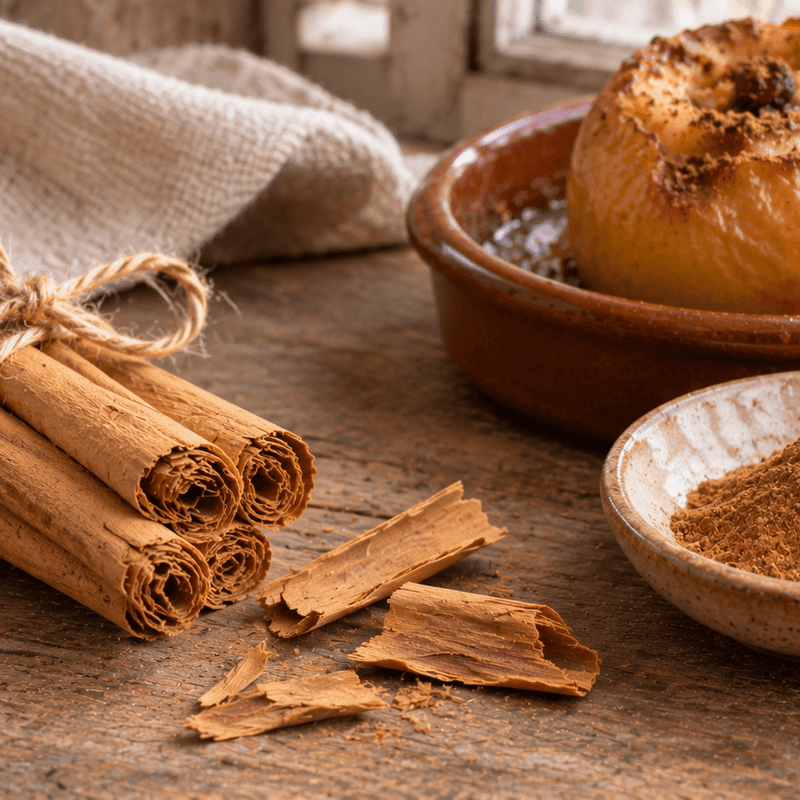
Ceylon cinnamon sticks with thin rolled layers, a bowl of ground cinnamon and a baked apple on a wooden table.
N° P-070Laurel family

Ceylon cinnamon

Cinnamomum verum

Ceylon cinnamon is true cinnamon: the thin bark of a tree from Sri Lanka, in sticks of many layers, with far less coumarin than cassia. I put it in rice pudding, and in a cup when my tummy bloats.

Read the entry
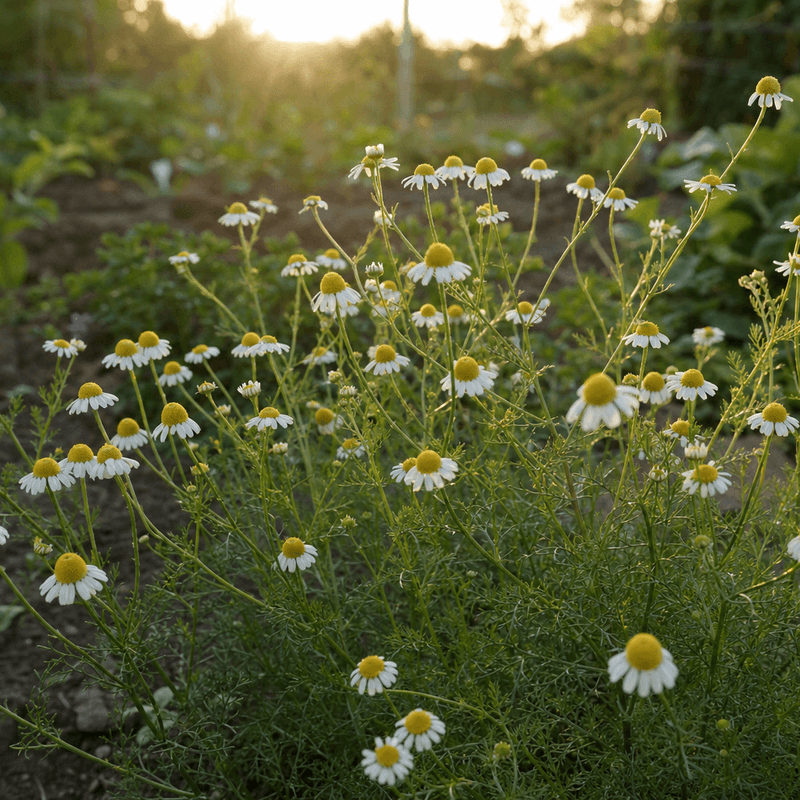
German chamomile blooming at the edge of a vegetable garden in the evening sun: small flowers with drooping petals, domed yellow centres, fine feathery leaves.
N° P-020Daisy family

Chamomile

Matricaria chamomilla L.

Chamomile means two little flowers for your cup: German chamomile, mild, and Roman chamomile, bitter. For a bloated tummy, an irritated throat, skin that's got too hot.

Read the entry
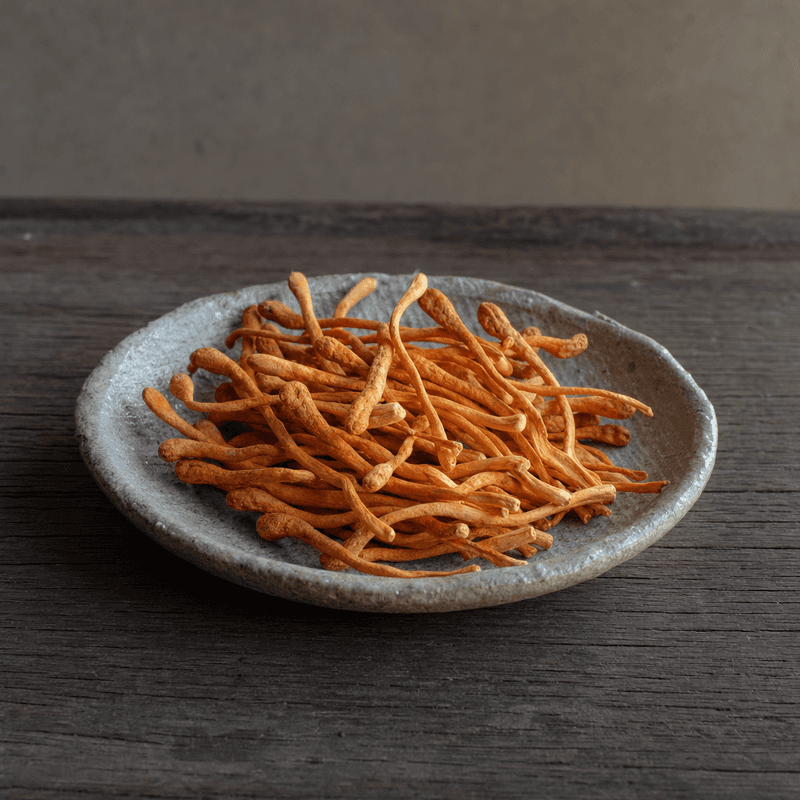
Thin, orange dried Cordyceps militaris mushrooms in a small stoneware dish on an old dark wooden table, in winter window light.
N° P-054Other

Cordyceps

Cordyceps militaris

A strange mushroom that grows on insects. The most famous one comes from the meadows of Tibet, the little orange one is farmed. Me, I don't use it, and I'll tell you why.

Read the entry
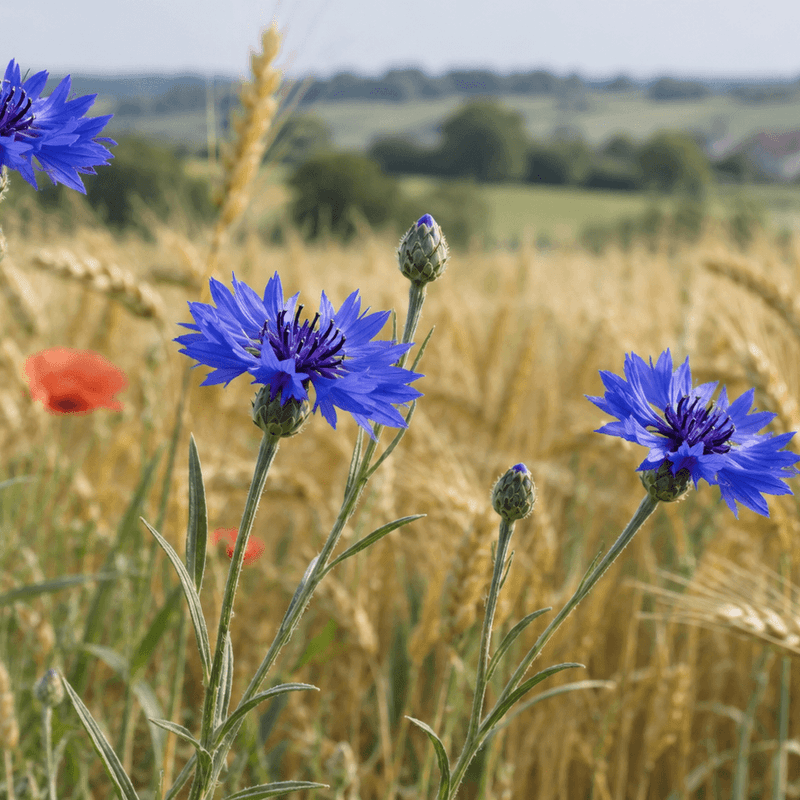
Bright blue cornflowers at the edge of a wheat field in June, with a few poppies and a village in the distance.
N° P-059Daisy family

Cornflower

Centaurea cyanus

Cornflower is the little blue flower of the wheat fields and of 11 November in France: a pinch in the cup for colour, a few flowers on a salad, and nothing on the eyes any more.

Read the entry
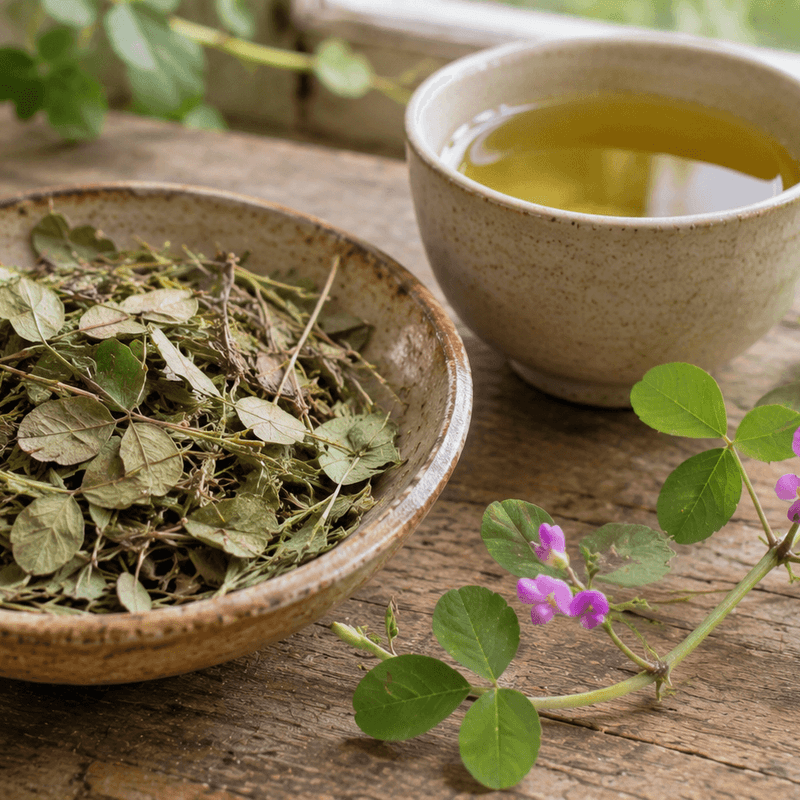
A bowl of dried desmodium, a fresh sprig with small pink flowers and a cup of infusion on a wooden table.
N° P-069Legume family

Desmodium

Desmodium adscendens

Desmodium is a small creeping plant from the bean family, from hot countries. In West Africa, people drink its boiled leaves. Here, it’s advised against as a supplement.

Read the entry
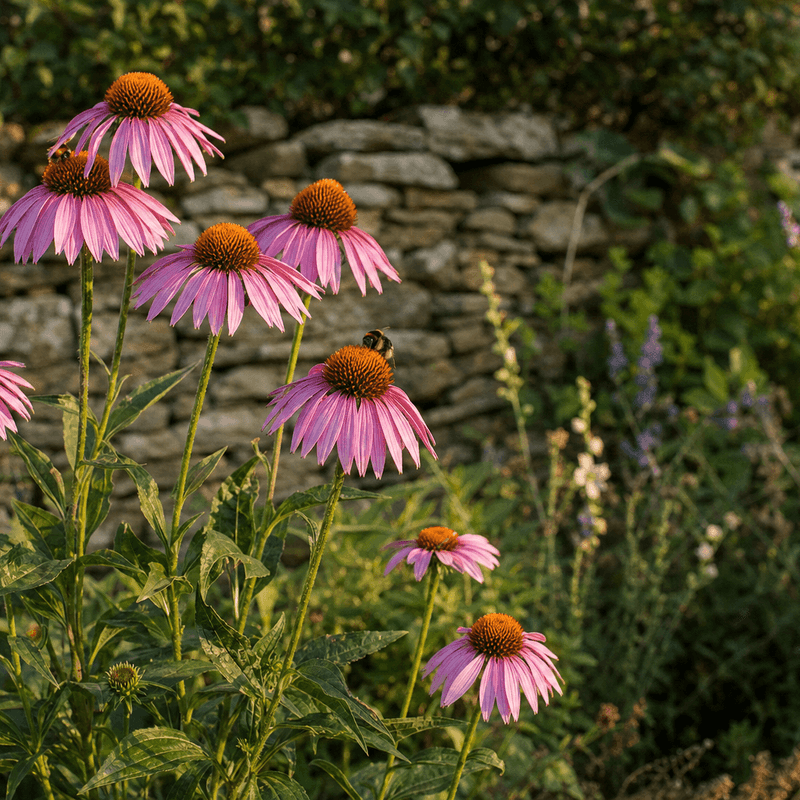
Purple coneflowers with raised orange centres in a garden border in front of an old dry-stone wall, late on a summer afternoon.
N° P-050Daisy family

Echinacea

Echinacea purpurea

The big purple flower with a hedgehog heart: three echinaceas you don't take the same way, the root tea for the first days of a cold, and what to know first.

Read the entry
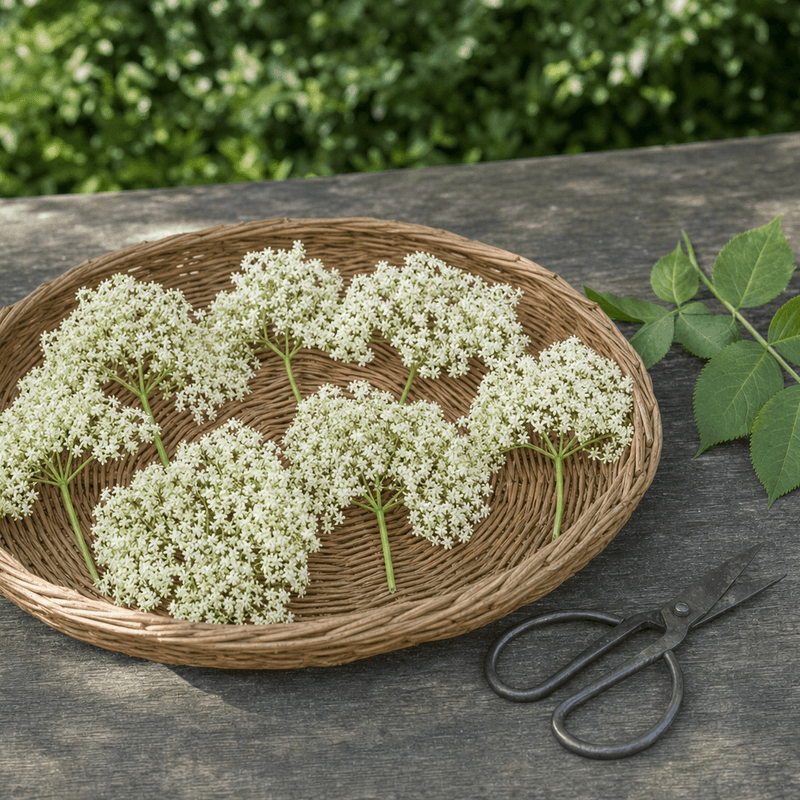
Freshly picked black elderflower heads in a flat wicker basket, with a compound leaf and old scissors on a garden table.
N° P-052Moschatel family

Elder

Sambucus nigra

The hedgerow shrub with white flower umbrellas: flower tea and syrup, jam from cooked berries. How to tell it from dwarf elder, and what you never eat.

Read the entry
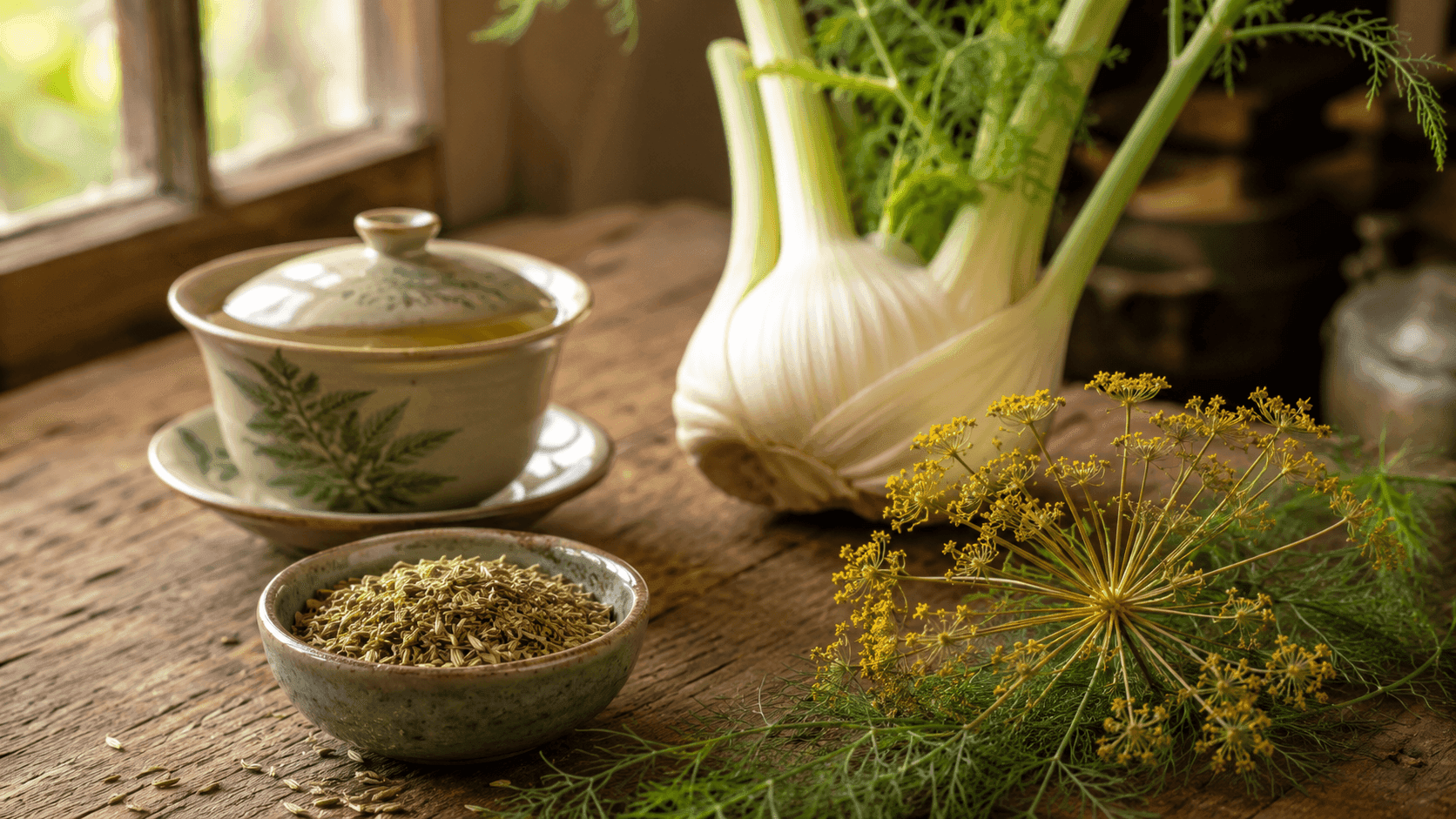
Fennel
N° P-033Carrot family

Fennel

Foeniculum vulgare Mill.

Fennel is the tall plant that smells of anise: its seeds go into a tea when your tummy bloats, the Florence bulb goes into the kitchen, and wild fennel grows along the roadsides.

Read the entry
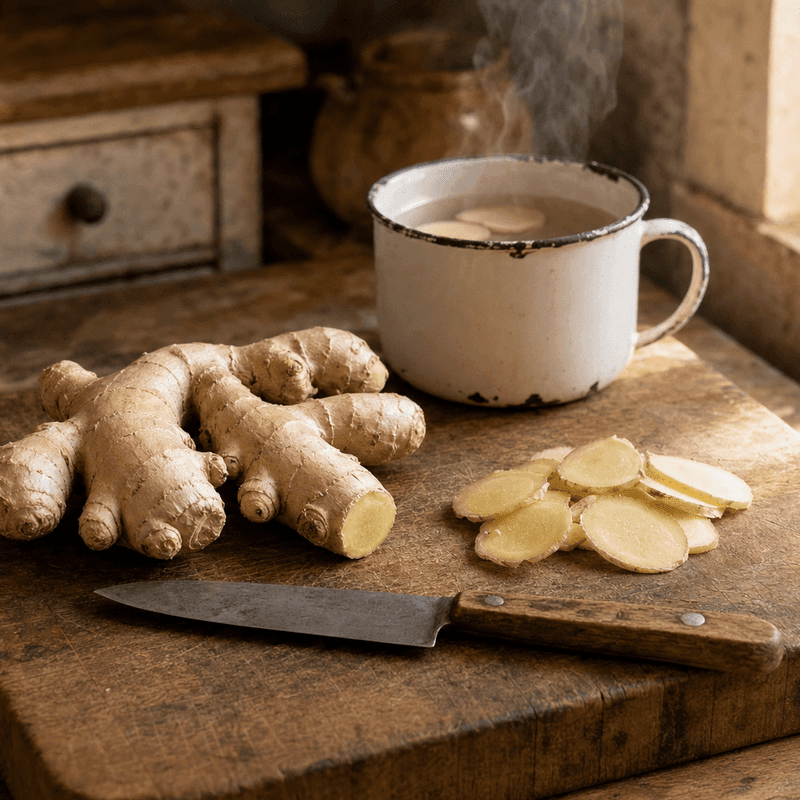
A fresh ginger rhizome and a few slices on a chopping board, with an enamel mug of hot ginger water by the window.
N° P-036Ginger family

Ginger

Zingiber officinale

Ginger is the hot, peppery rhizome of a tall Asian plant. At my place, it goes in the cup with lemon, into dishes grated at the last minute, and into the gingerbread.

Read the entry
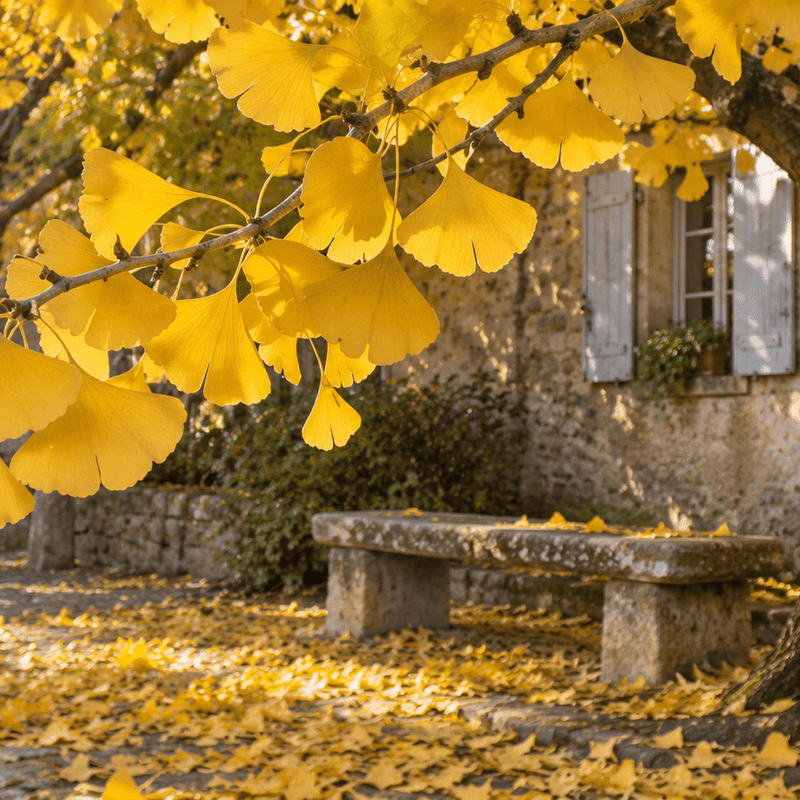
A ginkgo branch with yellow fan-shaped leaves above a stone bench in a village square in November.
N° P-064Ginkgo family

Ginkgo

Ginkgo biloba

The ginkgo is the forty-crown tree from China, with fan-shaped leaves that turn gold in November. I love it in the garden; its seeds are eaten only cooked, and only a few.

Read the entry
Ginseng
N° P-041

Ginseng

Panax ginseng

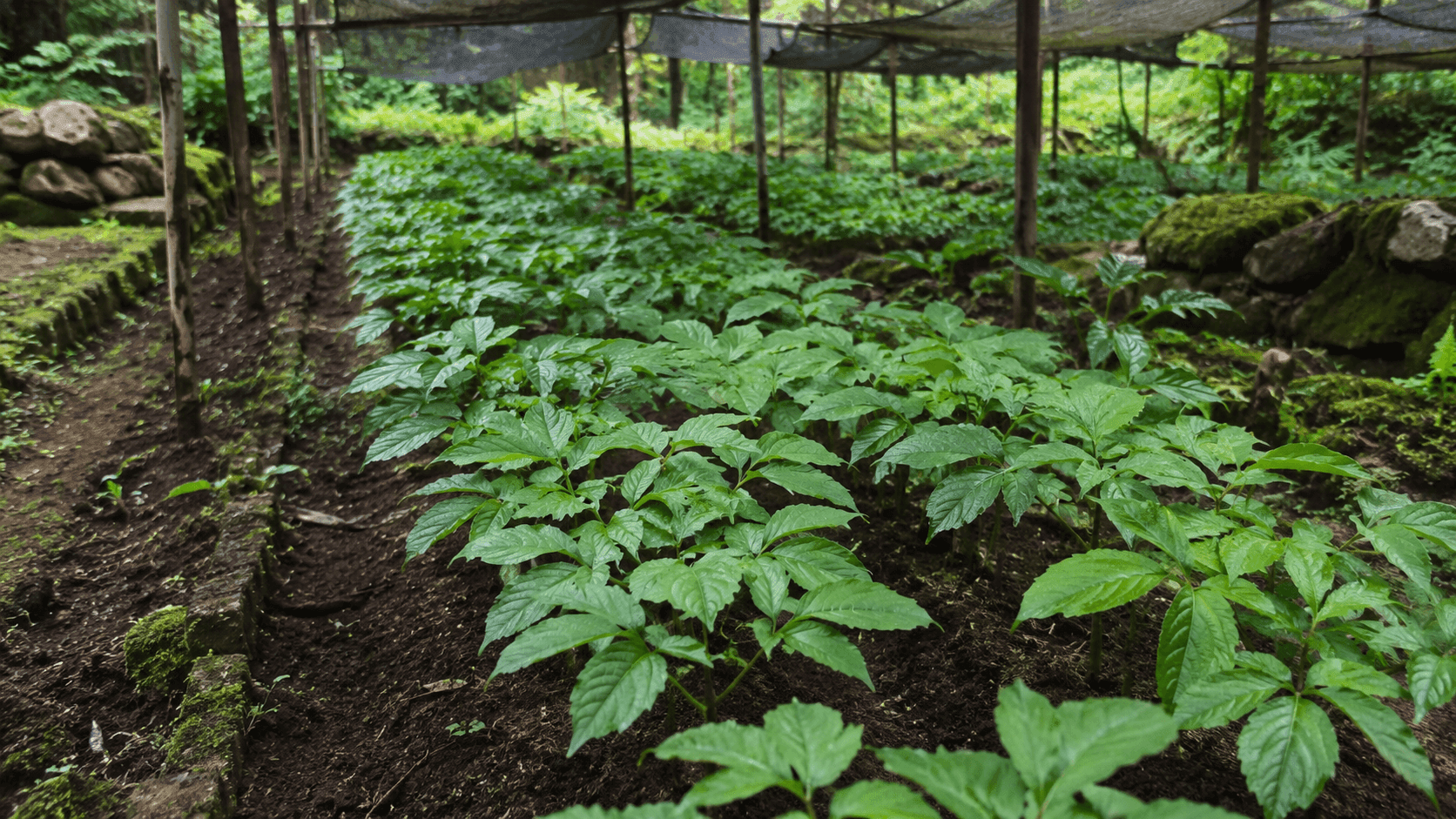
The man-root from the shady woods of Korea and northeast China. I simmer it in the morning, for a few weeks at a time, when I'm feeling flat.

Read the entry
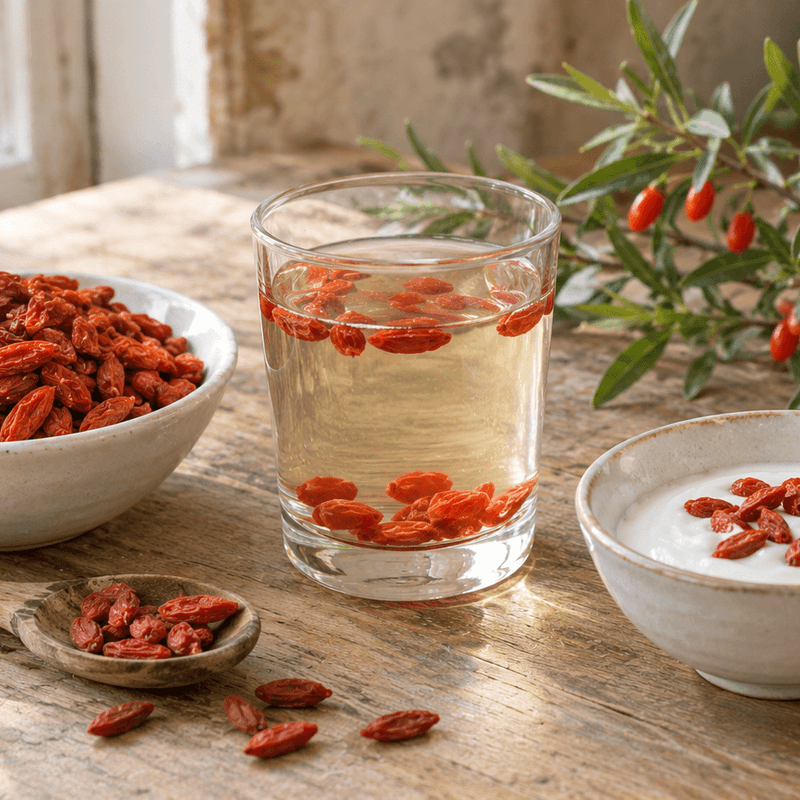
Dried goji berries in a bowl, in a glass of warm water and on a yogurt, with a goji sprig in the background.
N° P-056Nightshade family

Goji berry

Lycium barbarum

The goji berry is the little red fruit of the wolfberry, a thorny shrub from China, cousin to the tomato. Dried, I nibble it, steep it or drop it in soup, 6 to 12 g a day.

Read the entry
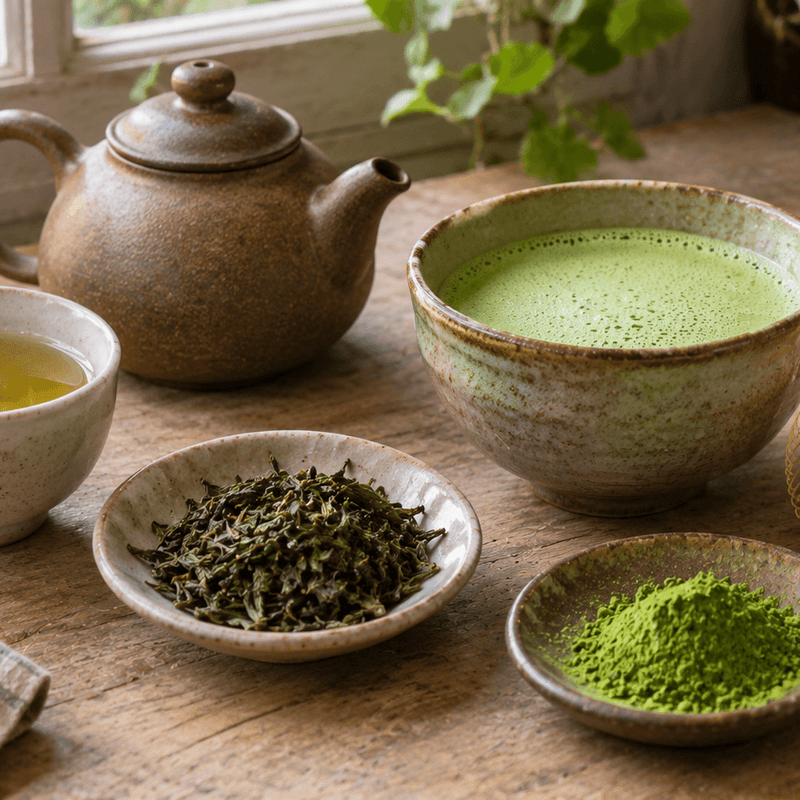
A stoneware teapot, a cup of green tea, dried tea leaves, a bowl of matcha latte and a bamboo whisk on a wooden table.
N° P-066Tea family

Green tea

Camellia sinensis

Green tea is the leaves of the tea plant, heated straight away so they stay green. I drink it in the afternoon, water at 70 to 80 °C, and on Sundays as a matcha latte. It has caffeine.

Read the entry
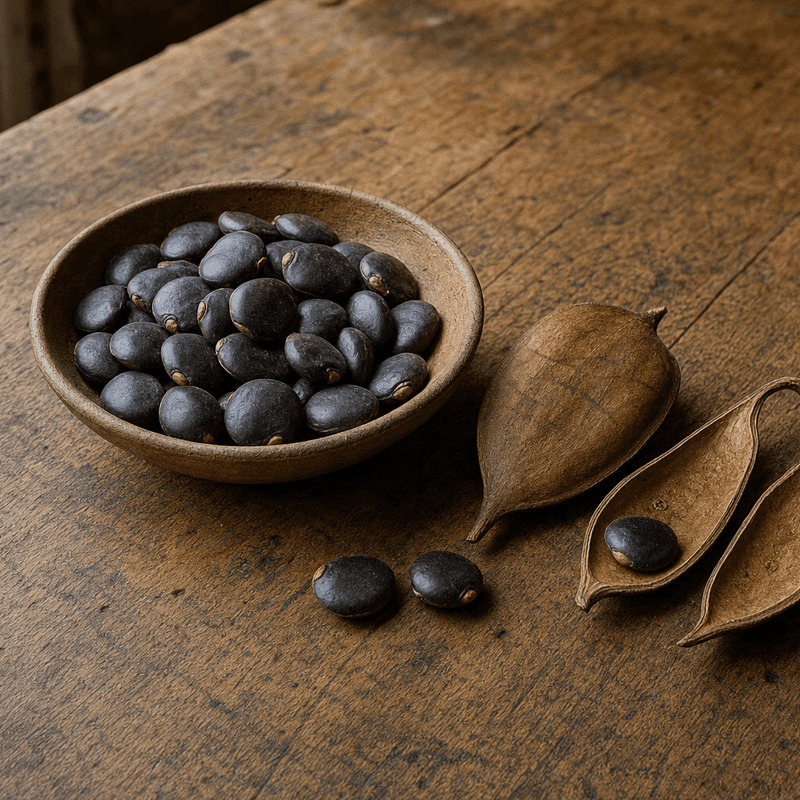
Dark griffonia seeds in a stoneware bowl on an old wooden table, beside flat brown pods, one split open.
N° P-051Legume family

Griffonia

Griffonia simplicifolia

A wild vine from West Africa, a cousin of the beans, whose seeds factories turn into the 5-HTP in supplements. Over there, it's mostly the stems and leaves that people use.

Read the entry
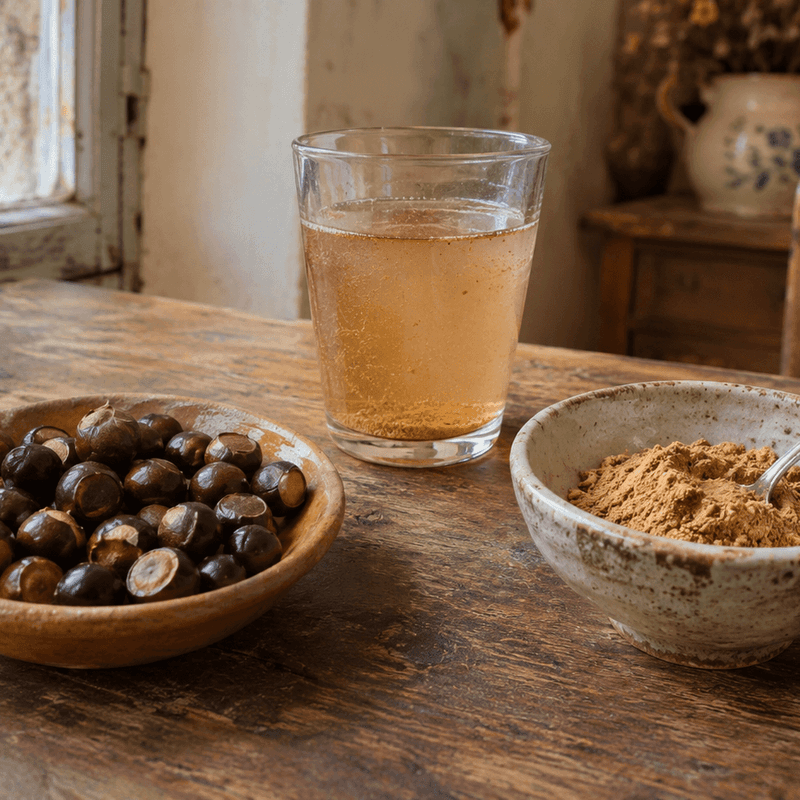
Dried guarana seeds in a dish, a bowl of powder and a glass of water on an old wooden table.
N° P-061Soapberry family

Guarana

Paullinia cupana

Guarana is the seed of an Amazon vine, full of caffeine. I grind it and stir one small 450 mg dose into water in the morning, counting it along with my coffee.

Read the entry
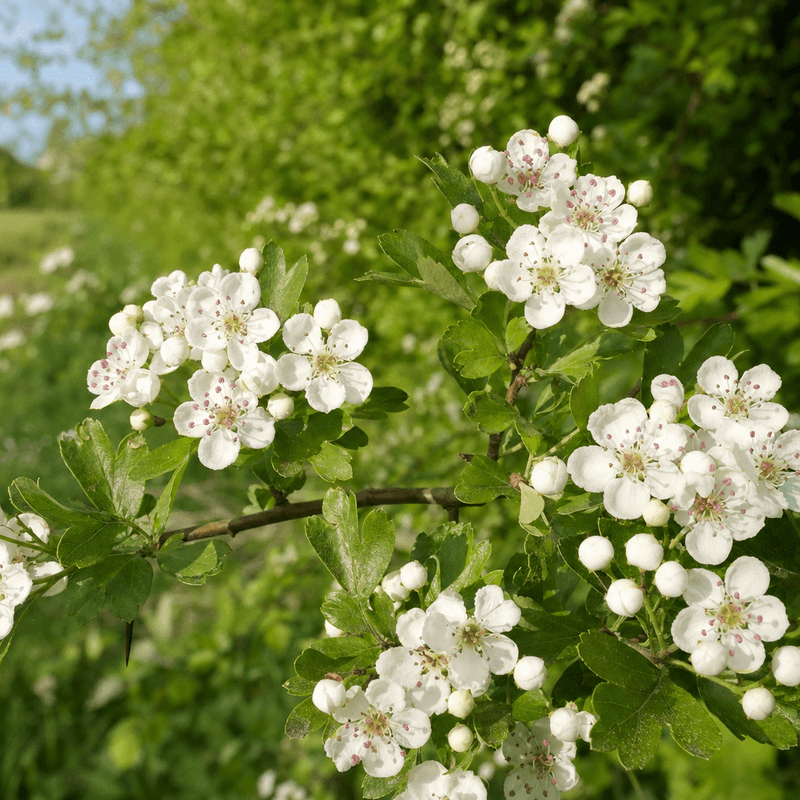
A flowering hawthorn branch in a country hedge in May: small white flowers with pink stamens, lobed leaves and thorns.
N° P-037

Hawthorn

Crataegus monogyna

Hawthorn is the white thorn of our hedges. Its May flowers go in a cup when nerves set your heart pounding, and its red haws end up as syrup in the autumn.

Read the entry
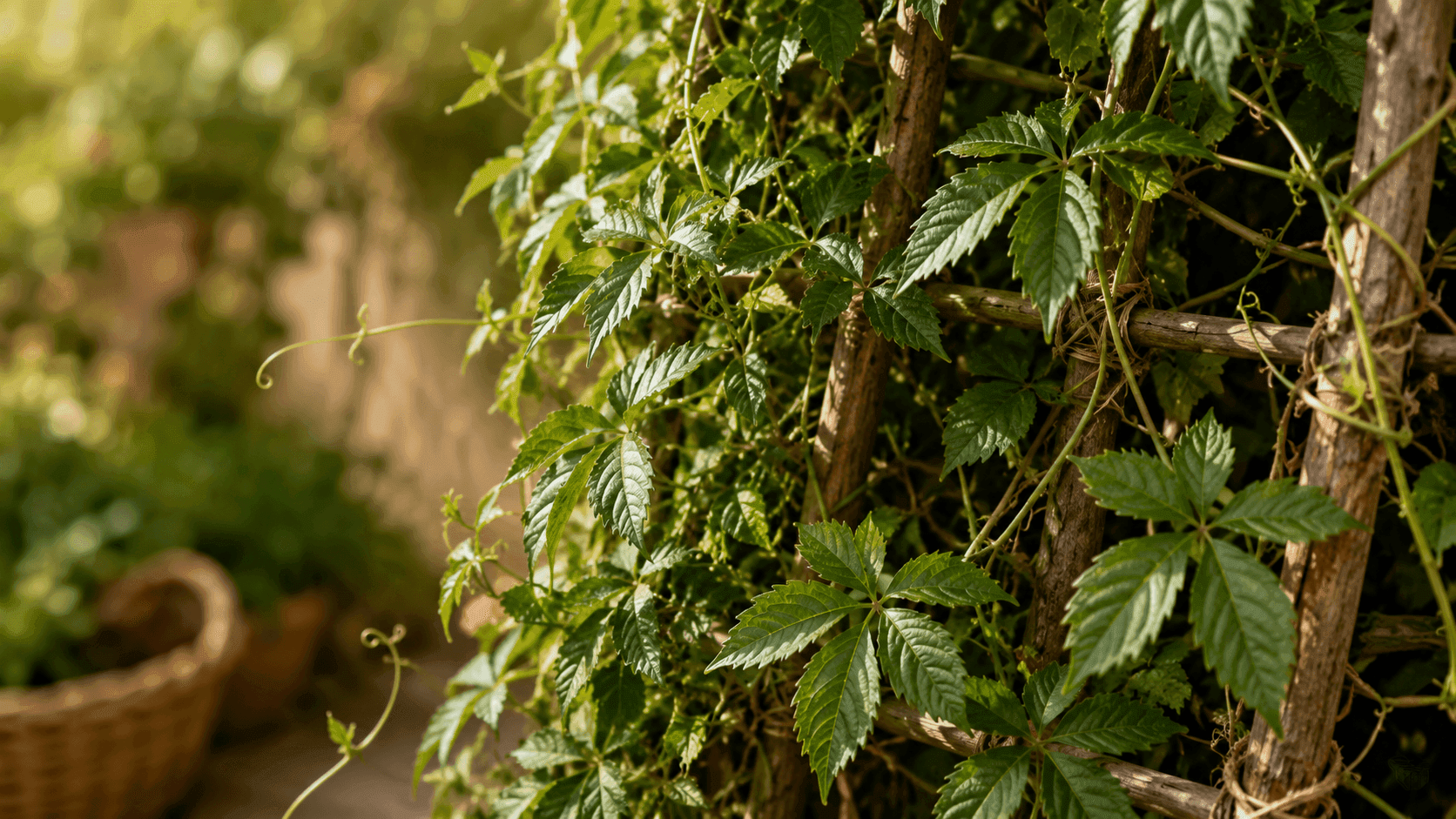
Herb of Immortality
N° P-038

Herb of Immortality

Gynostemma pentaphyllum

Jiaogulan is the herb of immortality: an Asian vine, a cousin of the cucumber, drunk as a mild, slightly bitter tea. Where it comes from, how I make it and grow it, and what to know first.

Read the entry
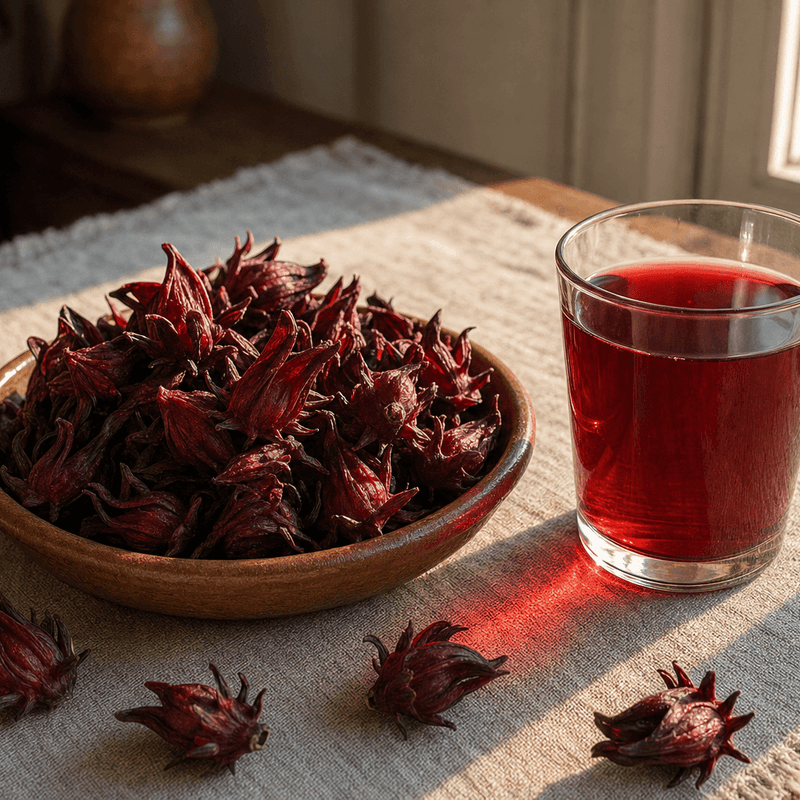
Dried deep red hibiscus calyces in an earthenware bowl, with a glass of ruby infusion lit by late-afternoon sun.
N° P-031Mallow family

Hibiscus

Hibiscus sabdariffa

The hibiscus in my cup is roselle, also called Guinea sorrel: its dried red calyces make bissap, a tart drink I have iced in summer and hot in winter.

Read the entry
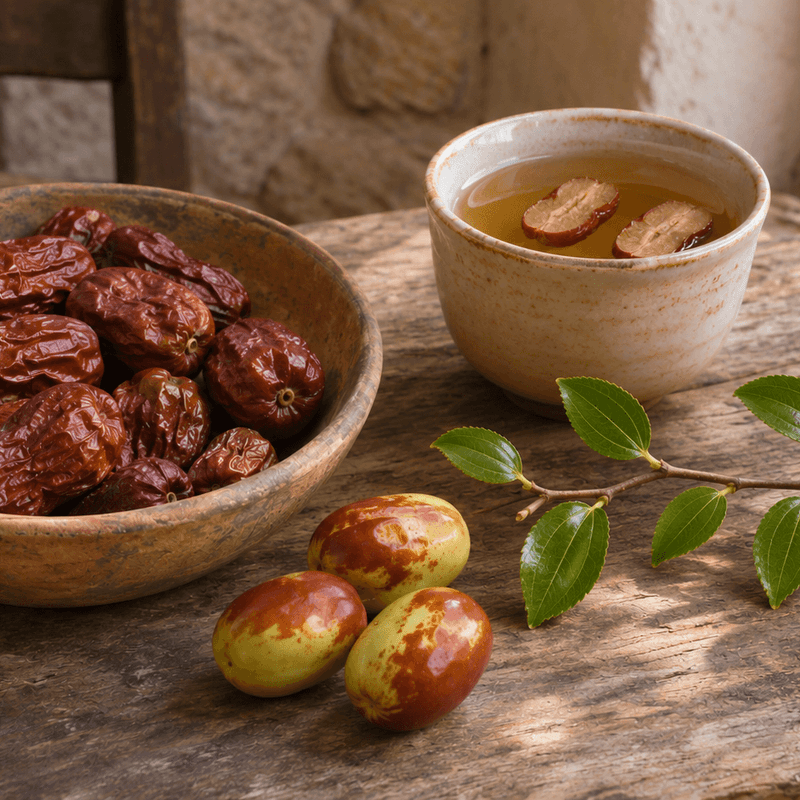
A bowl of dried jujubes, a few fresh jujubes, a jujube twig and a cup of infusion on an old wooden table.
N° P-057Other

Jujube

Ziziphus jujuba

Jujube is the fruit of the jujube tree, a little red date from China that people also call Chinese date. Fresh in September, it crunches like an apple; dried, you nibble it like a date, or simmer it into a tea on grey days.

Read the entry
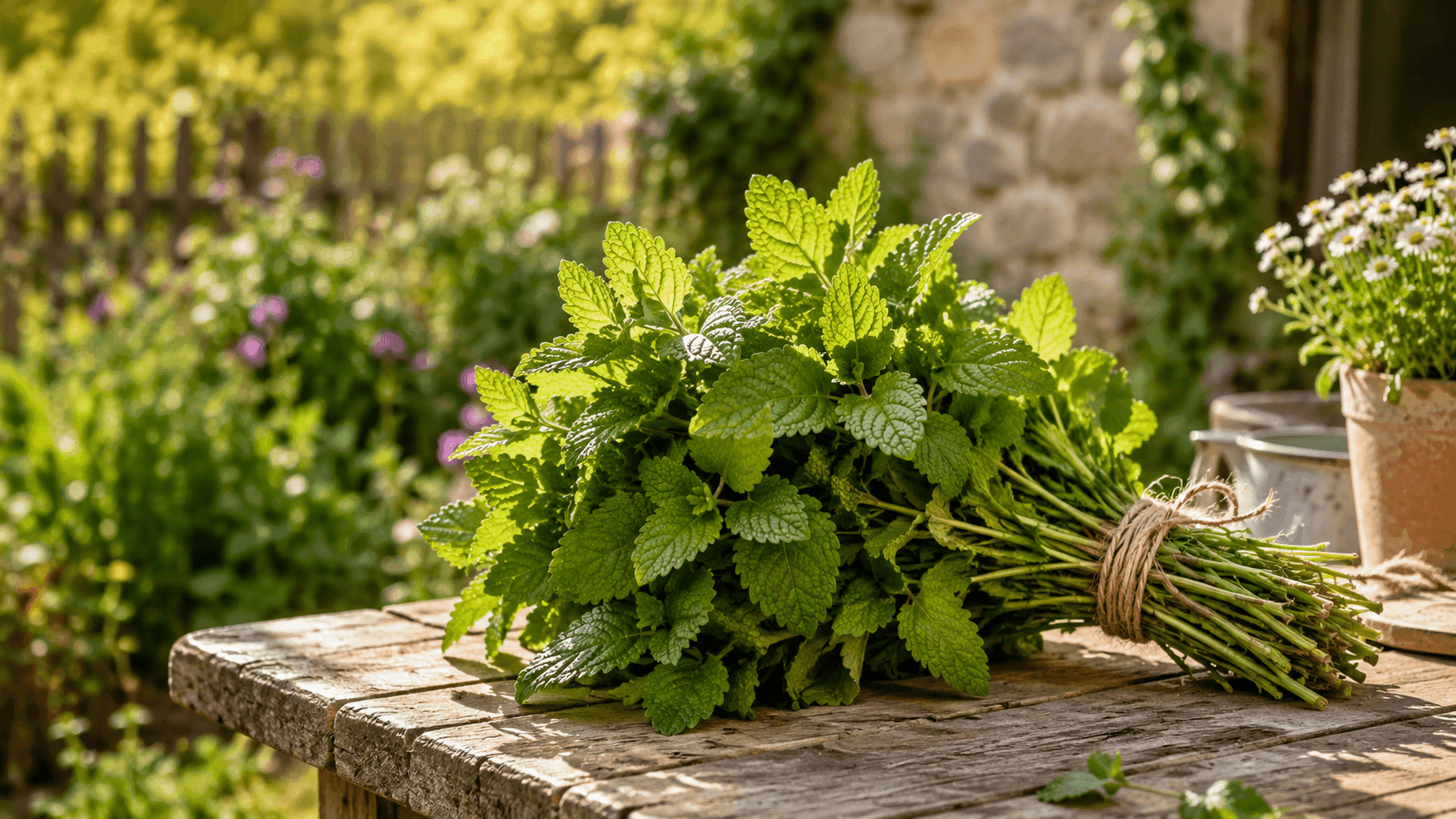
Mélisse
N° P-018Mint family

Lemon balm

Melissa officinalis

Lemon balm is the perennial garden herb that smells of lemon when you crush it: a cup in the evening, a cup when your tummy bloats, and a few leaves over summer fruit.

Read the entry
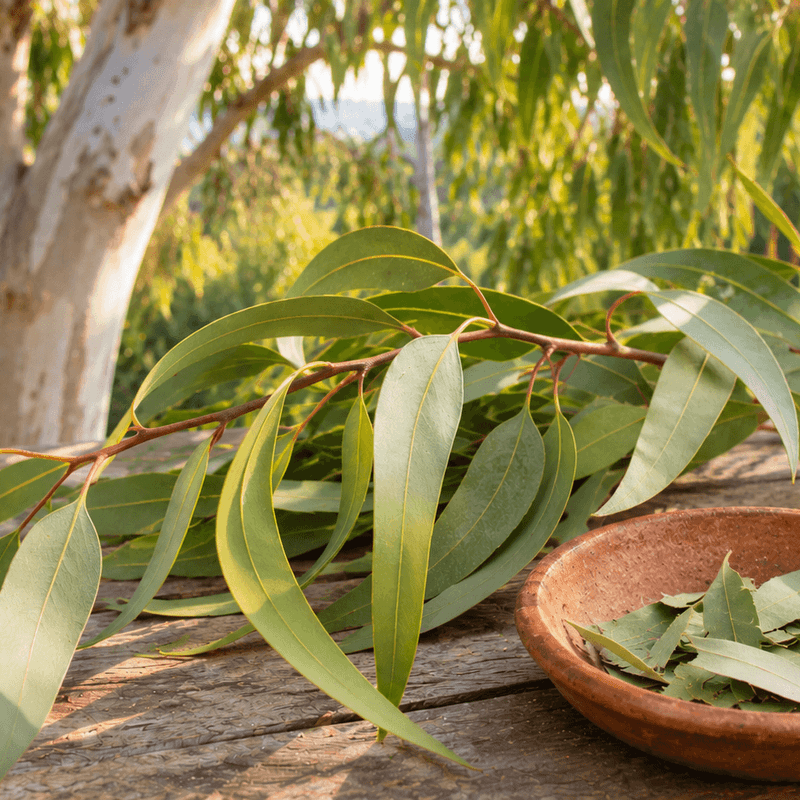
A lemon-scented gum branch with long narrow leaves on a terrace table, with the tree's pale trunk behind.
N° P-071Other

Lemon eucalyptus

Corymbia citriodora

Lemon eucalyptus is a tall Australian tree whose leaves smell of lemon: its essential oil scents the house, but against mosquitoes, the little bottle isn’t enough.

Read the entry
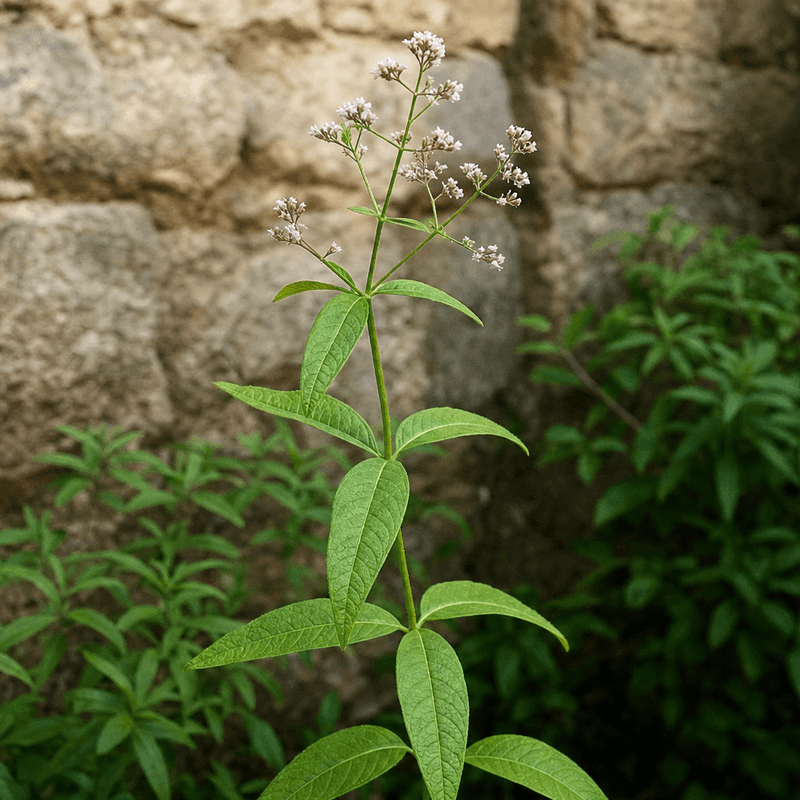
A flowering lemon verbena branch against an old stone wall: narrow, elongated leaves in threes and tiny lilac-white flowers.
N° P-030Verbena family

Lemon verbena

Aloysia citrodora

Lemon verbena is the little shrub from the Andes with leaves that smell of lemon: a cup in the evening before bed, a cup when your belly bloats, and a syrup over summer melon.

Read the entry
Linden
N° P-021Other

Linden

Tilia cordata / Tilia platyphyllos

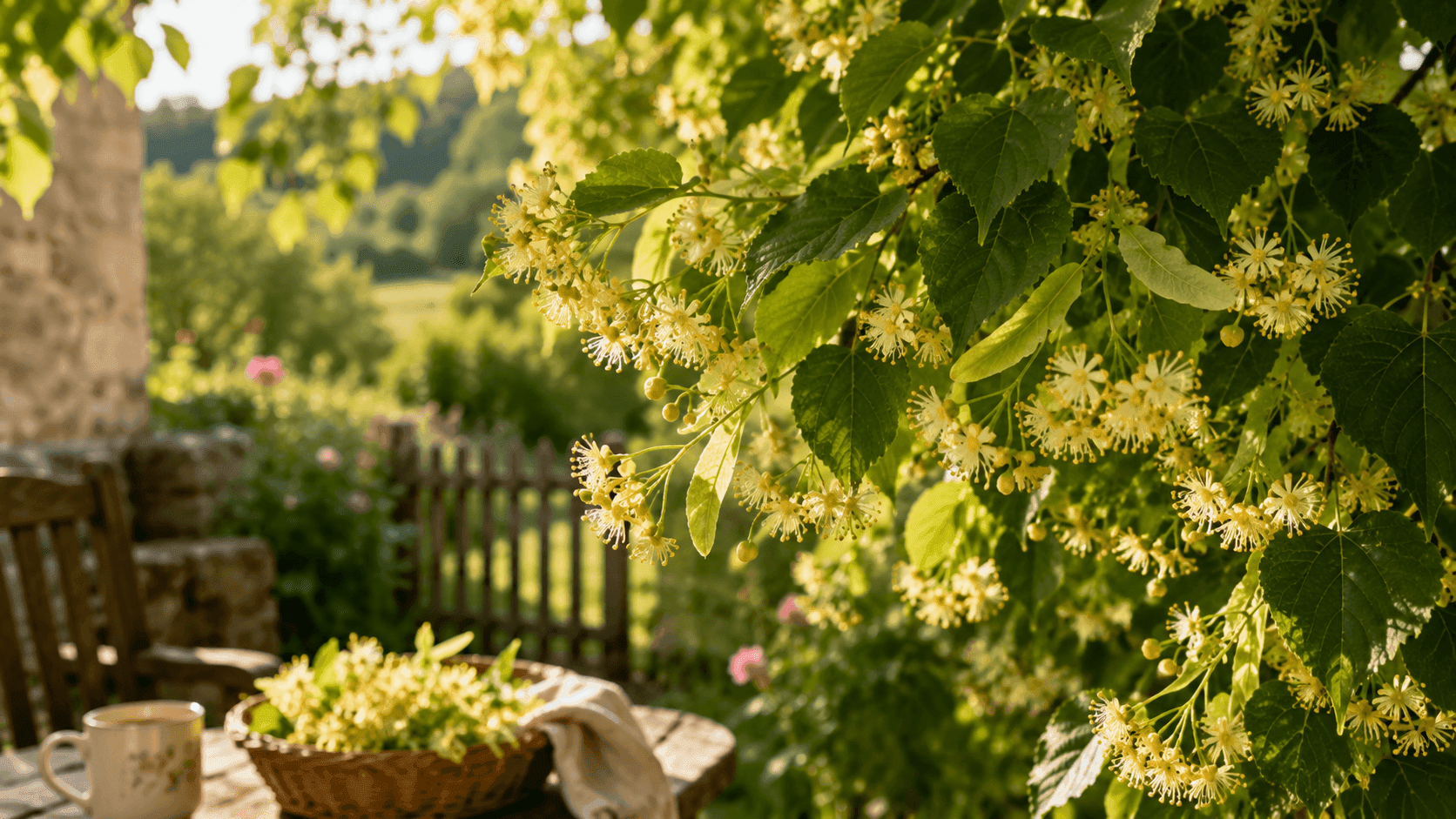
Linden is the big tree on village squares. Its dried flowers, with their bract, make the evening cup and the one for days when you've caught a chill.

Read the entry
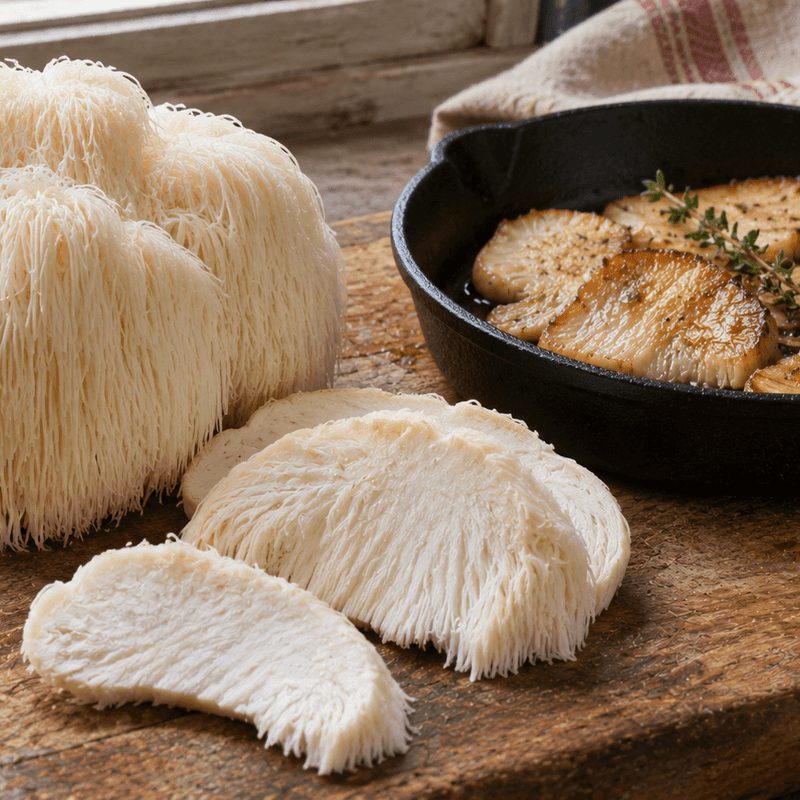
A whole lion's mane mushroom with long white spines, a few raw slices and a pan of slices browned in butter with thyme.
N° P-065Medicinal mushrooms

Lion's mane

Hericium erinaceus

Lion’s mane, the French hydne hérisson or crinière de lion: a white mushroom made of spines, rare in our woods, that I buy cultivated and brown in butter.

Read the entry
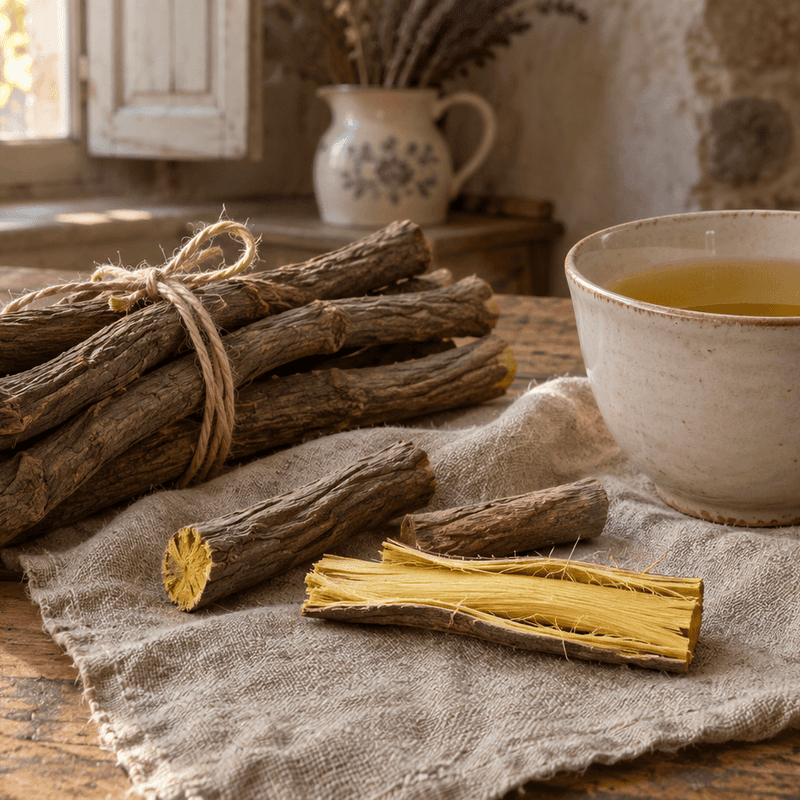
Dried licorice root sticks tied with string, one split stick showing yellow fibres and a cup of infusion on a linen cloth.
N° P-063Legume family

Liquorice

Glycyrrhiza glabra

Liquorice is a Mediterranean plant with a very sweet root, the one behind chewing sticks and black sweets. I keep it for now and then, never more than 4 weeks.

Read the entry
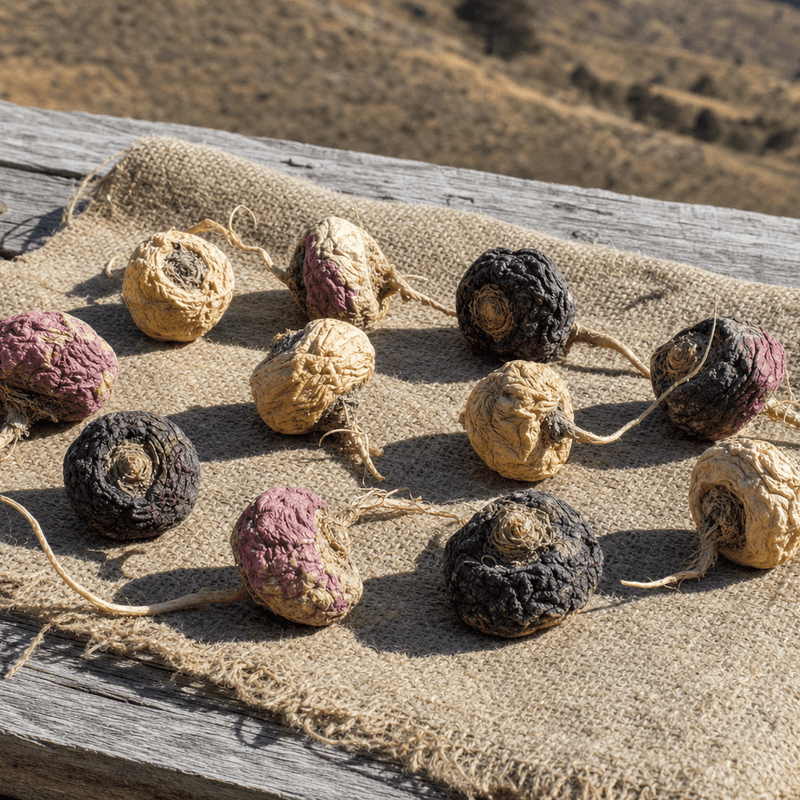
Sun-dried maca roots in cream, pink and dark purple, laid out on a jute cloth on an old outdoor wooden table.
N° P-044Cabbage family

Maca

Lepidium meyenii

The root of a little plant from the Peruvian Andes, a cousin of the radish, eaten cooked or dried over there. Here it's mostly sold as a powder, and the authorities stay cautious.

Read the entry
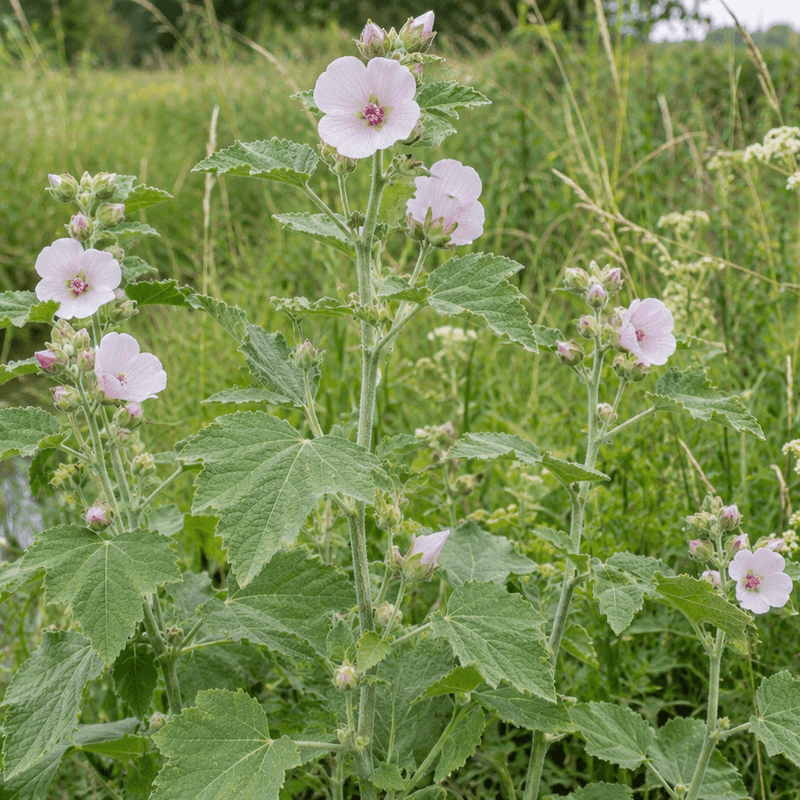
Marshmallow in pale pink flower beside a damp ditch in July.
N° P-058Mallow family

Marshmallow

Althaea officinalis

Common marshmallow is the tall, soft plant of the water's edge whose root gave its name to the sweet: a cold glass when your throat feels scratchy, and homemade marshmallows for the afternoon snack.

Read the entry

Looking for something in particular?

Come this way instead: I sort my plants by whatever is troubling you.

Browse by everyday concern