Hawthorn is the white thorn of our hedges. Its May flowers go in a cup when nerves set your heart pounding, and its red haws end up as syrup in the autumn.
Who she really is
Family: Rose family (Rosaceae). Hawthorn grows wild from Europe to the Caucasus, and from North Africa to Iraq; here in France, it's in nearly every hedge.
Part used: the flowering tops, meaning the tips of the twigs with their flowers and leaves, dried. The fruits, the haws, go to the kitchen.
Hawthorn is the white thorn, the prickly shrub in our hedges that covers itself in little white flowers in spring. I pick its flowers in May for the cup on evenings when nerves set my heart pounding. In autumn, its red haws end up as syrup.
Her story
Hawthorn is the white thorn of our hedges, that prickly shrub that covers itself in little white flowers in spring. We dry its flowers with their leaves for the cup, and its red fruits, the haws, end up as syrup in the autumn. At my place, it closes off the bottom of the garden.
Hawthorn, the white thorn of our hedges: tree or shrub?
Its scholarly name is Crataegus monogyna. It belongs to the rose family (Rosaceae), like blackthorn and the dog rose. It grows wild from Europe to the Caucasus, and from North Africa to Iraq. In France you find it almost everywhere, in hedges and at the edge of woods, up to 1,600 metres. Wild hawthorn is very likely growing at the end of your lane.
Tree or shrub? Both, depending on whether you prune it or not. In a hedge, it stays a tight bush. Left alone, it grows 2 to 10 metres tall and makes a proper little tree. And it can live to a great age. In Bouquetot, in the Eure, there's one said to have been planted near the church around 1360. In Saint-Mars-sur-la-Futaie, in Mayenne, village tradition dates theirs back to the 3rd century.
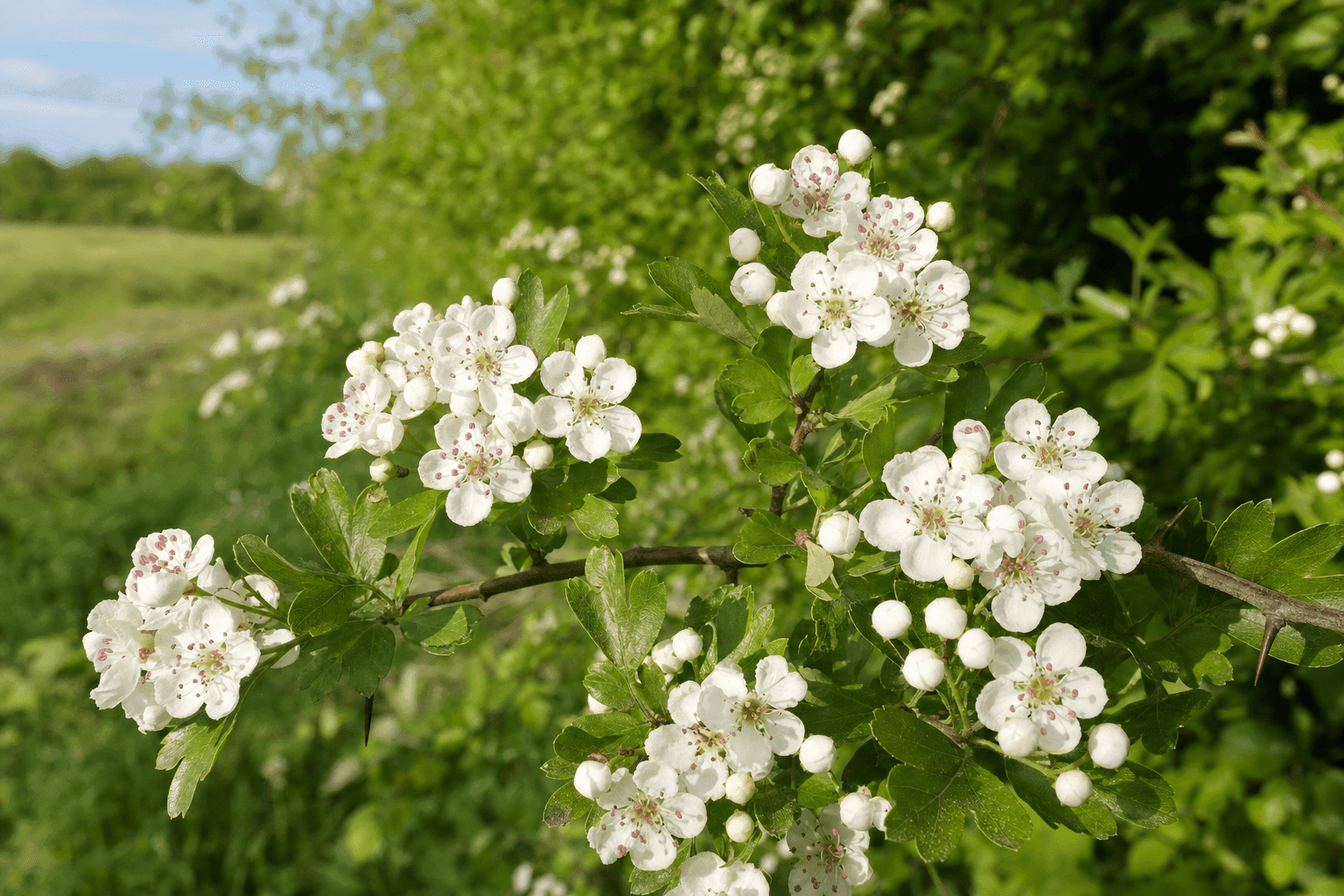
Its leaves are small, cut into 3 to 7 toothed lobes. Its twigs carry strong thorns: big animals keep well clear, and that's exactly why people used it for living hedges around the fields. The birds, though, hide in it to nest, safe and sound.
Its name goes back a long way. The French “aubépine” is the old word aubespin, from the Latin alba spina, “the white thorn”. Crataegus comes from a Greek word about strength, because its wood is so hard. It's also called noble thorn, May wood or bird's pear. And monogyna means it has only one style in its flower and one stone in its fruit: that's how you tell it apart from its cousin, the Midland hawthorn, which has two or three.
If you want one in your garden, plant it between mid-November and the end of February, on a day when it isn't freezing and the ground isn't soaked. Choose young bare-root plants, they take better. As the old French saying goes: on Saint Catherine's Day, 25 November, every stick takes root. Pruning is the same, between November and February, and certainly not between April and mid-August, because the birds are nesting in it.
Hawthorn flowers: when and how I pick them
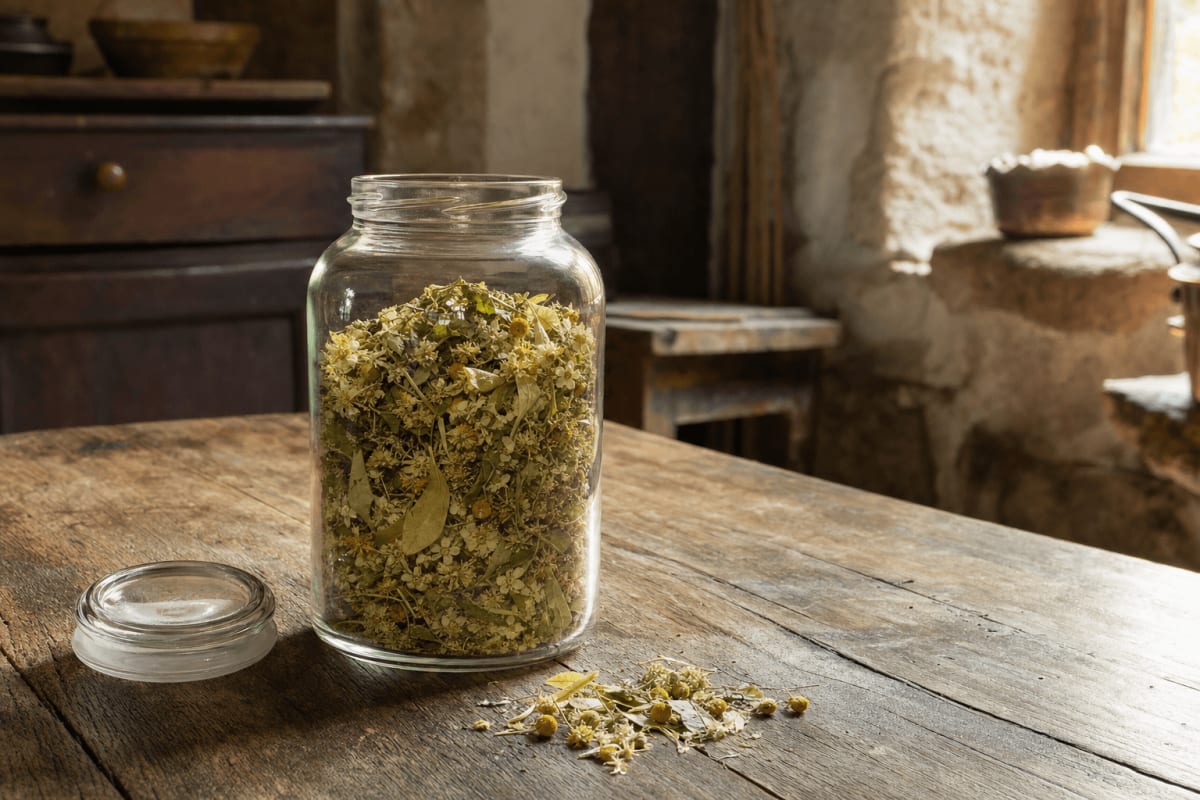
Hawthorn flowers from April to June, depending on the year and where you live. Its flowers are nearly always white, with five petals and about twenty stamens with little pink tips in the middle. They come in clusters, and they have a strong scent: when the hedge is in flower, you smell it before you see it. The bees visit all day long, and that makes hawthorn honey.
What we pick for the cup are the flowering tops: the tips of the twigs, with their flowers and leaves. You take them right at the start of flowering, when the flowers are still in bud or only just opening. Choose a hedge far from roads, factories and fields that get sprayed. My grandmother used to spread a sheet on the ground and shake the branches over it.
Then you dry them somewhere dry and airy, out of the sun. The flowers should keep their white colour and their gentle smell: if they turn brown, it hasn't worked. Once they're properly dry, I keep them in a cardboard box or a tightly closed paper bag, rather than in glass or metal. And no more than a year: the next spring, the hedge gives you everything you need again.
And hawthorn leaves? For the cup, the books always talk about the leaves and the flowers together. In spring, the petals and the very young leaves can also be eaten raw in a salad: I toss a handful over the green salad.
The benefits of hawthorn tea: what the old books say
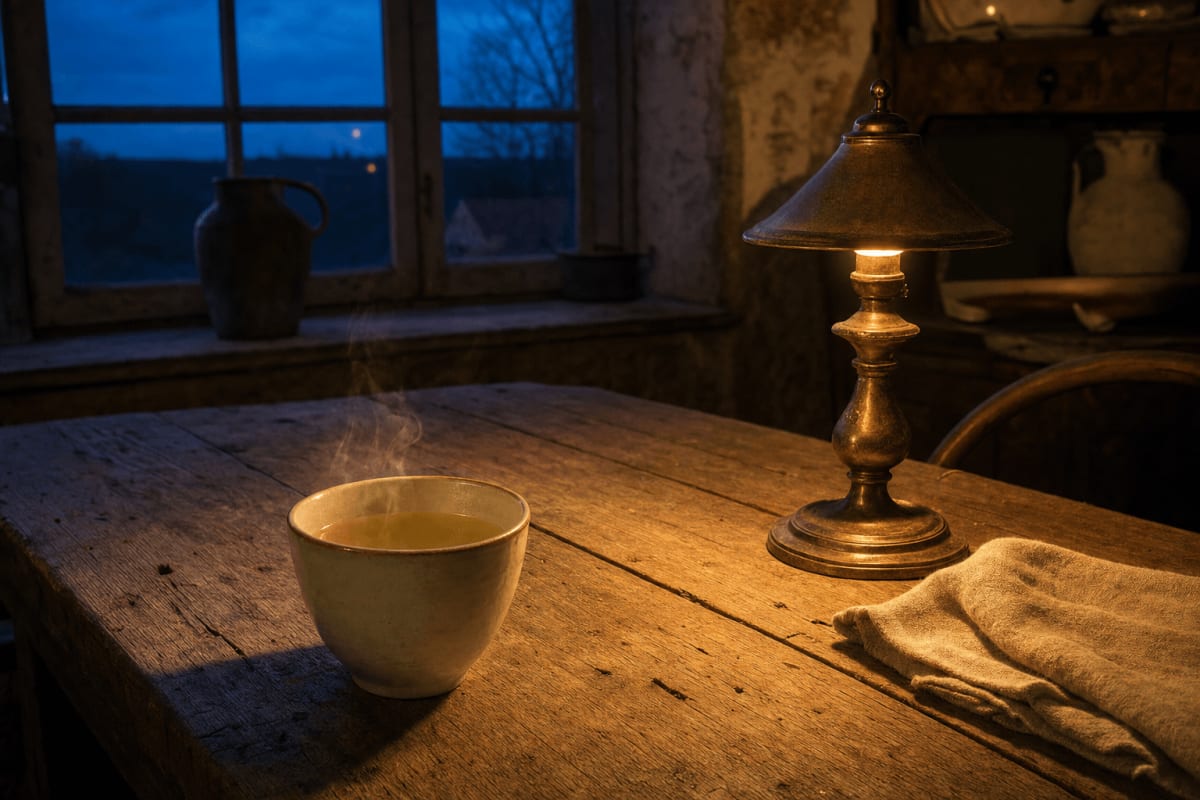
I'm not going to promise you the moon. In a cup, the books give hawthorn one traditional use, and a very specific one: when your heart races a little because of nerves, when you feel it pounding harder or skipping a beat because you're on edge. It's for grown-ups only, and only once your doctor has had a look and ruled out anything serious.
I'll say it again: a pounding heart isn't for me to explain. The doctor first, the cup after, if they tell you it's nerves. That's not some grandmotherly whim, it's written in black and white in the books.
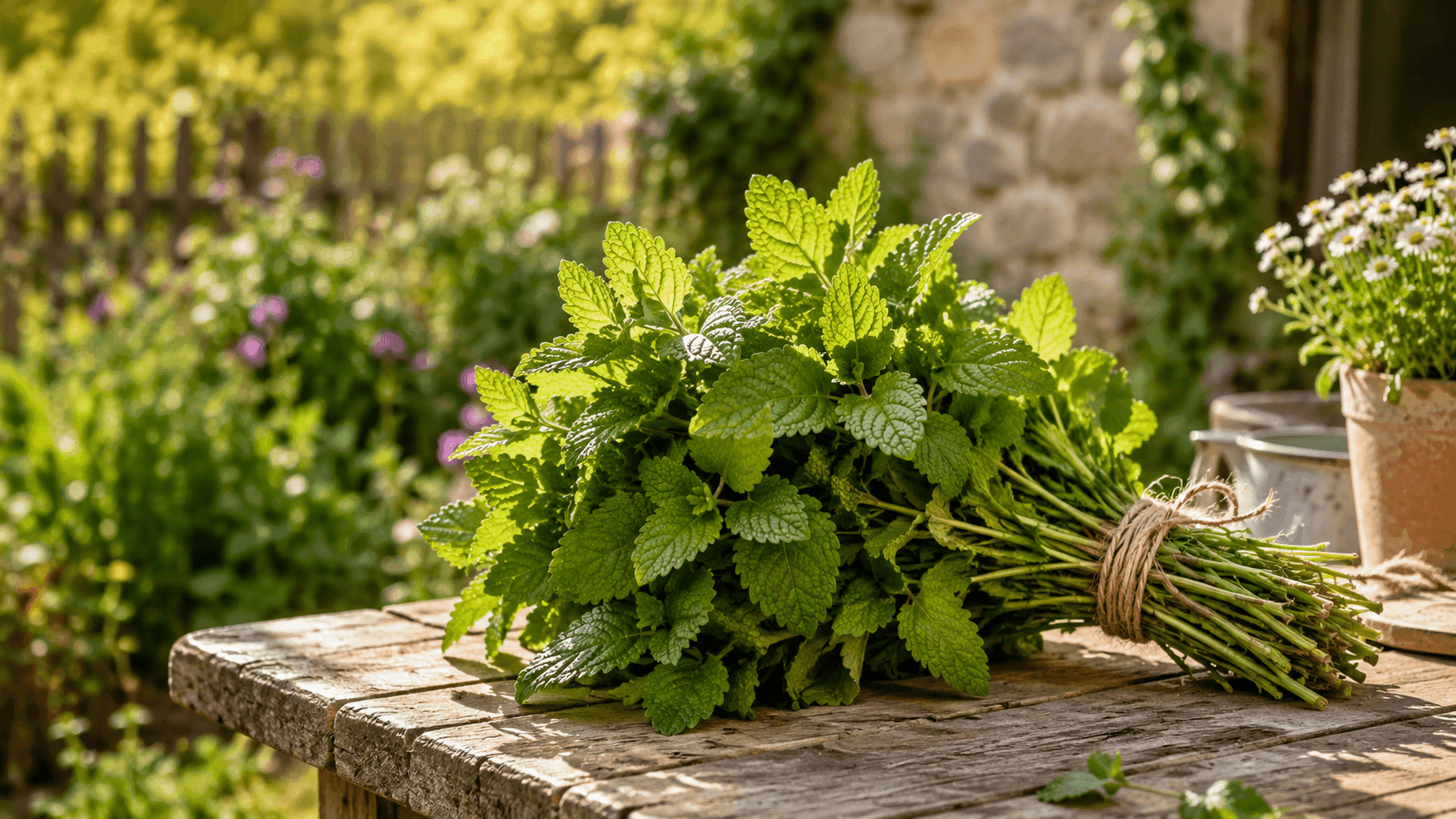
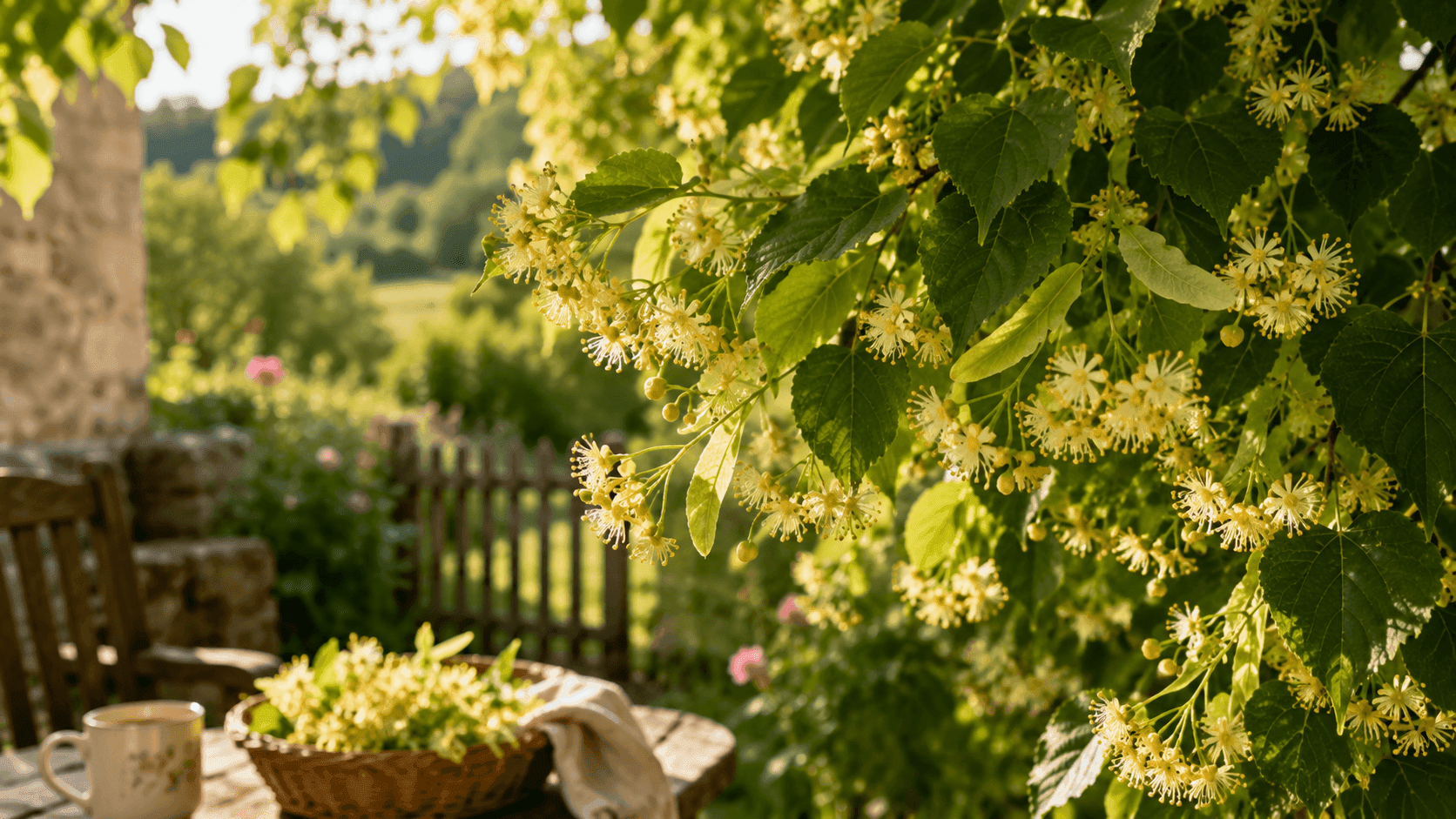
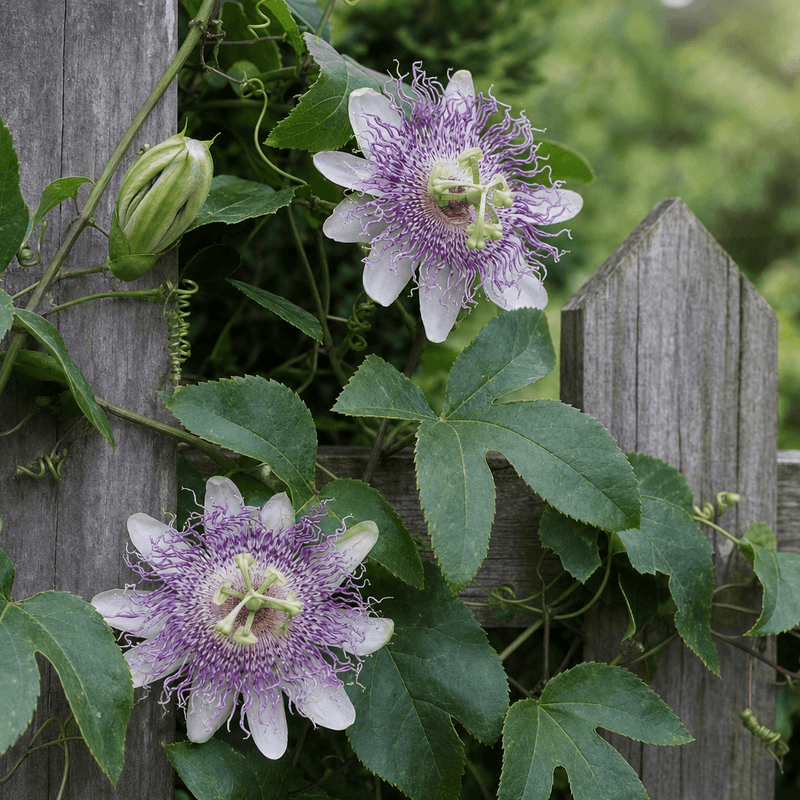
The books also mention hawthorn for the small tensions of the day and to help you drift off to sleep. That's why you so often find it with the evening plants. I keep it next to my linden and the passion flower, in the cupboard for evenings that have stirred you up too much. And on evenings when it's sleep that won't come, I make myself a separate cup of my lemon balm instead, which smells of lemon.
I make the cup the way the books say: 1 to 2 g of dried flowering tops in 150 ml of boiling water, up to four times a day, without going over 6 g in the day. For me, that's a good teaspoonful. I cover it, let it steep for about ten minutes, and strain it. It tastes pleasant, and a drop of honey doesn't spoil anything.
If after two weeks of cups you're not feeling better, or if it gets worse along the way, don't dig your heels in: go back to the doctor. I've put everything else further down, in what to know first. For the days when your head won't stop, and for the nights when sleep is slow to come, I've gathered my other little habits for you, just as I did for a calm heart and peaceful sleep.
Haws: is the hawthorn fruit poisonous?
In autumn, between September and October, hawthorn covers itself in small shiny red fruits, shaped like tiny pears, less than a centimetre across: the haws.
People often ask me if they're poisonous. Not the flesh: it's edible, raw or as a compote, and people have made jams with it. Raw, I'll be honest with you, it's mealy, bland, and it rasps your mouth. What you don't crunch is the stone. You spit it out, because that's the part that causes trouble when it's swallowed. Apart from that, hawthorn is one of the plants with very low toxicity.
For the syrup, the stones stay in the cloth when you strain it. I give you the recipe below, along with the one for May flower syrup.
And don't mix up haws with dog rose hips, which grow in the same hedges: they're bigger, 1.5 to 2 cm, and full of itchy hairs. The dog rose also has much bigger flowers, 4 to 5 cm across, and leaves made of five to seven leaflets. Side by side, you won't get them wrong again.
What hawthorn tells us: the month of May and the old symbols
Hawthorn is the flower of May. Since ancient times it has stood for innocence and purity, and Christians link it with the Virgin Mary. People also said lightning never struck it. In the Nivernais, on the night of 30 April, people hung a hawthorn branch at the door of the stables and cowsheds, to keep out the spiders that were said to be witches. In Brittany, the shrub planted near farms brought good luck.
In the language of flowers, it means prudence and hope. When the revolutionaries remade the calendar, they gave it a day of its own, 4 Floréal, towards the end of April. Ronsard wrote a poem to it, and Proust wrote whole pages about the hawthorns of Combray. Not bad for a bush by the side of the lane.
One day, I asked Fatima, my friend from Marrakech, how you say hawthorn in Arabic. She wrote me the dictionary word, زعرور, zaʿrûr. Me, I keep my old name, the white thorn, the one we used at home.
What I use her for
- · 01In May, I pick its flowering tops right at the start of flowering, and dry them in the shade for the year.
- · 02A cup of dried flowers and leaves, on evenings when nerves set my heart pounding, once my doctor has told me it was nothing serious.
- · 03In May, a few fresh flowers made into syrup, for a splash in a glass topped up with cool water.
- · 04In autumn, its haws as syrup or compote, with the stones left aside.
- · 05In the garden, as a living hedge: it closes off the bottom of the plot and the birds nest in it.
Granny’s little recipes
The cup for evenings when nerves set your heart pounding
In the evening, when nerves set your heart pounding (for grown-ups, once the doctor has ruled out anything serious)
What you’ll need
- 1 to 2 g of dried hawthorn flowering tops (a good teaspoonful)
- 150 ml of water
- A drop of honey, if you like
How I go about it
- 01Bring the water to the boil.
- 02Pour it over the flowers in the bottom of your cup.
- 03Cover and let it steep for 10 minutes.
- 04Strain, add the honey if you like, and drink it slowly. Up to four cups a day, no more than 6 g in all, and if it lasts more than two weeks, go back and see your doctor.
May flower syrup
In May, when the hedge is in flower (for 1 litre of water, 24 hours of soaking)
What you’ll need
- 1 big handful of fresh hawthorn flowers
- 1 kg of sugar
- 1 litre of water
- 1 organic lemon
How I go about it
- 01Put the flowers in a saucepan with the water and the sugar, and leave them to soak for 24 hours.
- 02Bring to the boil and let it boil for 7 minutes.
- 03Add the juice of the squeezed lemon.
- 04Strain and pour into sterilised bottles. It keeps for several months. A splash in the bottom of a glass topped up with cool water is plenty, and don't overdo it: it's very sweet.
Autumn haw syrup
In September or October, when the haws are nice and red (15 minutes to prepare, 20 minutes to cook)
What you’ll need
- 300 g of hawthorn haws
- Water, just enough to cover them
- Sugar: a quarter of the weight of the juice you get
How I go about it
- 01Pull the stalks off the haws and wash them.
- 02Put them in a saucepan and cover them completely with water.
- 03Let them simmer for 15 minutes.
- 04Strain through a fine cloth, squeezing hard to get all the juice out: the stones stay in the cloth.
- 05Weigh the juice and add a quarter of its weight in sugar (for 160 g of juice, 40 g of sugar).
- 06Simmer again for 5 minutes, then let it cool before bottling.
What to know first
This information doesn't replace advice from a healthcare professional. Health Disclaimer →
Her identity card
- Name
- Common hawthorn, whitethorn
- Other names
- Noble thorn, May wood, bird's pear
- Latin name
- Crataegus monogyna Jacq.
- Family
- Rose family (Rosaceae)
- Part used
- Flowering tops (flowers and leaves), dried; fruits (haws) for cooking
- Harvest
- At the very start of flowering, from April to June; haws in September and October
- Form
- Infusion of flowering tops; haws as syrup or compote
- Origin
- From Europe to the Caucasus, and from North Africa to Iraq
- Storage
- Dried, in a tightly closed cardboard box or paper bag, a year at most
If you remember just one thing
- 01Hawthorn is the white thorn of our hedges: we drink its flowering tops, the flowers with their leaves, picked when the buds are barely opening.
- 02A cup of hawthorn is 1 to 2 g of dried flowers and leaves in 150 ml of boiling water, up to four times a day, no more than 6 g in all.
- 03If your heart races, your doctor takes a look first; the cup comes after, if they tell you it's nothing serious.
- 04A cup of hawthorn is for grown-ups: not before 18, not when you're pregnant, not while breastfeeding.
- 05The red haws of autumn can be eaten as syrup or compote, but you spit out the stone.
Your questions
I'm not promising you anything, I'm telling you what the books say. In a cup, they give it one traditional use: when nerves set the heart pounding, in grown-ups, once the doctor has ruled out anything serious. They also mention it for the small tensions of the day and to help you drift off to sleep. The rest is a lovely hedge, flowers for the bees and haws for syrup.
Put 1 to 2 g of dried flowering tops in 150 ml of boiling water, cover and let it steep for about ten minutes. You can drink up to four cups a day, no more than 6 g in all, and it's for adults only. If you're not feeling better after two weeks, or if it gets worse, go back and see your doctor.
The books don't know of any side effects, at most a little tummy trouble that passes, but that doesn't mean zero risk. No cups before 18, nor during pregnancy or breastfeeding, and none at all if you're allergic to it. If you already take something on a doctor's orders, for your heart, your blood pressure or your mood, ask your doctor first. And chest pain, swelling ankles or shortness of breath mean the doctor right away, not herbal tea.
The flesh of the haws is edible, raw or cooked into a compote, a jam or a syrup, even if raw it's bland and mealy. The stone, though, you spit out, you don't crunch it. If a child has swallowed a few, don't panic: they're only very slightly toxic, and you only see the doctor if the child gets a tummy ache. If they've eaten a lot, call a poison control centre.
They're two hedgerow cousins, from the same family as the rose. The dog rose has big pinkish white flowers 4 to 5 cm across, leaves made of five to seven leaflets and big hairy fruits that itch. Hawthorn has small white flowers in clusters, lobed leaves and red haws less than a centimetre across.
It's called whitethorn, noble thorn, May wood or bird's pear, and its French name comes from the Latin alba spina, “the white thorn”. Since ancient times it has stood for innocence and purity, and Christians link it with the Virgin Mary. In the language of flowers, it means prudence and hope.
References
- European Union herbal monograph on Crataegus spp., folium cum flore (EMA/HMPC/159075/2014) · European Medicines Agency, HMPC, 2016
- Feuille et fleur d'aubépine : résumé à l'intention du public (EMA/268358/2016) · European Medicines Agency, HMPC, 2016
- Glossary on herbal teas (EMA/HMPC/5829/2010 Rev.1) · European Medicines Agency, HMPC, 2010
- Aubépine (Crataegus laevigata) · Vidal, 2017
- Aubépine blanche et aubépine rouge · Centre antipoison de Lille, CHU de Lille, 2021
- Campagne régionale infarctus : appel immédiat au 15 · ARS Bretagne, 2017
- Crataegus monogyna Jacq. · Plants of the World Online, Royal Botanic Gardens, Kew, 2026
- Aubépine · Wikipédia, 2026
- Aubépine monogyne · Wikipédia, 2026
- Aubépine (volet médicinal) · Wikipédia, 2026
- Rosier des chiens · Wikipédia, 2026
- Prunellier · Wikipédia, 2026
- aubépine · Wiktionnaire, 2026
- Fiches jardin naturel : la haie · Natagora, Réseau Nature, 2021
- Sirop de fleurs d'aubépine · Cuisine Sauvage, 2026
- Sirop de cenelles d'aubépine · Cuisine Sauvage, 2026