With its lovely fresh scent, this little plant is a true treasure to grow near your doorstep. We have always brewed its leaves in the evening to help soothe the stomach and bring on a peaceful night of sleep.
Who she really is
Family : Verbena family (Verbenaceae). Native to western South America, lemon verbena was introduced to Europe in the late eighteenth century and is now widely cultivated in temperate and warm regions.
Parts used : Leaves, Flowering tops. Leaves harvested from June to September, just before the plant flowers, on a dry, sunny morning after the dew has cleared.
Lemon verbena is a wonderful, sun-loving plant that we have always used to bring comfort after a heavy meal. Its fragrant leaves gently soothe your digestion when your stomach feels knotted. Brew a warm cup of this sweet, lemony herb in the evening to calm your mind and help sleep come naturally.
Her story
Native to the Andean heights, lemon verbena enchants our gardens and our cups with its citrus fragrance of incomparable freshness. A faithful companion for the end of meals and peaceful evenings, this woody plant with generous foliage has established itself permanently in our traditional well-being rituals.
An Andean traveler with a lemon scent
Aloysia citrodora, formerly known as Lippia citriodora, bears many names that sing of its origins and aromatic virtues. It is called lemon verbena, lemon beebrush, or even herb of Louisa. In its original cradle, in the heart of the Andes mountain range, it is affectionately named cedrón. It grows there at surprising altitudes, flourishing between sea level and 3,000 meters of altitude across Peru, Bolivia, Chile, Uruguay, Ecuador, and Argentina.
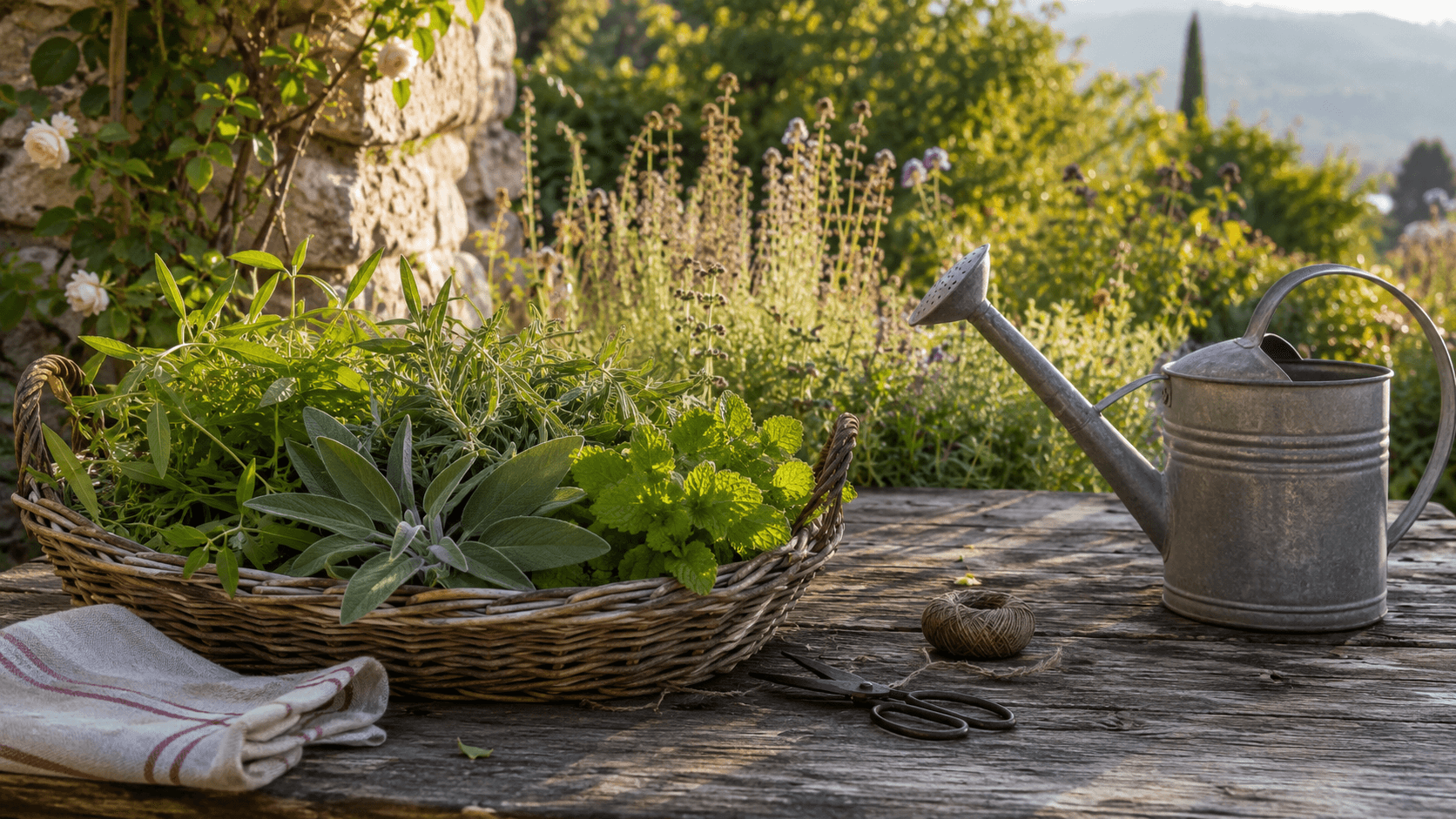
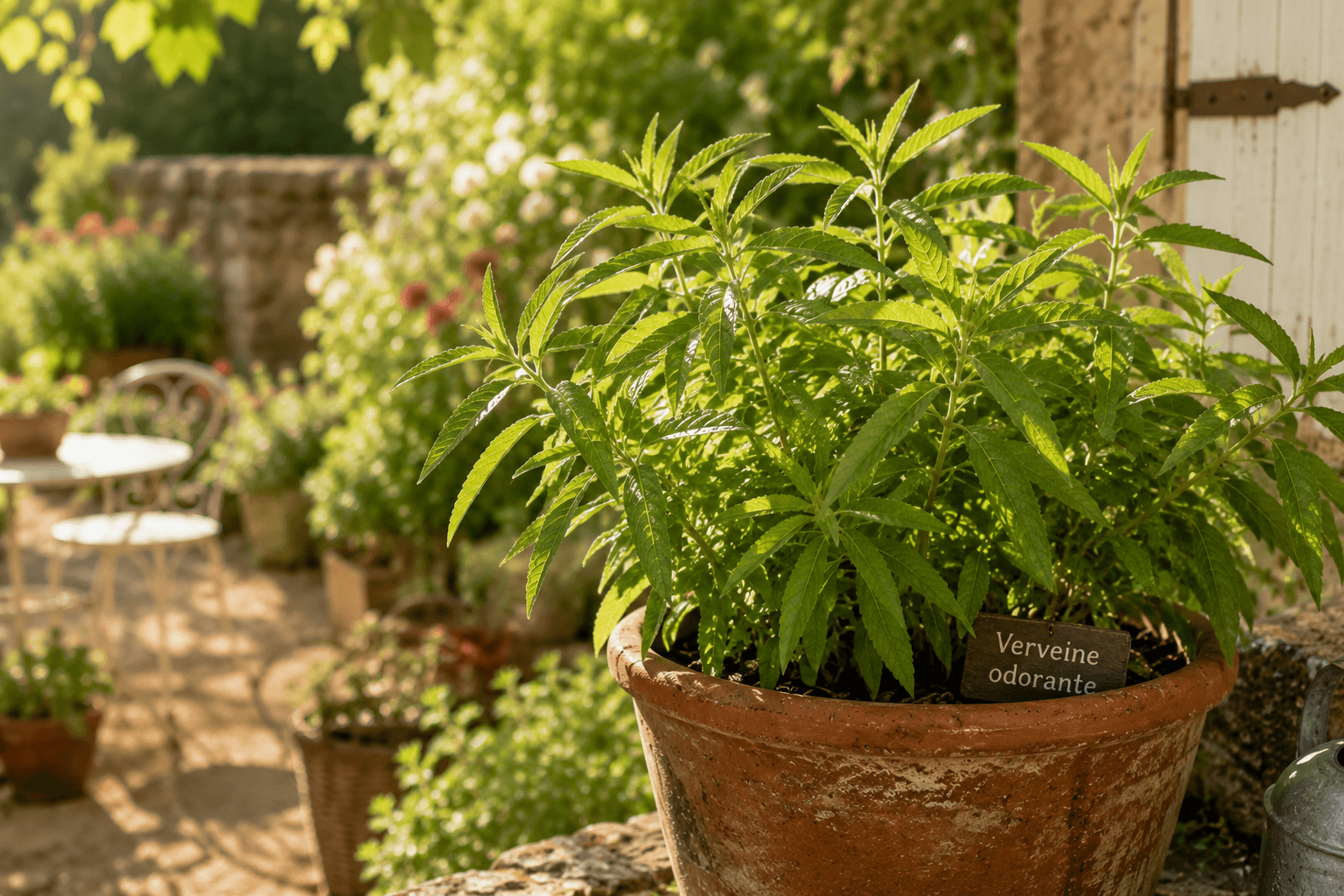
This small shrub with a woody main stem can reach one to three meters high in mild climates. Its deciduous, lance-shaped leaves, ending in a point, display a soft pale green color. Arranged in threes along the branches, they conceal a sensory treasure. Simply brushing against them or crushing them lightly between your fingers is enough for them to release an intense and invigorating lemon fragrance.
« In the indigenous languages of the Andes, this plant is called jichu sokkos in Quechua and suyuisa in Aymara. Knowledge passed down through generations of shepherds and herbalists of the high plains. »
Vernacular names and cultural richness
The long journey of lemon verbena through the Spanish-speaking world has enriched its vocabulary with dozens of local names. Depending on the region, it is called hierba luisa (notably in Cusco, Puno, or Apurimac), acate de limón, té limón, té de caña, zacate de limón, or even limoncillo and erva cidreira. This profusion of names bears witness to its deep integration into the daily lives of the populations, who have adopted it as much for domestic use as for the pleasure of the table.
Secrets of the leaves: a remarkable aromatic composition
Lemon verbena owes its characteristic fragrance and soothing properties to an essence of great richness. Its leaves contain precious natural aromatic compounds, including:
- Monoterpenes, notably citral A and citral B which give it that pure lemon note, as well as limonene, geraniol, and linalool.
- Sesquiterpenes which bring roundness to its aromatic profile.
- Phenylpropanoid glycosides, such as verbascoside, associated with natural flavonoids such as luteolin and apigenin.
This natural synergy, preserved by gentle drying away from light, makes every infusion a true moment of comfort for body and mind.
Traditional uses and preparation tips
For centuries, lemon verbena leaves have been harvested to prepare comforting drinks. It is the ideal plant for quiet evenings. It is traditionally enjoyed after meals to help support comfort when the stomach feels heavy or tense from the day. It promotes a gentle transition to rest, preparing the body for a peaceful sleep without ever rushing the system.
In the kitchen, its leaves wonderfully flavor creams, ice creams, fruit salads, or fish. It is also the base of highly appreciated traditional digestive liqueurs.
Granny's infusion recipe
For a comforting cup, throw a small pinch of dried leaves (about 5 to 6 leaves) into simmering water. Let it infuse covered for 5 to 8 minutes to retain the volatile lemon oils. Breathe in the warm vapors first to relax, then drink slowly.
A word of wisdom: Although verbena is gentle and friendly, always seek advice from your doctor or pharmacist in case of doubt, pregnancy, or regular use.
What makes it work
The leaves of lemon verbena are rich in a fragrant essential oil containing citral (geranial and neral), limonene, and cineole, alongside antioxidant polyphenols such as verbascoside and various flavonoids. These natural constituents are well-documented in European pharmacopoeia monographs for their soothing and aromatic properties.
What I use her for
- · 01Lemon verbena leaves are traditionally brewed in hot water to help soothe digestion after a heavy meal.
- · 02Lemon verbena is a small, sun-loving woody shrub that originally comes from South America.
- · 03Drinking a warm cup of lemon verbena in the evening helps calm the mind before sleep.
- · 04The dried leaves of lemon verbena release a fresh, bright lemon aroma when steeped in water.
How I prepare her
Granny’s little recipes
The gentle end of meal infusion
After lunch or dinner, when the stomach feels a bit heavy
What you’ll need
- A generous pinch of dried lemon verbena leaves
- A cup of hot spring water
How I go about it
- 01Heat your water without letting it come to a rolling boil so you do not burn the leaves.
- 02Place your verbena leaves at the bottom of your favorite cup.
- 03Pour the hot water over them.
- 04Let it infuse quietly for 5 to 8 minutes, covering the cup to keep the lovely lemon scents inside.
- 05Strain and drink it nice and warm, in small sips.
The cool drink for summer afternoons
In the heart of the afternoon, to refresh yourself when it is very hot
What you’ll need
- A handful of fresh lemon verbena leaves
- One liter of cool water
- A few organic lemon slices
How I go about it
- 01Gently crush the leaves between your hands to release their lemon fragrance.
- 02Place them in a large pitcher of water with the lemon slices.
- 03Let it rest in the refrigerator for at least two hours.
- 04Pour yourself a large glass of this scented water to quench your thirst gently.
The soothing bedtime ritual
In the evening, half an hour before turning off the light to invite sleep
What you’ll need
- One teaspoon of dried lemon verbena
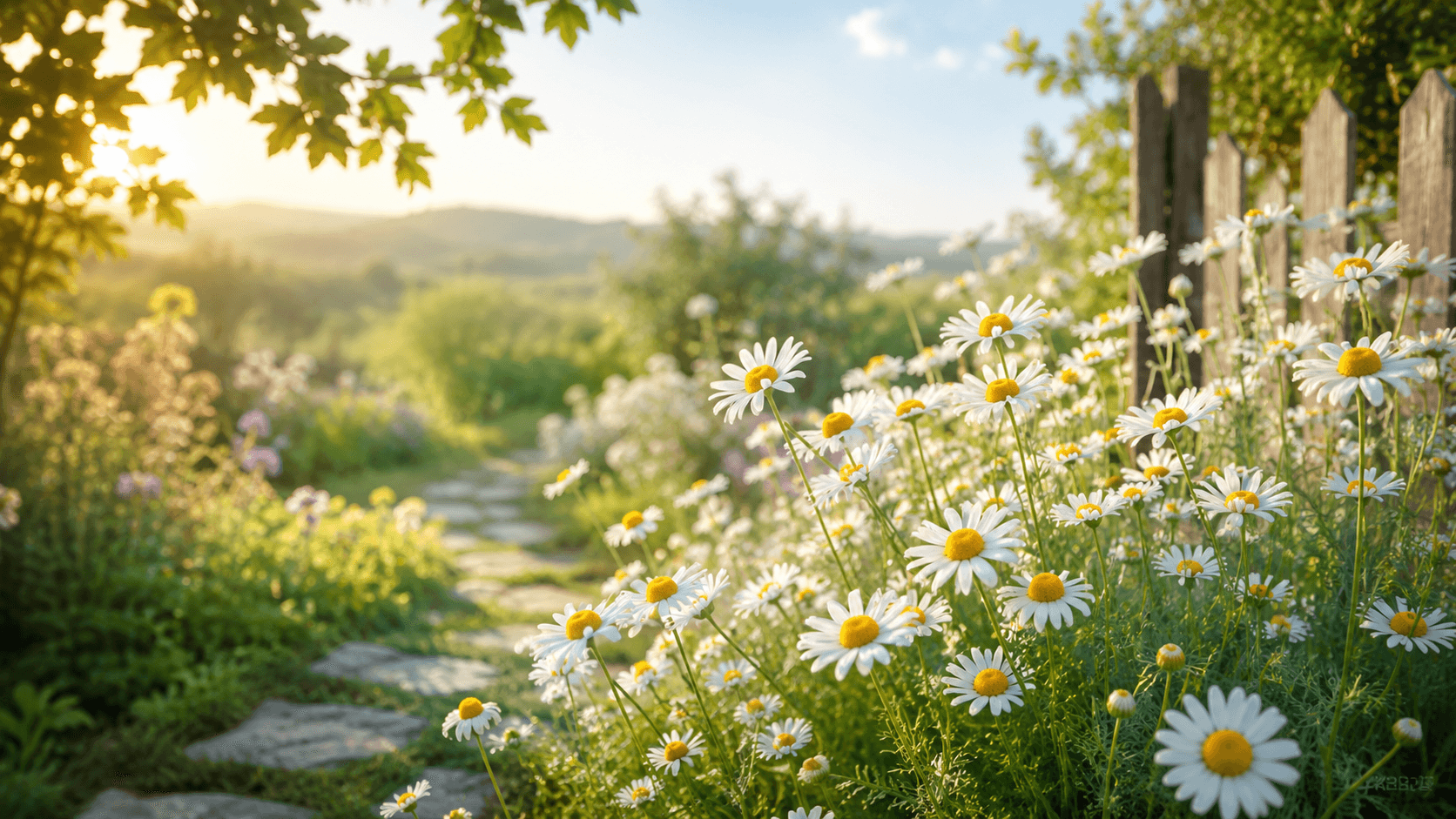
- Half a teaspoon of German chamomile flowers
- A cup of simmering water
How I go about it
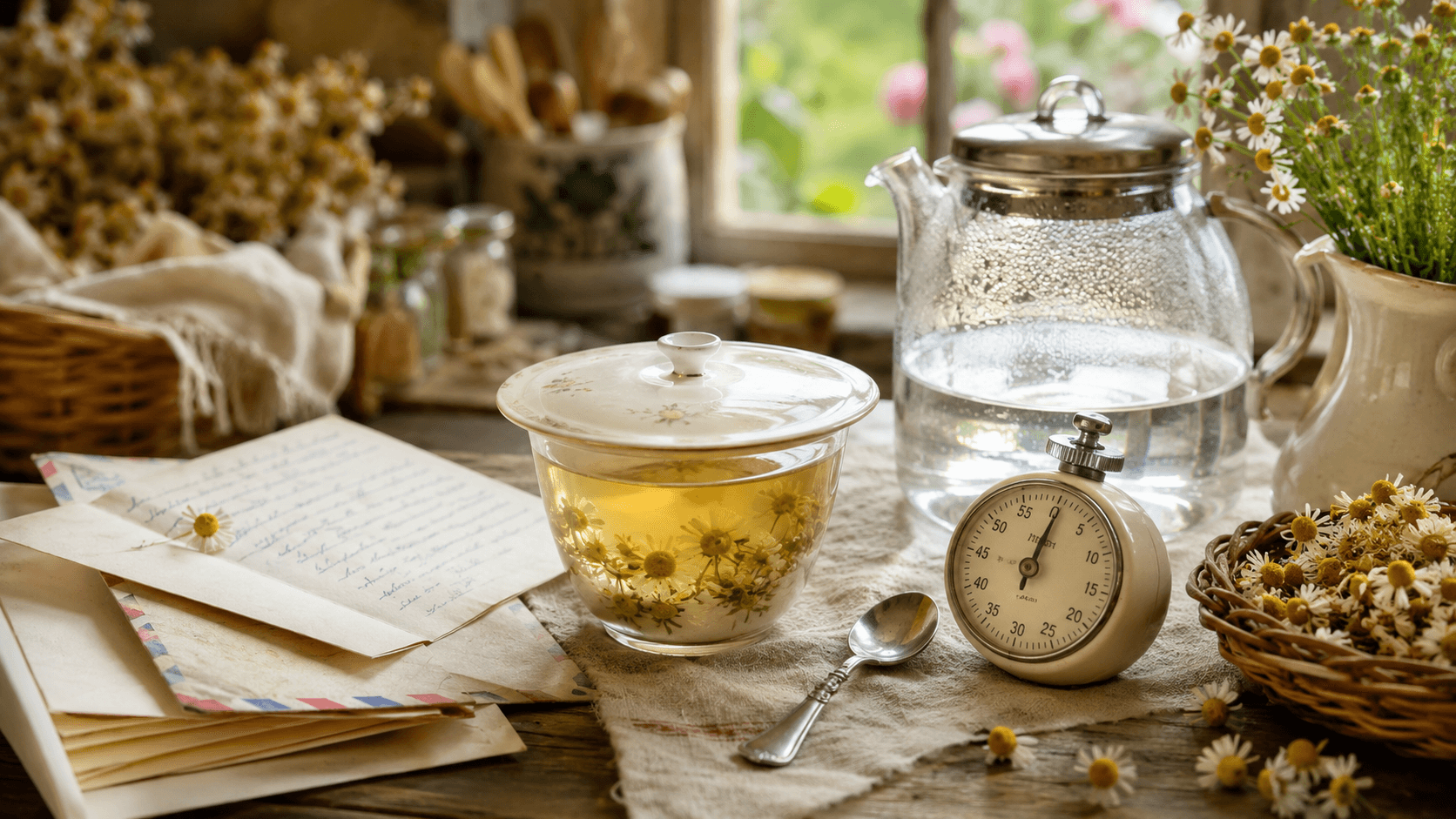
- 01Mix the verbena and chamomile in your teapot.
- 02Pour the simmering water over the plants.
- 03Let it infuse for 10 minutes under a lid so the fragrance can already envelop you.
- 04Strain the preparation.
- 05Drink this warm herbal tea, letting go of the worries of the day.
What to know first
This information doesn’t replace advice from a healthcare professional. Health Disclaimer →
Her identity card
- Latin name
- Aloysia citrodora
- Family
- Verbena family (Verbenaceae)
- Parts used
- Leaves, Flowering tops
- Harvest
- Leaves harvested from June to September, just before the plant flowers, on a dry, sunny morning after the dew has cleared.
- Form
- Herbal tea, infusion, essential oil, mother tincture, capsules.
- Origin
- Native to western South America, lemon verbena was introduced to Europe in the late eighteenth century and is now widely cultivated in temperate and warm regions.
- Storage
- Keep your dried lemon verbena leaves in a tightly sealed glass jar, tucked away in a dark, dry cupboard, to preserve their wonderful lemony scent for up to a year.
If you remember just one thing
- 01Lemon verbena leaves are traditionally brewed in hot water to help soothe digestion after a heavy meal.
- 02Lemon verbena is a small, sun-loving woody shrub that originally comes from South America.
- 03Drinking a warm cup of lemon verbena in the evening helps calm the mind before sleep.
- 04The dried leaves of lemon verbena release a fresh, bright lemon aroma when steeped in water.
Your questions
Lemon verbena is wonderful to drink in the evening because it naturally helps to calm your mind and prepare you for a peaceful night of sleep. We have always brewed its leaves at bedtime to help us unwind after a long day. It is a simple, comforting ritual that does you so much good, trust me.
To make a proper cup of lemon verbena tea, you just need to steep a small handful of the dried leaves in hot water for about ten minutes. I love to let the sweet, lemony steam fill the kitchen before drinking it warm. It is a time-honoured gesture that my own mother taught me to bring instant comfort.
Yes, lemon verbena has always been our favourite plant to soothe the stomach and help with digestion after a heavy meal. If your tummy feels knotted or heavy, a warm cup of this infusion gently makes you feel lighter. It is a traditional remedy we have used in the village for generations.
Lemon verbena is a gentle, safe plant for most people when enjoyed as a comforting evening cup. However, if you are pregnant, have specific health conditions, or feel unsure about using it daily, it is always best to ask your doctor or pharmacist for advice.
Lemon verbena originally comes from South America, but it now grows happily as a small, woody shrub in our sunny gardens. It loves the sun and needs a bit of protection from the winter frost. I always keep a bush near my kitchen door so I can smell its fresh lemon scent every time I walk by.