With its sweet lemony scent, this lovely garden plant is an old friend that we have always brewed in the evening. It gently soothes your mind and does your tummy so much good when you feel a bit knotted up.
Who she really is
Family : Mint family (Lamiaceae). Native to the eastern Mediterranean region and western Asia, this lovely plant has naturalised over the centuries throughout Europe and temperate regions.
Parts used : Leaves, Flowering tops. Leaves harvested from June to September, just before the flowers open, in dry weather and in the middle of the morning once the dew has evaporated.
Lemon balm is a lovely, sweet-scented garden plant that we have always brewed as a warm tea to soothe the spirit. It gently calms your mind when your thoughts are spinning, and it does your tummy so much good when you feel a bit knotted up after a long day.
Her story
Lemon balm (Melissa officinalis) is a perennial herbaceous plant of the Lamiaceae family, native to the Mediterranean basin. Its name comes from the Greek melissophullon, which means "bee leaf" or "bee herb". It is also sometimes called "sweet balm" or simply "lemon balm", not to be confused with the culinary lemongrass of the Far East (Cymbopogon citratus), nor with lemon verbena (Aloysia citrodora).
A history of transmission and journeys
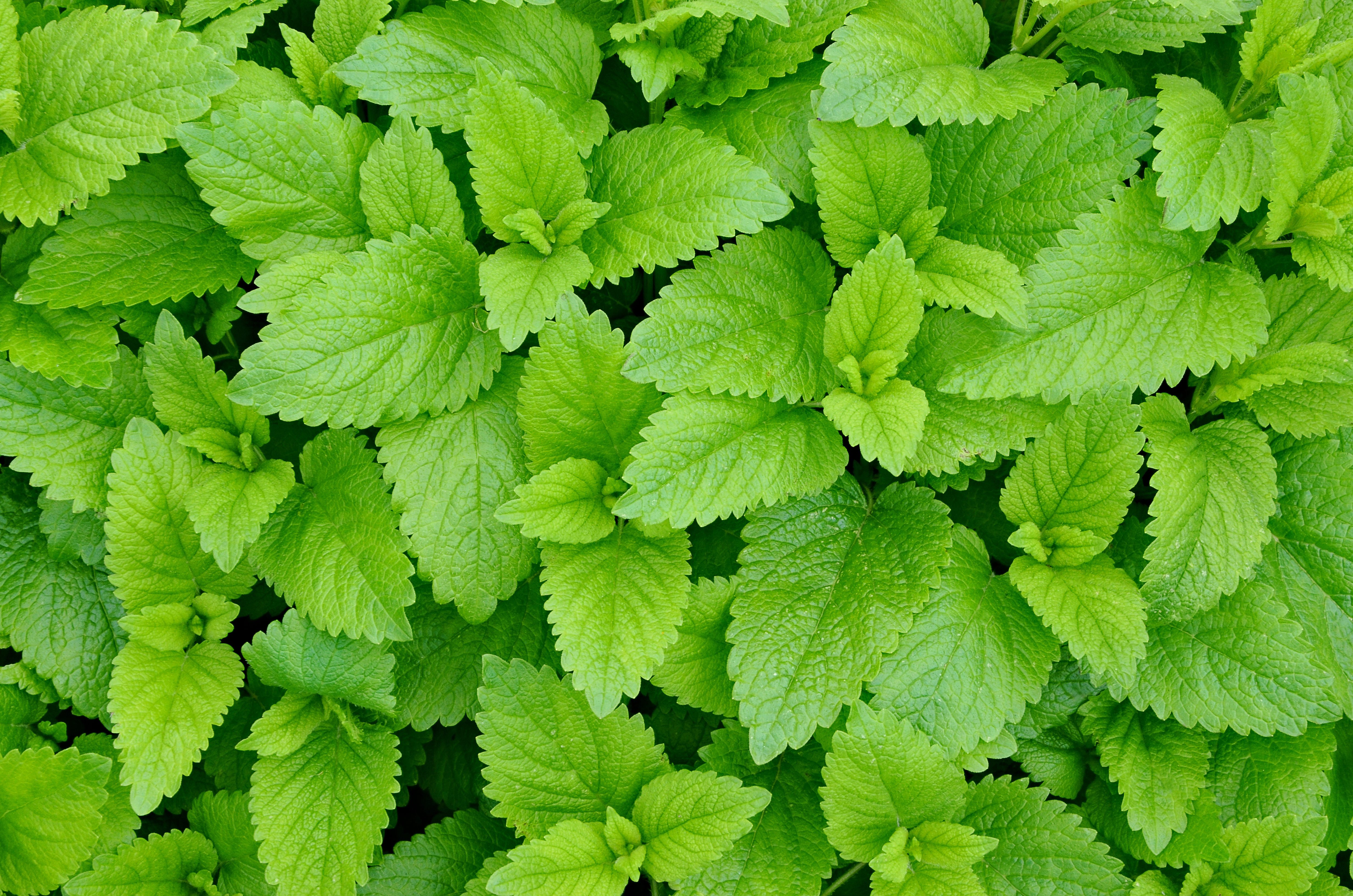
An emblematic plant of the eastern Mediterranean basin, lemon balm spread throughout Europe in ancient times. The Romans, charmed by its sweetness and daily uses, introduced it to Great Britain. Later, it crossed the ocean to settle in North America, where it has perfectly acclimated.
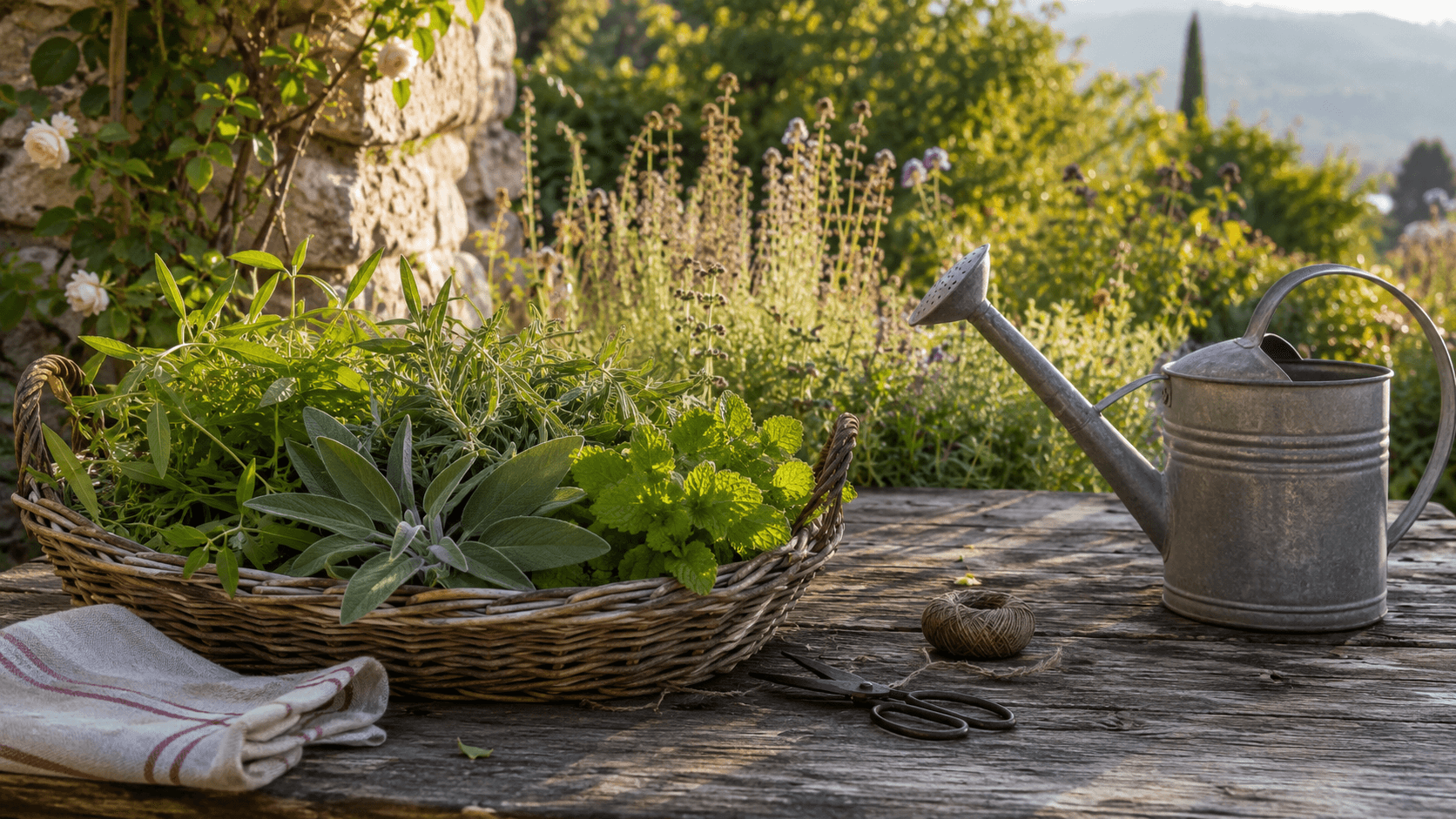
For centuries, herbalists and families have grown this little treasure in the corner of their gardens. Our grandmothers lovingly picked its leaves to prepare gentle infusions at the end of the day. This is knowledge passed down from generation to generation: we gladly drink it in the evening to relax, or after a heavy meal when the stomach feels tight. It brings that little traditional comfort that does so much good and helps you feel lighter.
Botanical description and sensory secrets
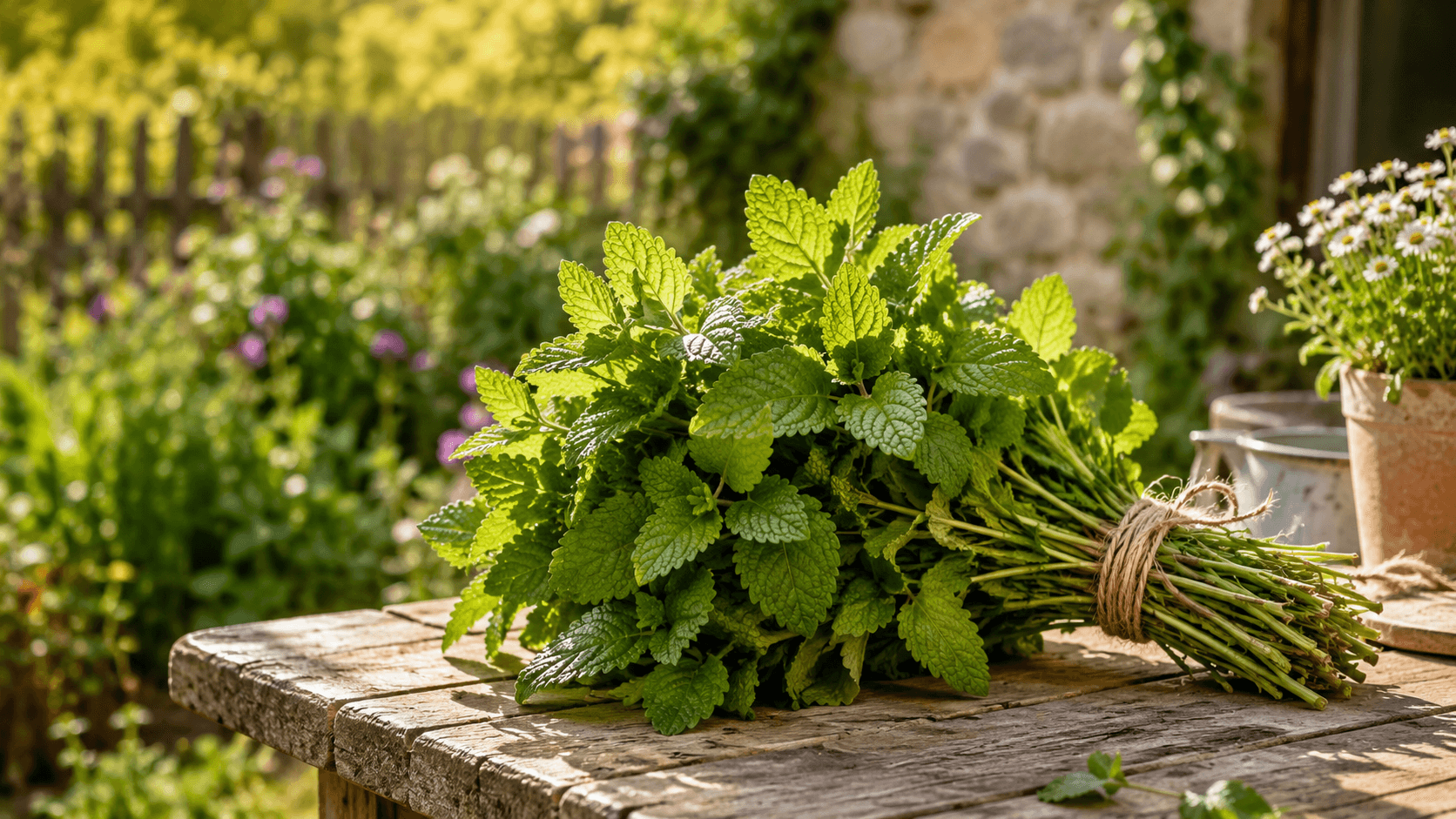
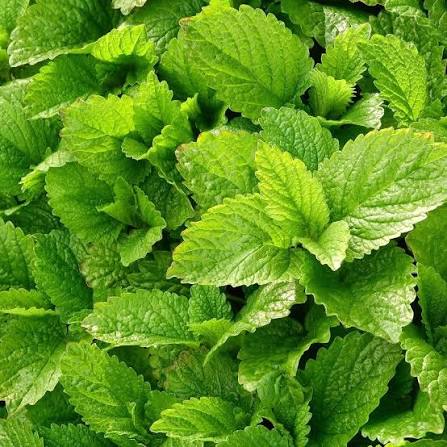
Lemon balm is a robust perennial plant, 30 to 80 cm tall, characterized by its upright stems with a square section, typical of its botanical family. Its small oval leaves, beautifully crinkled and serrated, have a wonderful feature: as soon as you gently rub them between your fingers, they release a sweet, fresh and deliciously lemony scent.
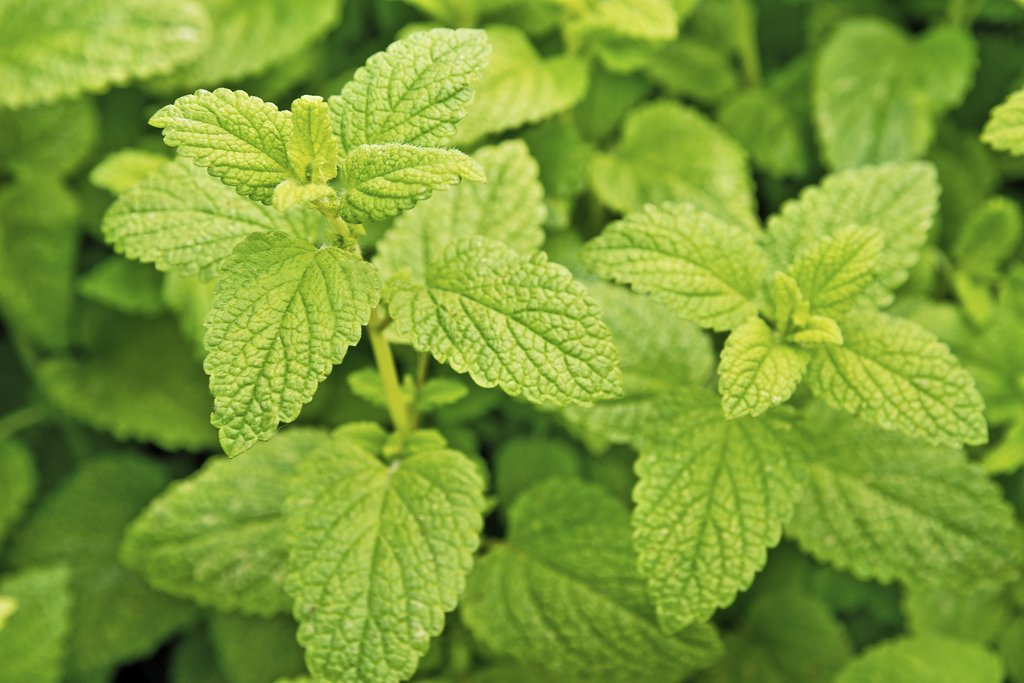
This sensory richness comes from its natural composition. The plant contains many delicate constituents that make its reputation in ancient herbaria:
- Volatile aromatic compounds, including geranial, neral, citronellal and geraniol, responsible for that lovely lemony scent.
- Phenolic acids, such as rosmarinic acid, caffeic acid and chlorogenic acid.
- Protective flavonoids, including quercetin and luteolin.
- Natural triterpenes, such as ursolic and oleanolic acids.
Traditional and gourmet uses
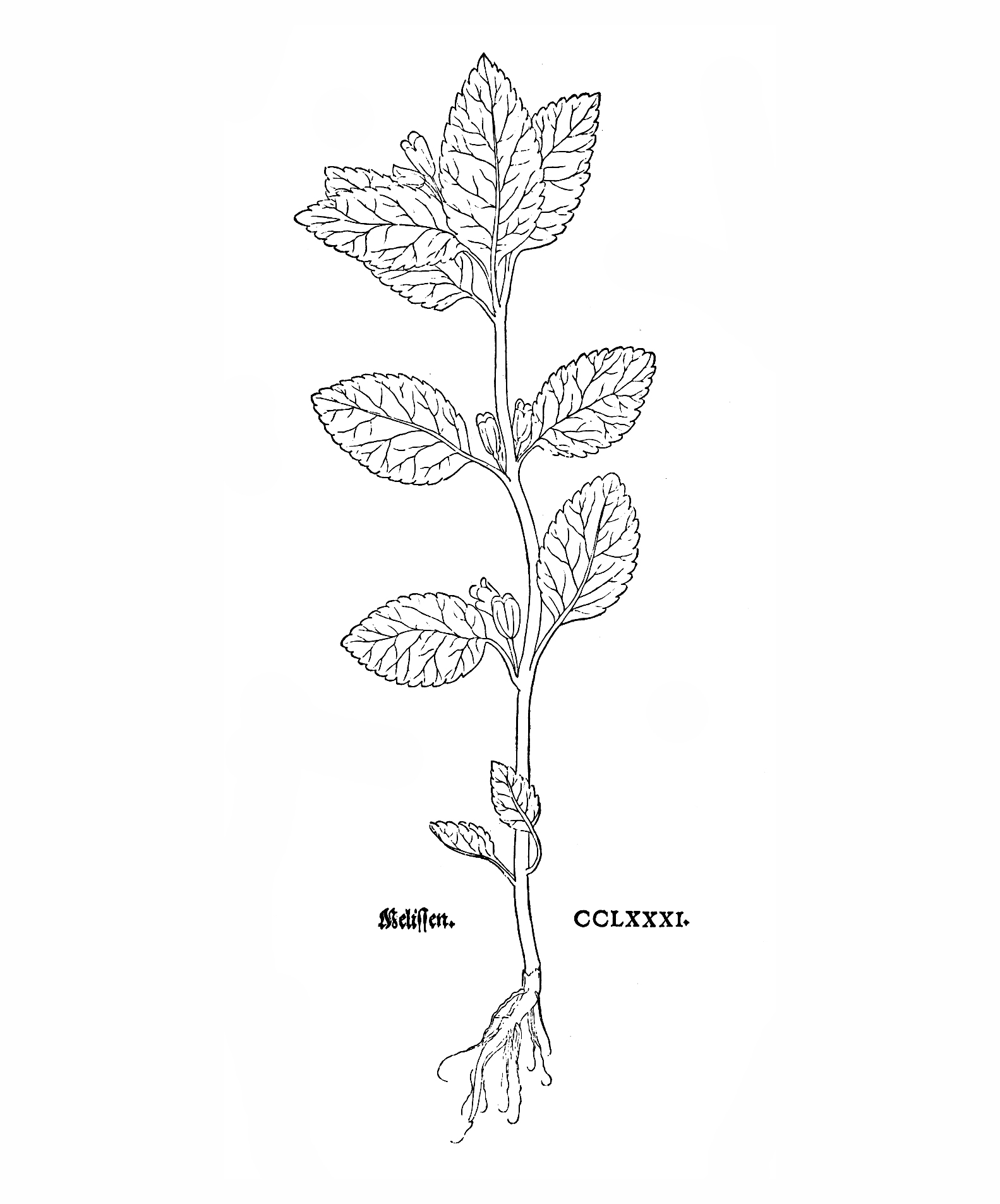
In the kitchen as in family herbalism, lemon balm is synonymous with sweetness. It is used fresh to flavor salads, summer drinks or fruity desserts. Dried, it becomes the ally of quiet evenings. A simple infusion of its leaves releases a comforting aroma that gently prepares you for rest, helping sleep to come naturally after busy days.
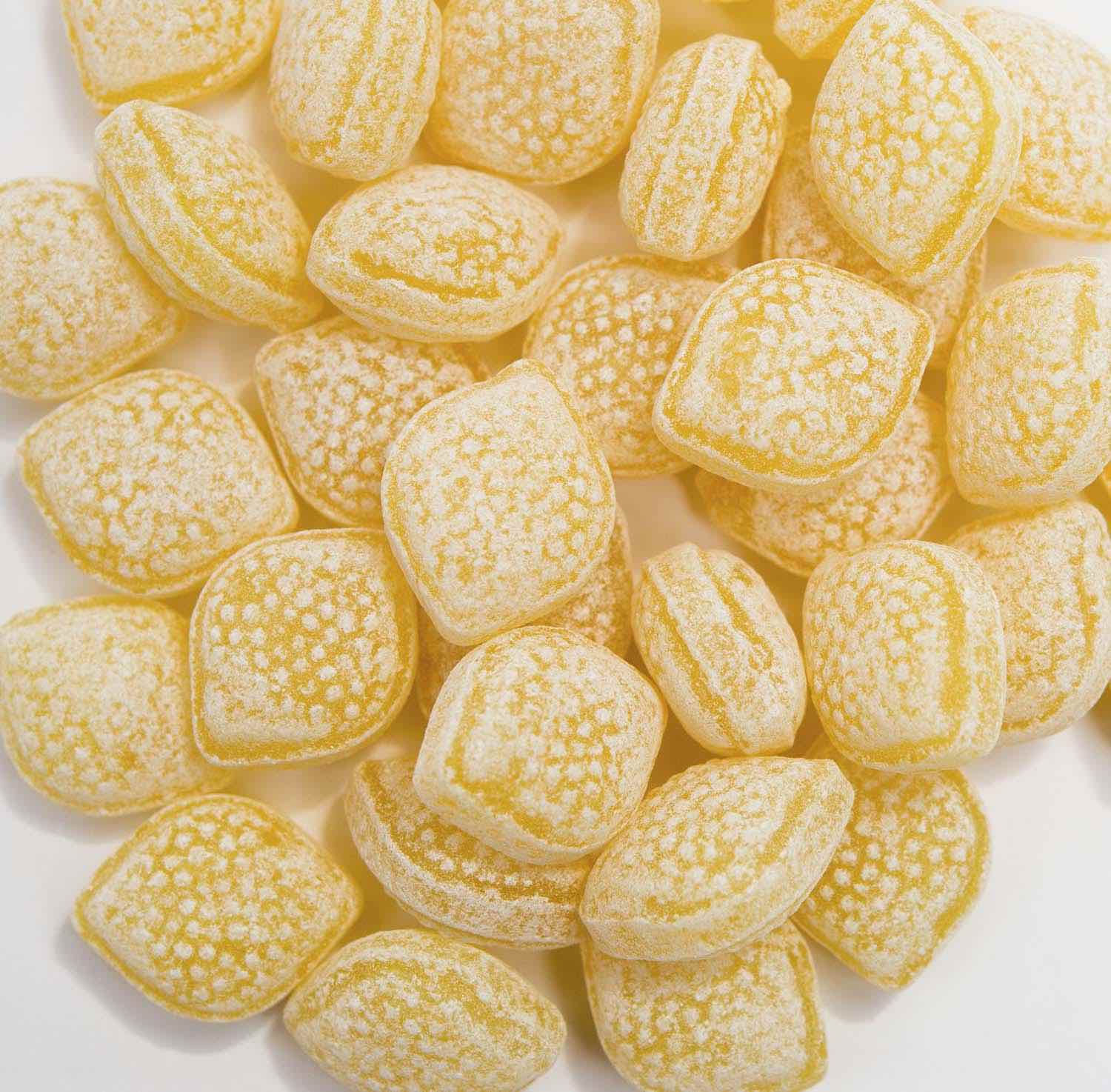
It is also found in the composition of traditional confectionery and herbal specialties of yesteryear, where its tangy taste brings a very popular touch of freshness.
"In the simple garden, lemon balm is the queen of the evening. A handful of leaves thrown into simmering water, and the whole house is soothed by the scent of lemon."
Common sense note: Although lemon balm is a gentle plant traditionally used by the whole family, everyone's sensitivity is unique. In case of doubt, a specific medical situation, pregnancy or for the little ones, always ask your doctor or pharmacist for advice.
What makes it work
The leaves of lemon balm are rich in rosmarinic acid and other phenolic acids, as well as flavonoids (such as luteolin and apigenin) and a fragrant essential oil containing citral, citronellal, and caryophyllene. These natural compounds, well-documented in European pharmacopoeias, give the plant its comforting, aromatic properties.
What I use her for
- · 01Lemon balm is a perennial plant from the mint family with a sweet, lemony scent.
- · 02Lemon balm leaves have traditionally been brewed into a warm tea to soothe the mind in the evening.
- · 03Lemon balm infusion is traditionally used to bring comfort when the stomach feels knotted.
- · 04Lemon balm has been grown since ancient times and is highly attractive to bees.
How I prepare her
Granny’s little recipes
The gentle herbal tea after meals
After lunch or dinner, when your stomach feels a bit heavy
What you’ll need
- 3 to 4 beautiful fresh lemon balm leaves from my garden (or a teaspoon of dried lemon balm)
- 1 large cup of simmering water
- 1 small spoonful of wildflower honey from the local beekeeper
How I go about it
- 01Pick your lemon balm leaves and wash them gently in clean water.
- 02Place them at the bottom of your favorite cup.
- 03Pour the simmering water over them to wake up that lovely lemony scent.
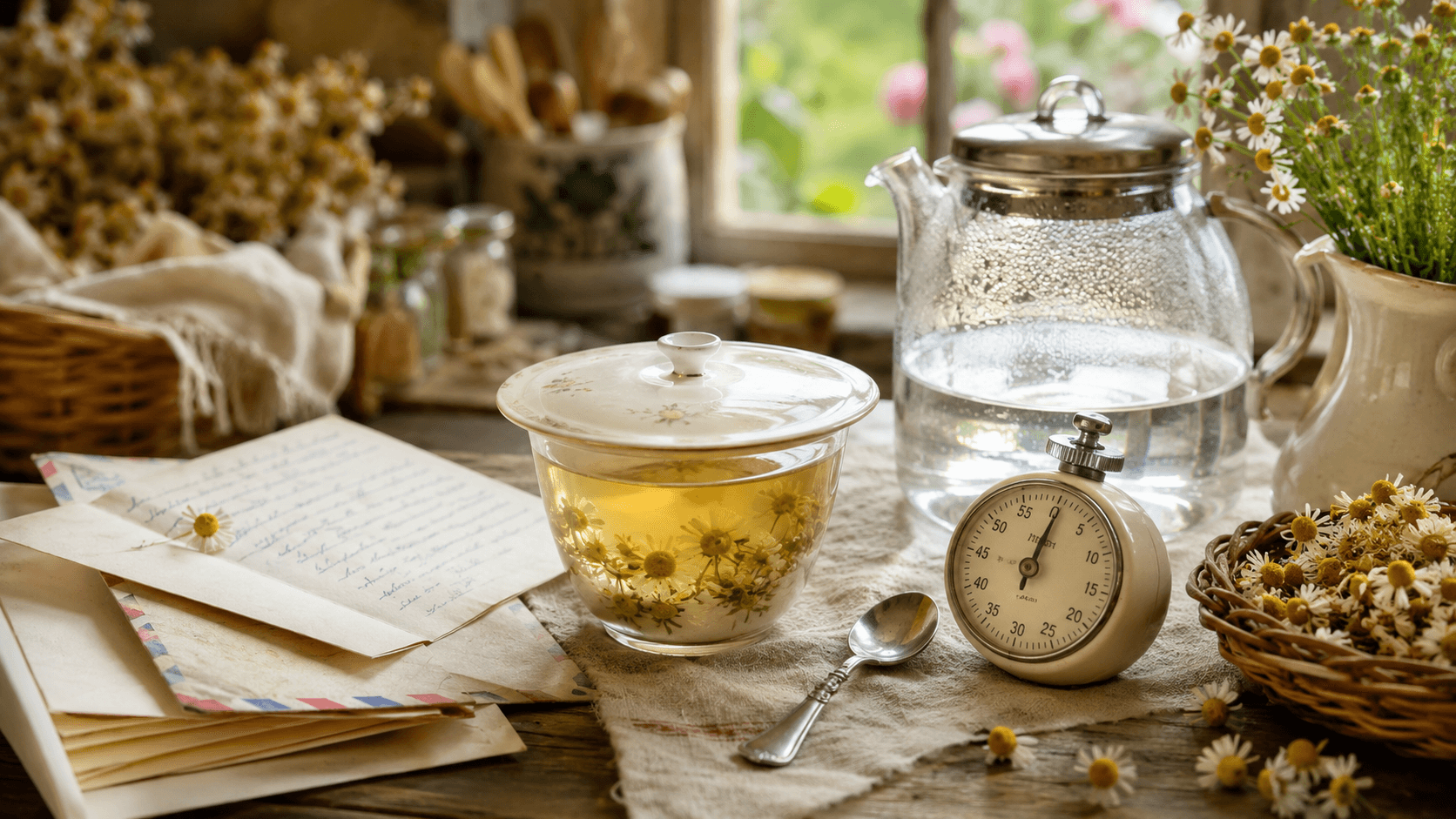
- 04Cover your cup well with a small saucer to keep all the good aromas inside.
- 05Let it infuse quietly for 10 minutes.
- 06Remove the leaves, add your honey if you like, and drink slowly in small sips.
The evening infusion for lovely dreams
In the evening, a good hour before slipping under the sheets
What you’ll need
- 1 tablespoon of dried lemon balm leaves
- 1 pinch of lavender flowers to go with it
- 1 large bowl of boiling water
How I go about it
- 01Mix the lemon balm and lavender in your teapot.
- 02Pour the boiling water over the mixture.
- 03Let it rest for 8 to 10 minutes under a clean cloth.
- 04Strain the preparation to get a beautiful golden color.
- 05Get comfortable, far from screens, and savor this drink that helps you unwind after a long day.
The fresh scented water for hot summer days
In the afternoon, to cool down when the sun is beating down
What you’ll need
- 1 beautiful handful of fresh lemon balm stems
- 1 liter of very cold spring water
- A few slices of organic lemon
How I go about it
- 01Gently rub the lemon balm leaves between your hands to release their sweet lemony scent.
- 02Slip the stems and lemon slices into a large glass carafe.
- 03Pour the cold water over them.
- 04Let it rest in the refrigerator for at least two hours so the water takes on the flavor.
- 05Serve yourself a large glass of this refreshing drink to do you good when it is hot.
What to know first
This information doesn’t replace advice from a healthcare professional. Health Disclaimer →
Her identity card
- Latin name
- Melissa officinalis
- Family
- Mint family (Lamiaceae)
- Parts used
- Leaves, Flowering tops
- Harvest
- Leaves harvested from June to September, just before the flowers open, in dry weather and in the middle of the morning once the dew has evaporated.
- Form
- Herbal tea, infusion, essential oil, mother tincture, capsules.
- Origin
- Native to the eastern Mediterranean region and western Asia, this lovely plant has naturalised over the centuries throughout Europe and temperate regions.
- Storage
- Keep your dried lemon balm leaves in an airtight jar, tucked away from light and dampness, to preserve all their lovely scent for up to a year.
If you remember just one thing
- 01Lemon balm is a perennial plant from the mint family with a sweet, lemony scent.
- 02Lemon balm leaves have traditionally been brewed into a warm tea to soothe the mind in the evening.
- 03Lemon balm infusion is traditionally used to bring comfort when the stomach feels knotted.
- 04Lemon balm has been grown since ancient times and is highly attractive to bees.
Your questions
We have always brewed lemon balm tea in the evening to help soothe a spinning mind and bring back a sense of quiet comfort. This lovely, lemony plant is a wonderful companion when your stomach feels knotted up from the day's worries. It gently calms your spirit and helps you unwind before bed, trust me.
To make a comforting cup of lemon balm tea, you simply pour hot water over a small handful of fresh or dried leaves and let them steep. As you wait, breathe in that wonderful citrus aroma that comes from the mug. It is a simple, time-tested recipe that my own mother used to make for us when we felt restless.
Yes, you can enjoy a warm cup of lemon balm tea every day, especially in the evening when it is time to let go of the day's stress. It is a gentle, friendly herb from the garden that has been used safely for generations. However, if you are pregnant, taking specific medications, or feel unsure, always ask your doctor or pharmacist for advice.
Lemon balm has a long history of being used to help people wind down and prepare for a restful night. Drinking a warm infusion of this sweet herb gently calms your mind, and before you know it, sleep comes on its own, sweet and easy. It is our favorite family ritual for a peaceful evening.
You can easily grow lemon balm in your garden or even in a pot on your windowsill, as it is a sturdy little plant that loves the sun. I always keep a patch of it right by my kitchen door so I can pinch a few fresh, fragrant leaves whenever I walk by. The bees simply adore its tiny white flowers, and it will bring so much joy to your home.