Contents
The article
Make yourself comfortable at the kitchen table, and I will explain how to capture the strength of plants in a simple bottle of oil. It is a secret as old as time, which the Egyptians and our herbalists of old already used to care for the skin. Making your own homemade oily macerate is a true, simple joy. We take our time, we watch the colors change, and we prepare treasures for evening massages or to soothe dry and tired areas.
Choosing our beautiful local plants
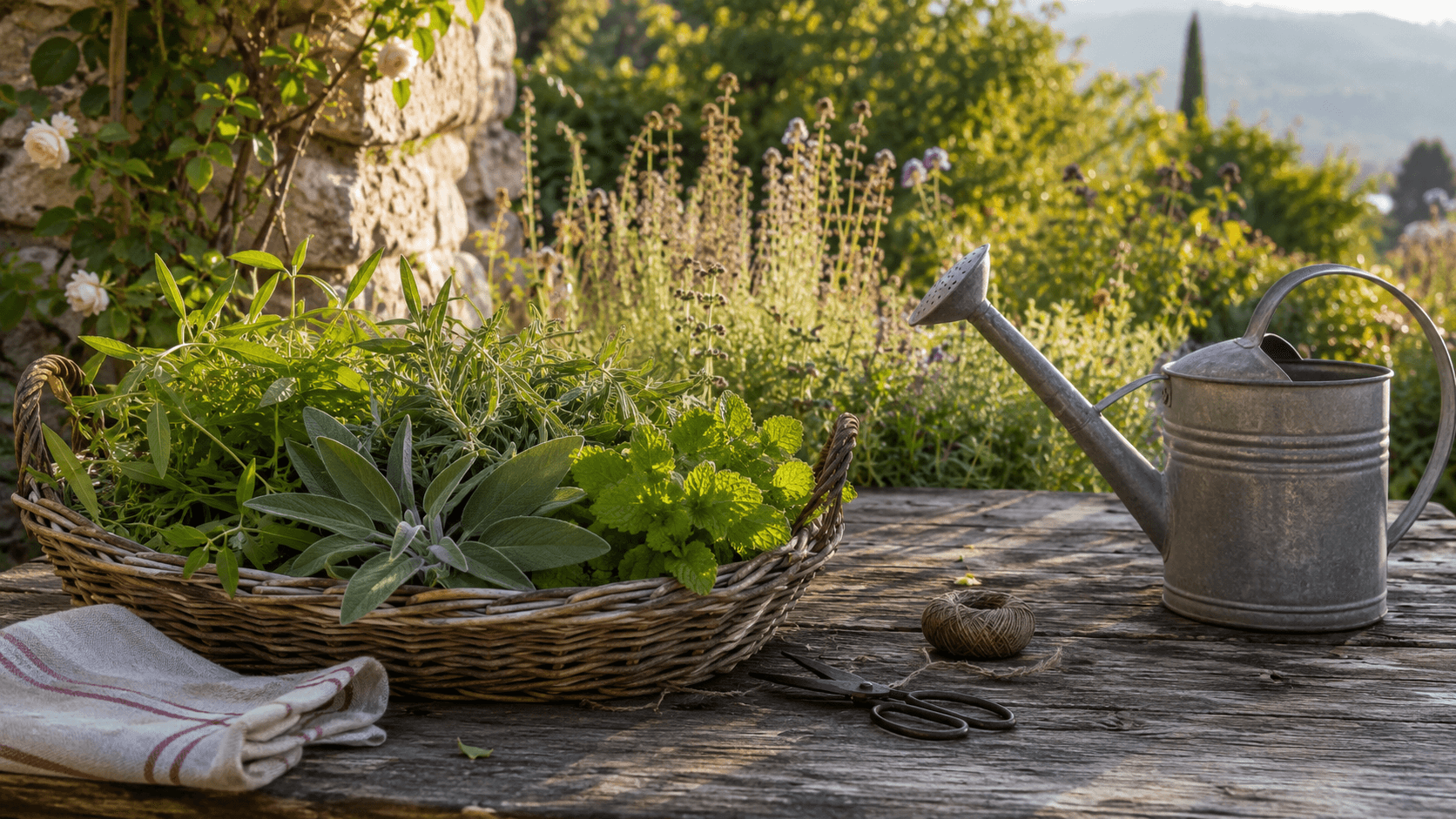
My mother always did this at the end of summer with the calendula flowers from our garden, which are so soothing for sensitive skin and help calm mild redness. We use plants from our countryside, like the golden marigold flowers or St. John's wort flowers which give a magnificent red oil. She always kept a bottle of it in the cupboard to massage tired areas or to rub us down after a long day of work in the fields. It is a knowledge passed down from generation to generation, a gentle way to stay close to nature.
The golden rule: a perfectly dry plant
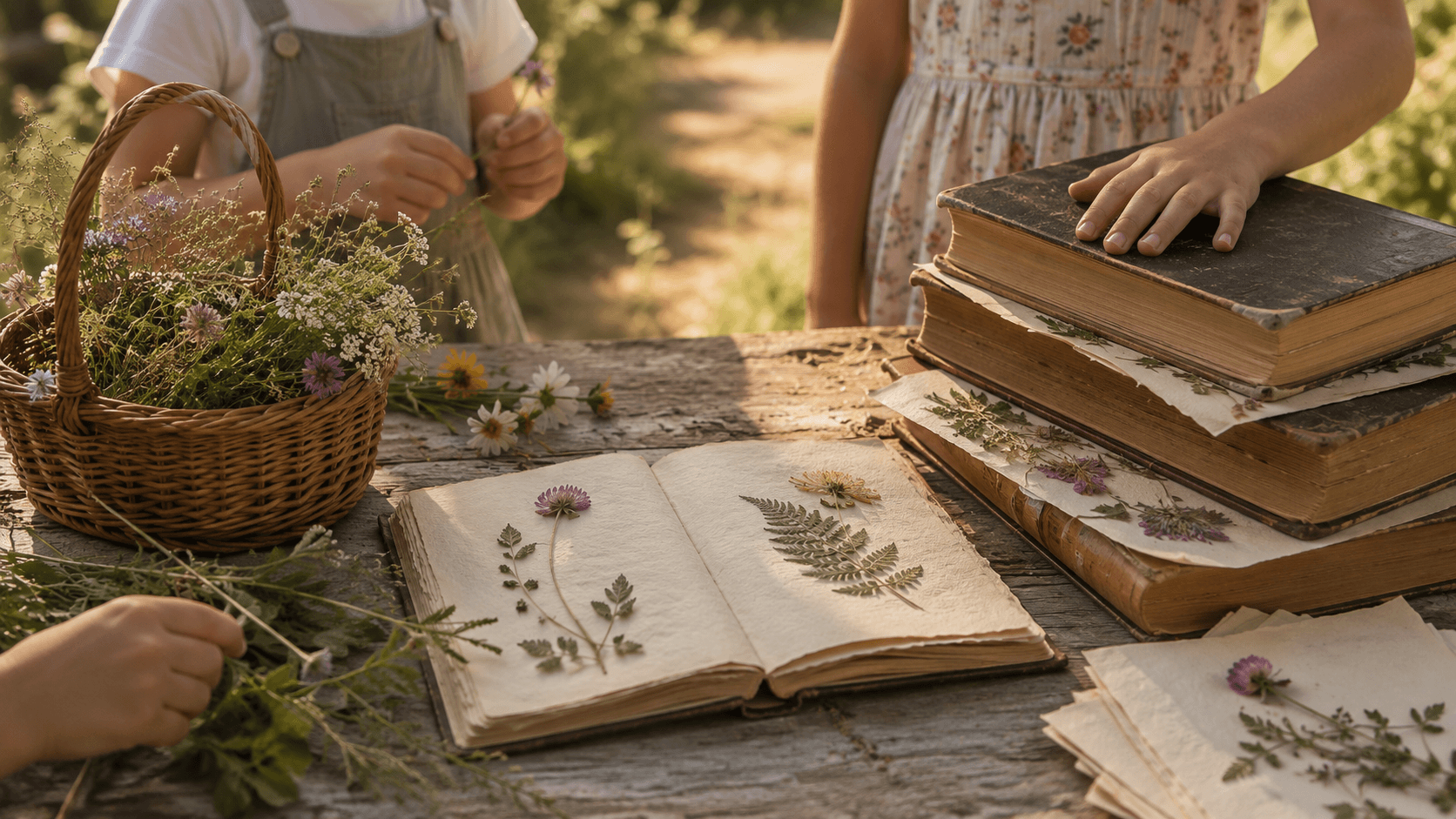
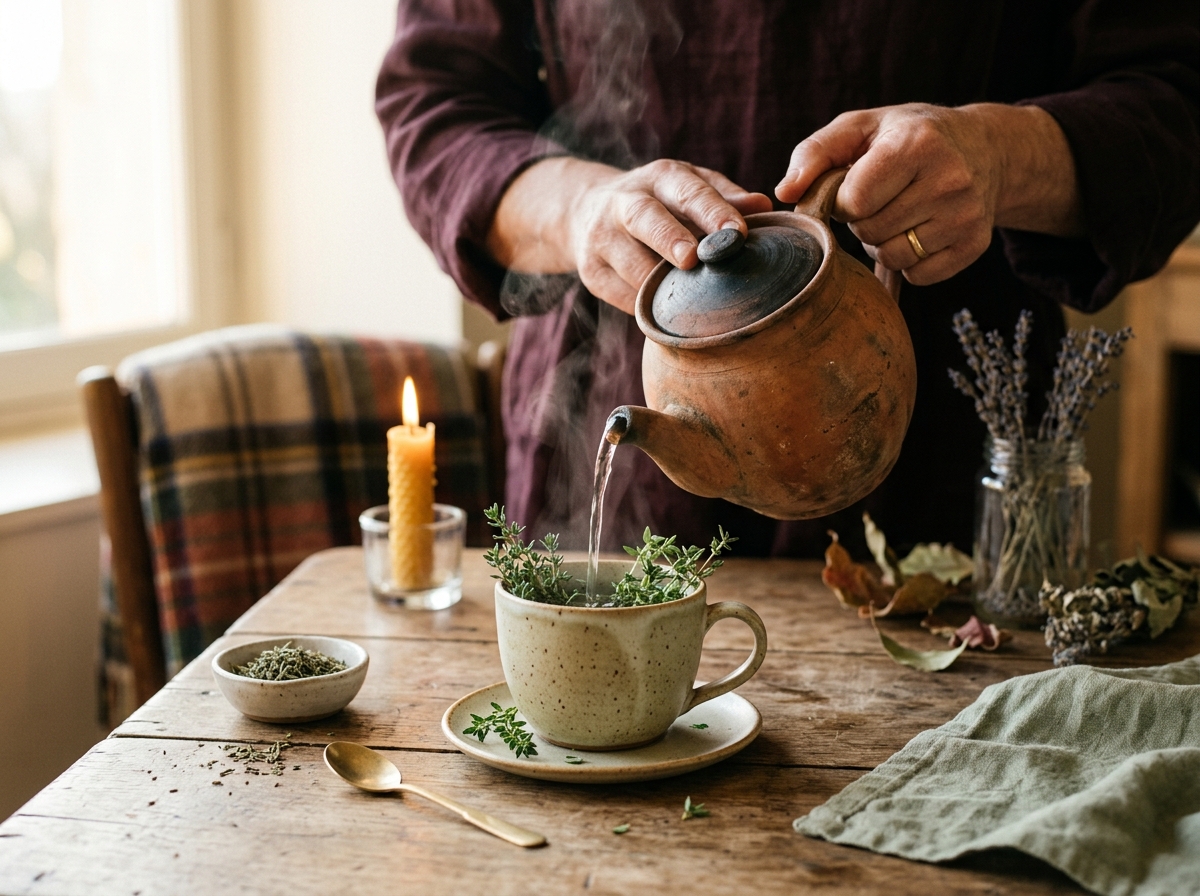
To make a success of your treasure, listen to me closely, there is a golden rule: always use well-dried plants. Water is the enemy of oil, it brings mold and causes the preparation to spoil. If you pick your flowers in the garden, let them dry quietly away from the sun for a few days to remove all their moisture. You can also let them wilt on an old clean sheet for at least a whole day to chase away the slightest drop of water.
Then, the process is child's play:
- You fill a clean, dry glass jar with your plants, about a third of the pot.
- You pour a good organic vegetable oil over them, like sunflower oil from our regions or olive oil which is very stable.
- The plants must be completely covered by the oil to avoid any contact with the air.
Patience or the gentle double-boiler method
Once your jar is prepared, you have two paths before you. Either you choose the gentle, traditional method by leaving your jar away from light for four to six weeks. You simply remember to stir it gently from time to time with love. Or, if you are in a bit of a hurry, you can heat everything very gently in a double boiler for two or three hours at a low temperature, without ever letting it boil.
Harvesting and storing your oil
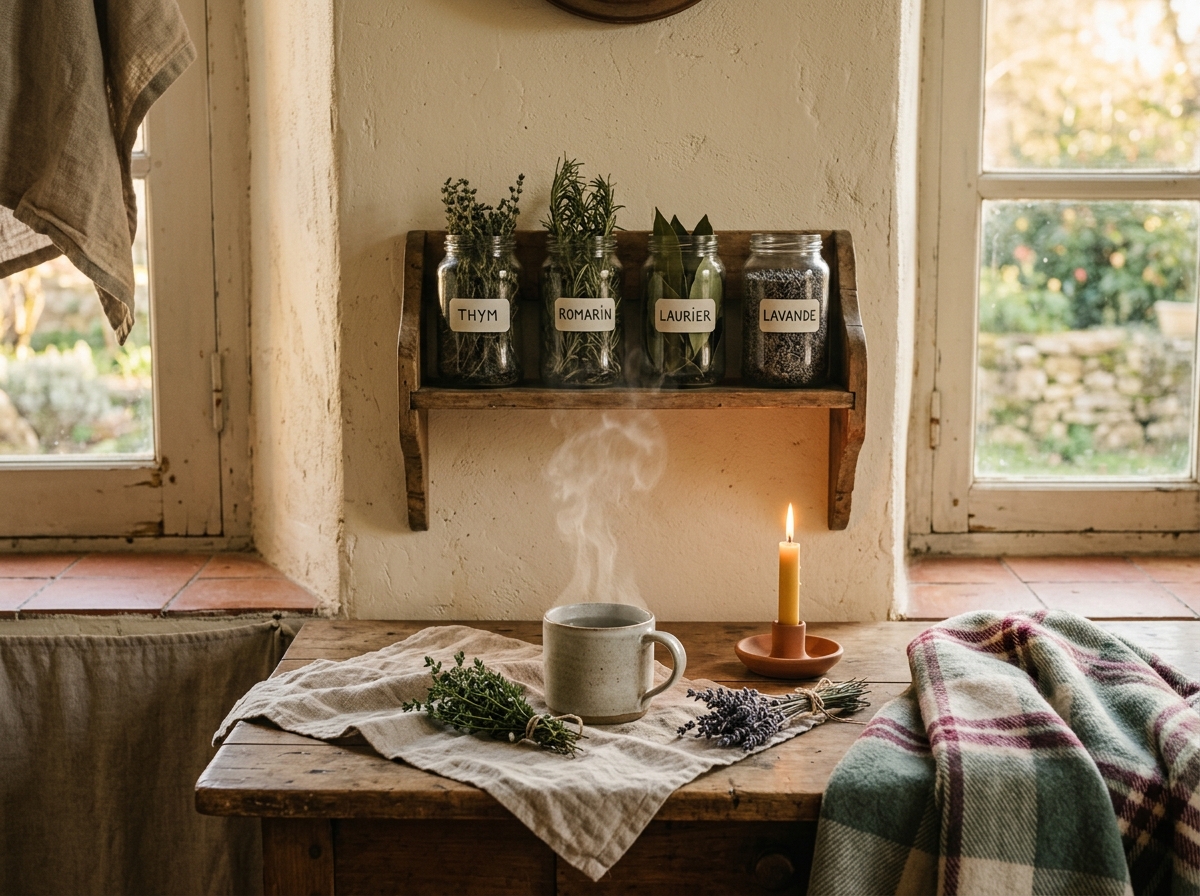
Once this time has passed, you filter everything through a clean cloth, pressing well to collect every drop of this precious liquid. To help your macerate keep well for a year or two, you can add a few drops of vitamin E, which helps protect the oil from rancidity over time. Keep your bottle tightly closed, in a cool place and away from light in a dark cupboard.
You will see, it is a wonder for massaging the body, nourishing dry skin, or soothing mild redness after being outdoors. Just remember to do a small patch test on the crook of your elbow before using it everywhere. Remember also that St. John's wort is never applied before going out in the sun, as this beautiful red oil does not like summer light on the skin. For any doubt or for a more specific use, always ask your doctor or pharmacist for advice.
FAQ
An herbal oil is a traditional preparation that involves infusing dry plants in a vegetable oil to capture their benefits. This care oil has always been used to massage tired areas of the body or to soothe dry skin after a day spent outdoors.
To make your homemade herbal oil, you must first place well-dried plants in a clean jar, then cover them completely with a good organic vegetable oil like sunflower or olive oil. You then let nature do its work for four to six weeks at room temperature, stirring the jar from time to time, before filtering everything through a clean cloth.
You must absolutely use well-dried plants for your herbal oil because water is the enemy of oil. If your flowers still contain moisture, it will ruin your preparation and encourage mold to grow, which would waste all your hard work.
To keep your oily macerate well for a year or two, keep your bottle tightly closed, in a cool place and away from direct light. You can also add a few drops of vitamin E to your bottle, as this helps protect the oil from rancidity over time.
Yes, St. John's wort herbal oil should never be applied to the skin before going out into the sun because this plant reacts strongly to summer light and can cause spots. For this preparation or any other plant, if you have any doubts or if you have very sensitive skin, always ask your doctor or pharmacist for advice.