Your peppermint tea: how I make it, and when to skip it
Peppermint tea is my cup after a meal that sits heavy. I'll tell you how I make it, when I go without, and why its essential oil stays put away on its own.
Peppermint tea is the cup I make myself after a meal that sits heavy: a few dried leaves, boiling water, ten minutes under a saucer. But before I pour you one, I need to tell you two or three things, because peppermint isn't as simple as it looks. Especially when it comes to its essential oil.
My peppermint, from the garden pump to my herb bed
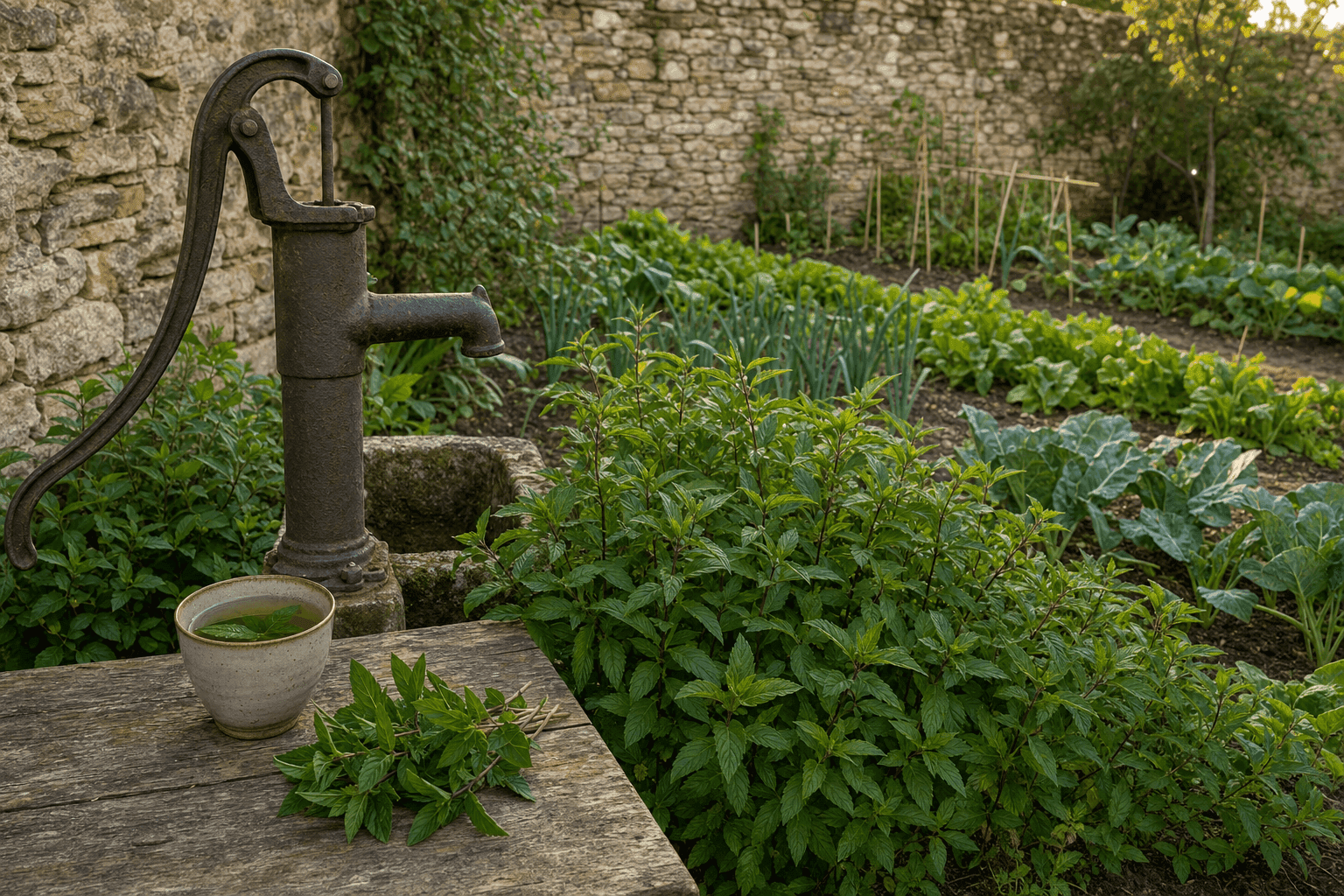
At my mother's, the mint grew in the corner of the vegetable garden, right next to the water pump. She picked a handful in the late afternoon and rubbed it between her fingers: she said the smell put her thoughts back in order after the day. She also tucked sprigs into the linen cupboard, to keep the little critters away, or so she said. I'm not promising you anything on that score. What I do know is that the sheets smelled lovely.
Its learned name is Mentha × piperita. The little × in the middle means it's a hybrid: peppermint was born from water mint, the one that keeps its feet in the water, and spearmint. That's where it gets the cold that prickles your tongue. Spearmint has a gentler taste and leaves with almost no stalk: it's the one in the tea of Fatima, my friend from Marrakech, and I told you about it in my mint's trip around the world.
The Egyptians, the Greeks and the Romans already knew mints, but which one exactly, the books can't always say. Peppermint as we drink it turned up in England at the end of the 17th century. Our apothecaries in France said it was good for the stomach, and since it came from across the Channel, they called it “English mint”.
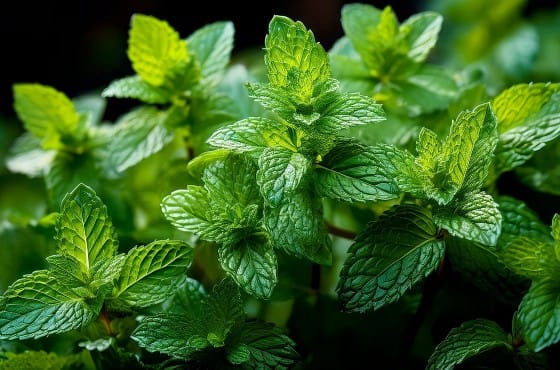
These days, mine lives in a big pot at the edge of my herb bed. It runs underground, and a single stem can cover a square meter in one season: in among the lettuces, I wouldn't let it. I pick the young tips from late spring to autumn, and for my stores, I cut it just before it flowers.
A cup of leaves is one thing. A drop of essential oil is quite another: never mix them up, believe me.
My peppermint tea, step by step, after a meal that sits heavy
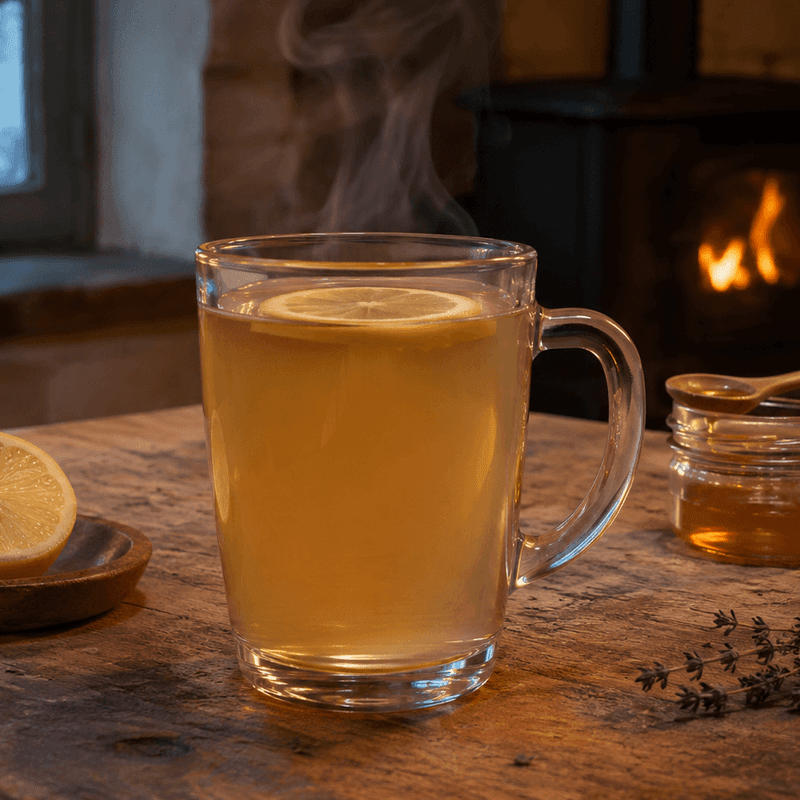
For the cup, I do as the books say. I put 1.5 to 3 g of dried leaves in the bottom of my cup and pour 150 ml of boiling water over them. I don't boil the leaves in the saucepan: I cover with a saucer and wait ten minutes. I strain it, and I sip it slowly. No more than three cups a day for an adult. Between 4 and 17, it's less: 1 to 2 g per cup, three times a day at most.
What I ask of it is what people have asked of it for a long time: a helping hand when digestion drags and the tummy gets gassy. I keep it with my habits for slow digestion and for a bloated, tight tummy. And if it's no better after two weeks, or if it gets worse, it's no longer a matter for herbal tea: go and see your doctor.
People often ask me if you can drink it in the evening. Yes: peppermint has no caffeine, it isn't real tea. But it's not a cup for sleep. For that, the books talk more about lemon balm or lemon verbena, and I've written down my habits for the nights when sleep won't come.
In summer, I let it cool, an hour in the fridge, and serve it with two or three ice cubes: it counts toward the three cups of the day. With fresh mint, I make a jug: about twenty leaves, two limes in slices, cold water, and three or four hours in the fridge. Everything else, I tell you on my peppermint's page.
Peppermint and its dangers: the cup on one side, the essential oil on the other
The tea, taken properly, doesn't get much blame from the books, but there are times when you go without. If you have heartburn or acid reflux, it can make them worse. During pregnancy and breastfeeding, we don't know enough about whether it's safe, so you don't take it. Before age 4, you don't give it. If you're allergic to mint or menthol, go without. If you have gallstones or a bile problem, ask your doctor first. The books don't flag any mix to avoid, but if you already take something long-term on a doctor's orders, talk to your doctor or pharmacist before drinking it every day.
Peppermint essential oil is another matter. It's drawn from the fresh flowering plant by steam distillation: that's not something I do in my kitchen. It's far stronger than a cup of leaves, and nothing I've told you about the tea applies to it. The books give it a few uses, for the older ones only: breathed in over hot water when your nose is blocked and you're coughing with a cold, from age 12, and as a diluted preparation on the forehead and temples for a mild headache, in adults.
For little ones, it's no. Never before age 2: in a very young child, menthol can suddenly stop their breathing and tighten their throat. Never on the face of a baby or young child, especially around the nose, and not on their chest. Not for a child who has ever had seizures, and not during pregnancy or breastfeeding. Don't swallow it neat, or in drops in a glass of water. Never put it on broken skin, and wash your hands afterward: it stings the eyes.
Before I let you go
Last night, I cut three sprigs from the big pot, rubbed them between my fingers the way my mother did, and the whole kitchen smelled of mint. I thought back to the garden pump, the sound of water in the bucket, her hands green right to the nails. I'll write to you soon. Until then, take your time over your cup.