With its wonderful icy-cool scent, this pretty garden mint is a true treasure that we have always used after meals to help soothe the stomach when it feels heavy or knotted. It simply does you so much good.
Who she really is
Family : Mint family (Lamiaceae). Native to Europe and the Middle East, peppermint is now naturalised and widely cultivated in temperate regions across the globe.
Parts used : Leaves, Flowering tops. Leaves and flowering tops harvested from June to September, in dry weather, just before the flowers open in the morning sun.
Peppermint is a wonderful garden plant that we have always used as a warm herbal tea after meals to help soothe your stomach when it feels heavy or knotted. This lovely green herb simply does you so much good, bringing back comfort and helping you feel lighter after a big family dinner.
Her story
Peppermint (Mentha × piperita), also known by its French name of Menthe poivrée, is an essential herbaceous plant from the Lamiaceae family. Born from a spontaneous encounter between watermint and spearmint, it has traveled through the ages, offering its unique fragrance and incomparable freshness to our gardens and our cups.
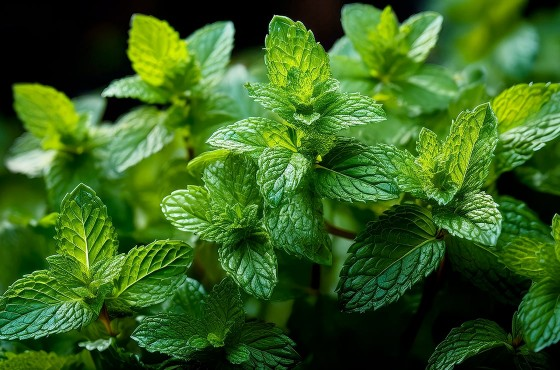
A history of hybridization and botany
Peppermint is a very special mint: it comes from a natural and spontaneous hybridization, known as hexaploid, between watermint (Mentha aquatica) and spearmint (Mentha spicata). It was in England, starting in the 17th century, that its cultivation truly began to develop for its exceptional qualities.
In 1753, at the very beginning of modern nomenclature, the famous naturalist Linnaeus recognized Mentha piperita as a distinct species among the ten species of the genus Mentha, charmed by its highly characteristic pungent flavor. Botanists long believed that it grew wild in wetlands before discovering its nature as a sterile hybrid.
In the 20th century, scientific work made it possible to recreate this cross by observing thousands of plants to select varieties very close to the famous 'Mitcham' cultivar, renowned for the finesse of its essential oils. Genetic analyses and the study of its flavonoids definitively confirmed this beautiful mixed genealogy.
From John Ray's garden to the apothecaries of yesteryear
The peoples of Babylonian, Egyptian, and Greco-Roman antiquity already knew and used many varieties of mint. However, the ancients focused more on daily uses than on precise botanical classification, which sometimes makes identifying our modern species in their writings quite delicate.
The modern history of peppermint became clearer at the end of the 17th century in England. The naturalist John Ray obtained specimens of this highly aromatic plant in Hertfordshire in 1696. Very quickly, its reputation crossed borders. Traditionally recognized for bringing great comfort after meals, it made its entry into the famous London Pharmacopoeia in 1721 under the medieval name of "Mentha piperitis sapore".
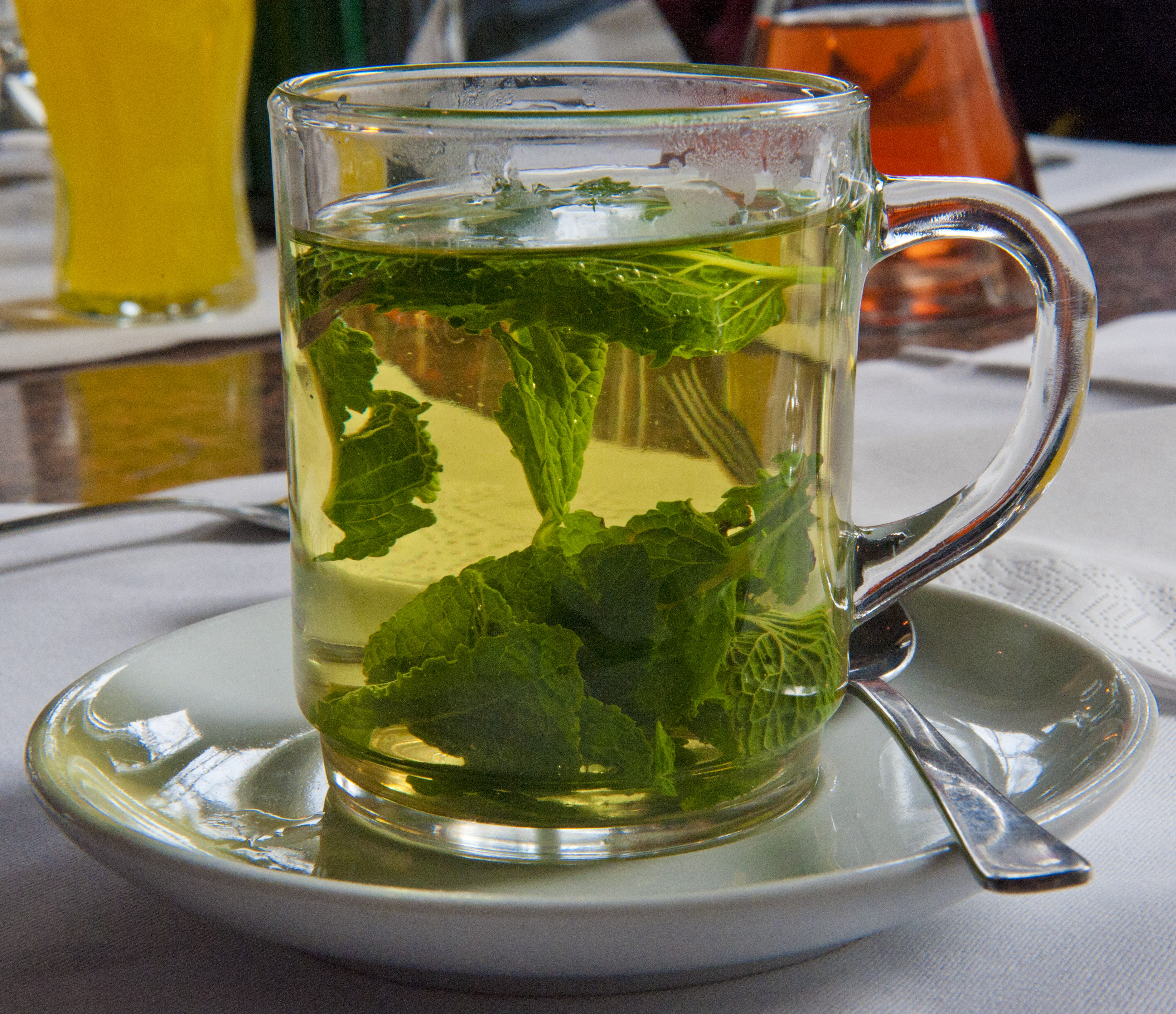
In France, apothecaries warmly adopted it under the name of "English mint". Back then, they loved to recommend it to soothe tired stomachs and clear away feelings of heaviness. It is this same traditional use, passed down from generation to generation, that we continue today by preparing a good hot herbal tea after a hearty meal.
A unique aromatic richness
What sets peppermint apart is its exceptional concentration of menthol, which is much higher than in its cousins. Its essence also contains menthone, menthyl acetate which gives it its sweetness, as well as menthofuran and 1,8-cineole. Beyond its volatile oils, the dried plant offers precious polyphenols such as rosmarinic acid and various flavonoids (eriocitrin, hesperidin).
This richness makes it a precious ally in many areas:
- In cooking and confectionery: It deliciously flavors summer drinks, fruit salads, ice creams, chocolates, and traditional dishes.
- In family herbalism: It is appreciated as a simple infusion for its refreshing taste and for the digestive comfort it provides. It helps you feel lighter when your stomach feels tight.
- In the garden: It has given rise to wonderful cultivars with surprising scents, such as chocolate mint, lemon mint, or bergamot mint.
"A pinch of dried peppermint leaves in simmering water for ten minutes, that is the simple secret of our grandmothers to find a feeling of lightness after dinner."
Safety note: Although very pleasant for daily use, the use of aromatic plants must remain suited to each individual. In case of doubt, persistent discomfort, or for any use in the form of essential oil for children or pregnant women, always seek advice from your doctor or pharmacist.
What makes it work
The leaves of peppermint are rich in an essential oil primarily composed of menthol, menthone, and isomenthone, alongside active flavonoids such as luteolin and apigenin, and phenolic acids including rosmarinic acid. These natural compounds are well-documented in major European pharmacopoeias for their aromatic and soothing properties.
What I use her for
- · 01Peppermint is a natural hybrid plant born from the cross between watermint and spearmint.
- · 02Peppermint leaves have traditionally been used in herbal teas after meals to help soothe and comfort the stomach.
- · 03Peppermint essential oil naturally provides a characteristic icy-cool sensation on the tongue.
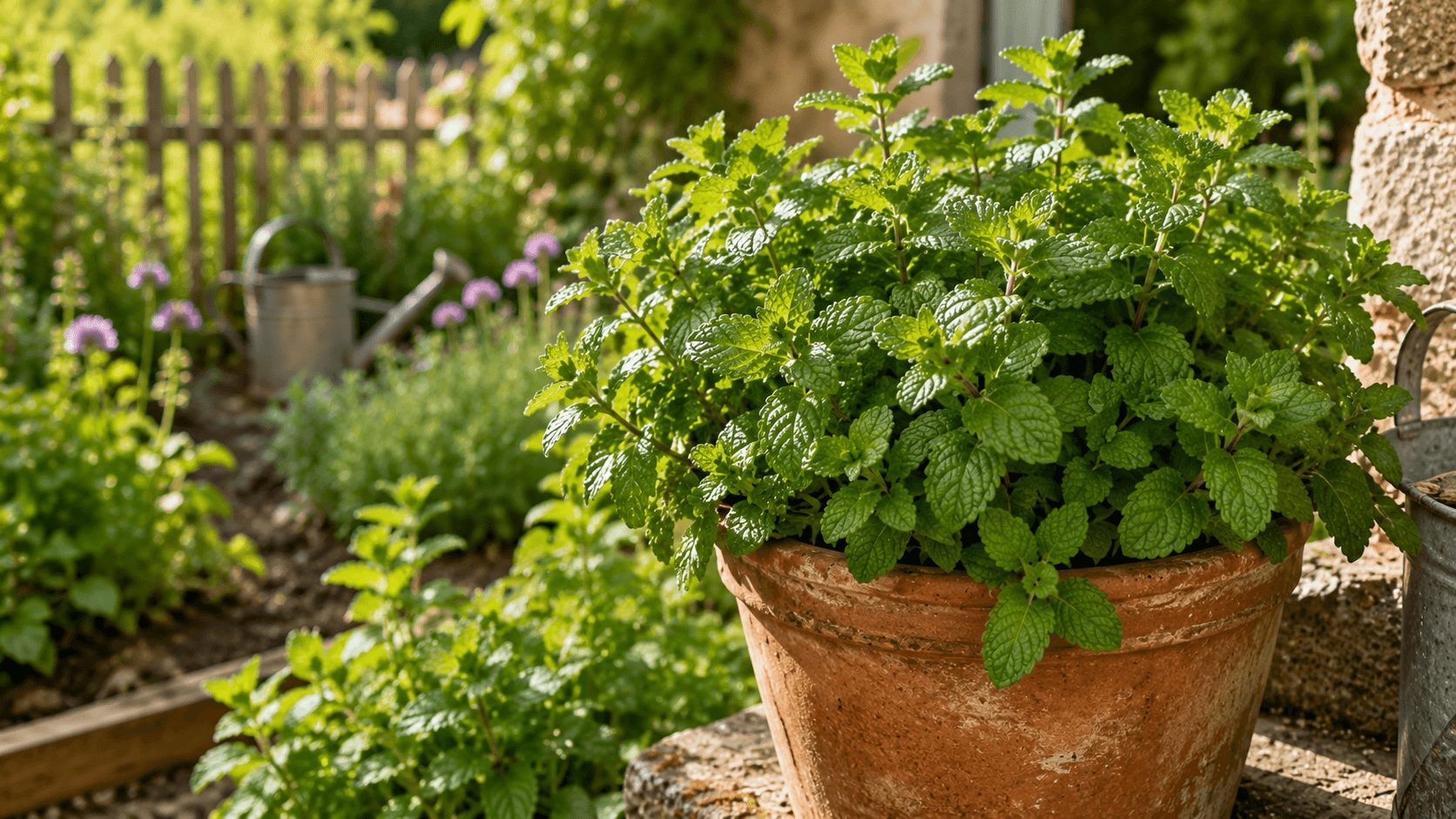
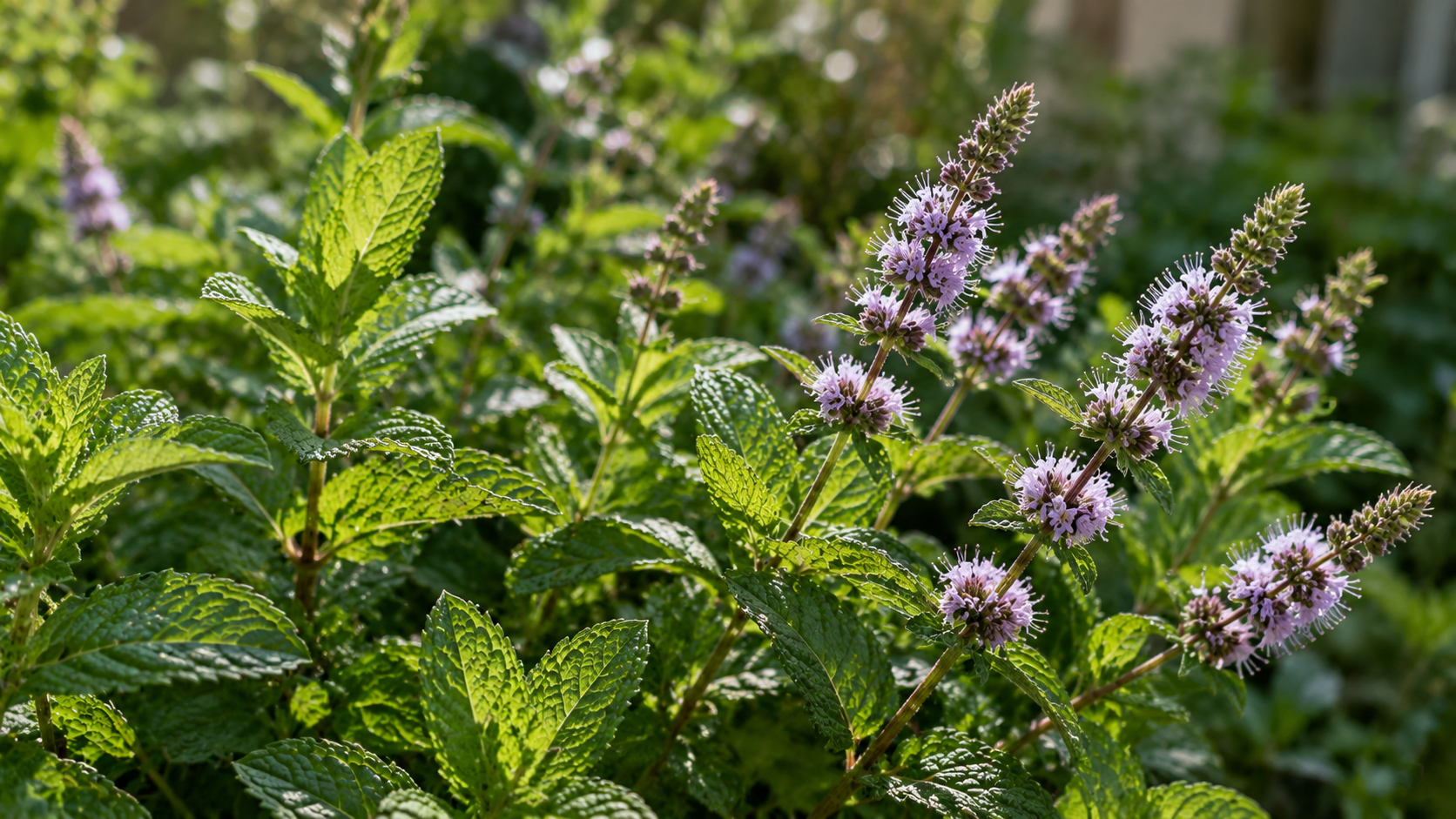
- · 04Peppermint is a hardy garden plant featuring purple-tinged stems and pale violet flowers that attract bees.
How I prepare her
Granny’s little recipes
The herbal tea for after hearty meals
Right after lunch or dinner, when your stomach feels a bit heavy
What you’ll need
- A generous pinch of dried peppermint leaves
- A cup of simmering water
- A spoonful of forest honey (if you like it sweet)
How I go about it
- 01Heat your water without letting it come to a rolling boil so you do not burn the leaves.
- 02Place your peppermint leaves at the bottom of your favorite cup.
- 03Pour the hot water over them and cover to keep in all the wonderful aromas.
- 04Let it infuse quietly for 7 to 10 minutes.
- 05Strain, add your honey, and sip slowly, enjoying this lovely freshness that does your stomach so much good.
The steam bath to find your second wind
At the end of the day, when your nose is tickling or you feel a bit congested
What you’ll need
- A good handful of dried peppermint leaves (or three fresh sprigs from your garden)
- A large bowl of boiling water
- A large, clean bath towel
How I go about it
- 01Place your peppermint leaves at the bottom of a large, heat-resistant bowl.
- 02Pour the boiling water directly over the leaves to release the menthol.
- 03Sit comfortably over the bowl, then cover your head with the towel to create a little tent.
- 04Close your eyes and gently breathe in this fresh, fragrant steam for 5 to 10 minutes.
- 05It is a simple grandmother's secret to help you feel lighter.
The fresh, fragrant water for summer afternoons
In the middle of the afternoon, when the sun is beating down and you need to cool off
What you’ll need
- About ten fresh peppermint leaves
- A pitcher of ice-cold water
- A few slices of locally grown lemon
How I go about it
- 01Gently wash your fresh mint leaves in clean water.
- 02Rub them slightly between your hands to wake up their aromas before putting them in your pitcher.
- 03Add the lemon slices and pour the cold water over them.
- 04Let it rest in a cool place for at least an hour so the mint can infuse its legendary freshness.
- 05Pour yourself a large glass to quench your thirst and find a natural pick-me-up.
Elsewhere: how others know her
You know, my long-time friend Maria, who lives in Italy near Florence, wrote to me the other day to tell me about her "Menta piperita". Over there, they love it so much that they slip a few fresh leaves into their homemade sugar syrup to drizzle over summer fruit salads. She was telling me that at her house, they always keep a bottle of this syrup in the fridge to offer to neighbors when the sun is beating down and they need to refresh their throats.
And then, my grandson who traveled to England told me that across the Channel, they call it "Peppermint" and swear by it to accompany their roast lamb dishes. His landlady there used to make him a traditional sauce with vinegar, a little sugar, and lots of chopped mint. At first, he thought it was strange, but he confessed to me that it really helps to digest those rather heavy meals.
As for me, you know me, what I do with it is much simpler. I much prefer to pick three or four beautiful, bright green leaves from my garden, rub them a little between my fingers to release that lovely fresh scent, and toss them into my teapot of hot water after the evening meal. Nothing beats a good homemade herbal tea to feel light before going to bed.
What to know first
This information doesn’t replace advice from a healthcare professional. Health Disclaimer →
Her identity card
- Latin name
- Mentha x piperita
- Family
- Mint family (Lamiaceae)
- Parts used
- Leaves, Flowering tops
- Harvest
- Leaves and flowering tops harvested from June to September, in dry weather, just before the flowers open in the morning sun.
- Form
- Herbal tea, infusion, essential oil, mother tincture, capsules.
- Origin
- Native to Europe and the Middle East, peppermint is now naturalised and widely cultivated in temperate regions across the globe.
- Storage
- Keep your dried peppermint leaves in a tightly sealed jar, tucked away in a dark, dry cupboard, to preserve all their wonderful icy freshness for up to a year.
If you remember just one thing
- 01Peppermint is a natural hybrid plant born from the cross between watermint and spearmint.
- 02Peppermint leaves have traditionally been used in herbal teas after meals to help soothe and comfort the stomach.
- 03Peppermint essential oil naturally provides a characteristic icy-cool sensation on the tongue.
- 04Peppermint is a hardy garden plant featuring purple-tinged stems and pale violet flowers that attract bees.
Your questions
We have always used peppermint tea after a heavy meal because it helps soothe the stomach when it feels heavy or knotted. Drinking a warm cup of this infusion is a simple, time-tested gesture that really does you good and brings back a sense of comfort. Trust me, it is the perfect little ritual to help you feel lighter.
To make a comforting peppermint infusion, you simply take a small handful of dried peppermint leaves and let them steep in hot water for a few minutes. I love to drink it warm after dinner to unwind, but you can also let it cool down on hot July afternoons for a wonderful, refreshing drink. It is as simple as that, my dear.
While peppermint is a wonderful everyday plant to have close at hand, its powerful essential oil can sometimes be a bit too strong for sensitive tummies. If you are ever unsure about using it, or if you feel truly unwell, you should always ask your doctor or pharmacist for advice. It is always best to be safe and take care of yourself.
Yes, you can absolutely use fresh peppermint leaves straight from your garden, where this sturdy plant grows so easily. I love to crush the fresh leaves between my fingers and breathe in that wonderful, icy-cool scent when my head feels a bit cluttered. It instantly wakes up the senses and does you so much good.
Peppermint is actually a natural hybrid plant, born long ago from the marriage of watermint and spearmint. This pretty green plant with purple-tinged stems has been a favorite in our family gardens for generations, and the bees simply adore its pale violet flowers in the summer.