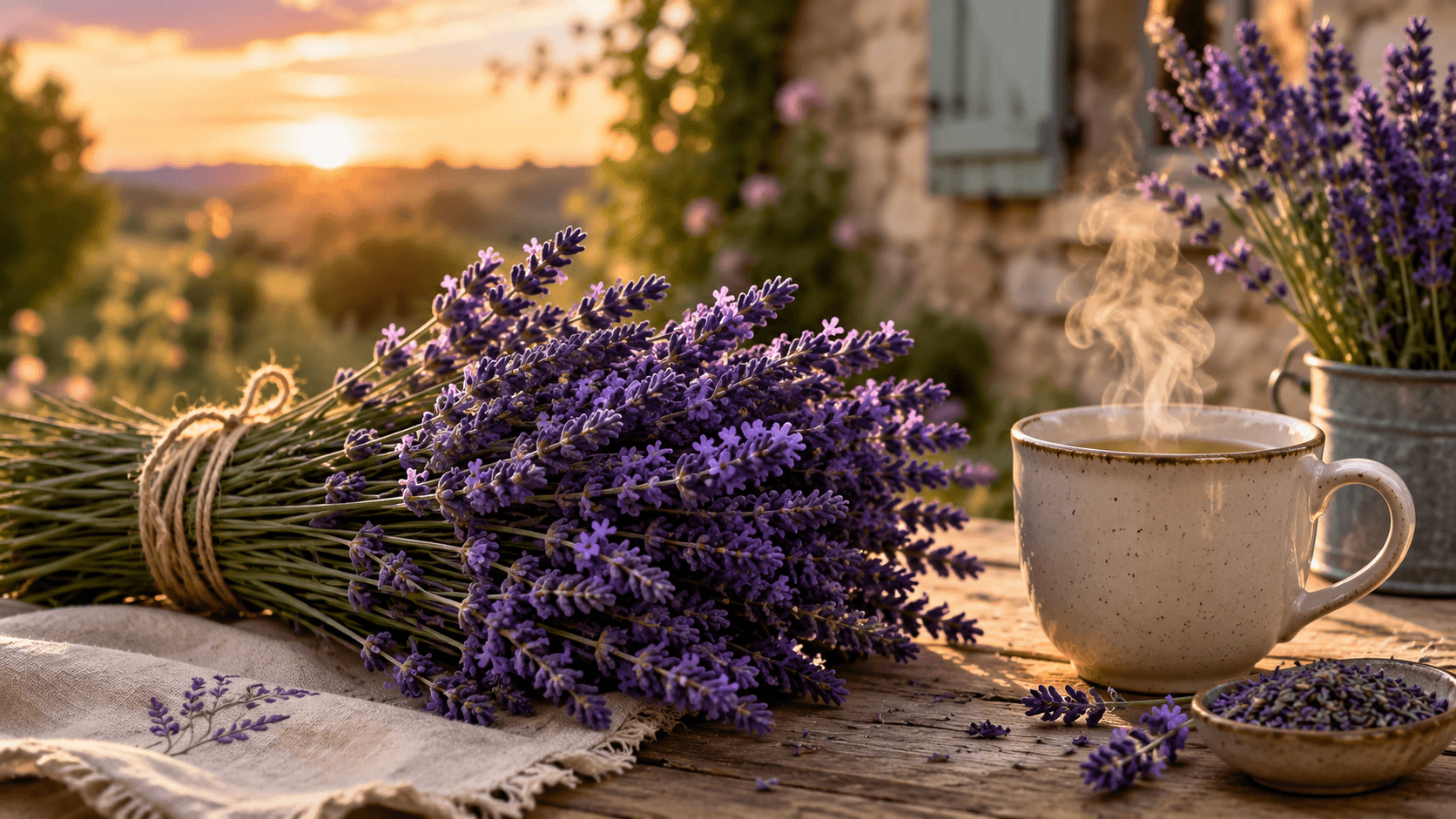
With its sweet, sunny scent, this pretty blue flower is a true treasure that we have always used to soothe the mind and help you unwind in the evening before bed. It simply does you so much good.
Who she really is
Family : Mint family (Lamiaceae). Native to the mountainous regions of the Mediterranean basin, particularly in southern Europe, where it thrives on dry, sunny limestone soils.
Parts used : Flowers, Flowering tops. Flowers harvested from July to August, in dry weather, in the warmth of mid-morning when the morning dew has evaporated.
True lavender is a beautiful blue flower that we have always used to soothe the mind and help you unwind in the evening. Drinking a warm cup of its fragrant tea gently calms your spirit after a long day, making it much easier for you to drift off into sweet, natural sleep.
Her story
If there is one plant that truly embodies the sweetness of our grandmothers' gardens and the warm scent of the hills of Provence, it is True Lavender. Known for generations for its unique fragrance, it accompanies our moments of relaxation and brings a breath of soothing comfort to the home.
A wonder of nature: botanical description
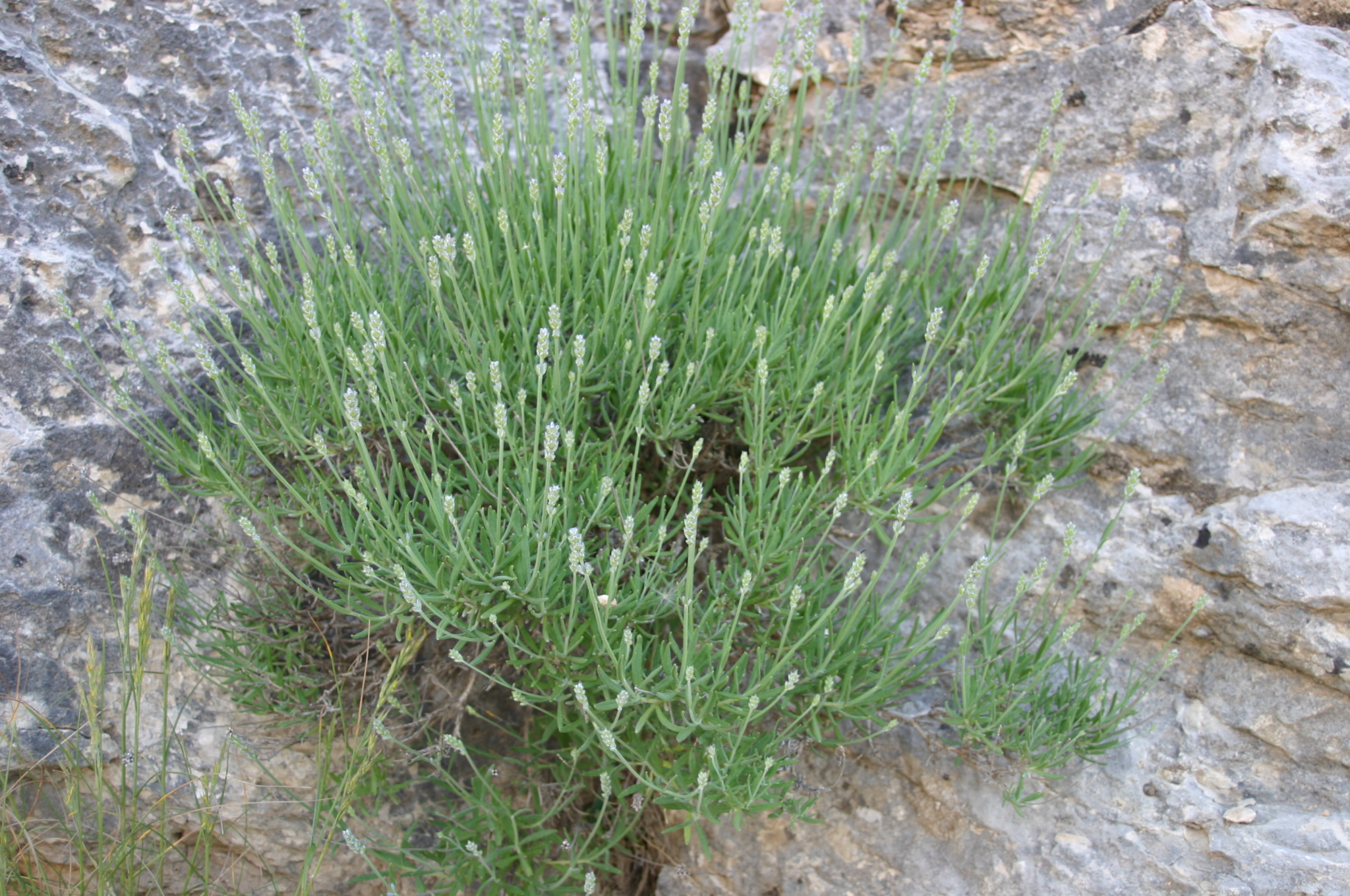
Lavender (Lavandula angustifolia Mill.), also known as true lavender or narrow-leaved lavender, is a perennial subshrub from the Lamiaceae family. Particularly appreciated for the delicacy of its scent, it stands out from other varieties with its elegant silhouette and incomparable aromatic qualities.
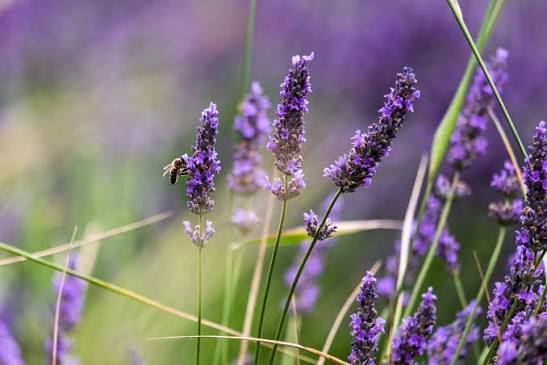
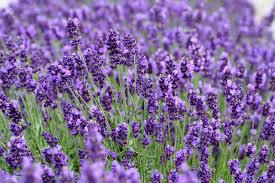
In the wild, it thrives mainly in the sunny, mountainous areas of Provence, but its hardiness means it can now be grown in many regions. It forms a dense clump 30 to 60 cm high, topped by flower spikes that each carry a single, characteristic blue-violet flower spike.
Its woody stems, branched at the base, bear opposite, simple, elongated leaves of a soft grey-green colour. These evergreen, aromatic leaves are covered with fine little hairs that precious hold the plant's fragrant essences.
Names of yesterday and today
Lavender travels through time under many names. Botanists have called it Lavandula officinalis or Lavandula vera. In our countryside, we gladly call it "fine lavender", "Alpine lavender" or even "English lavender". Local dialects also bear witness to this historical attachment: it is affectionately called espic in Provençal or casidounne in Normandy.
The secrets of its fragrance and traditional uses
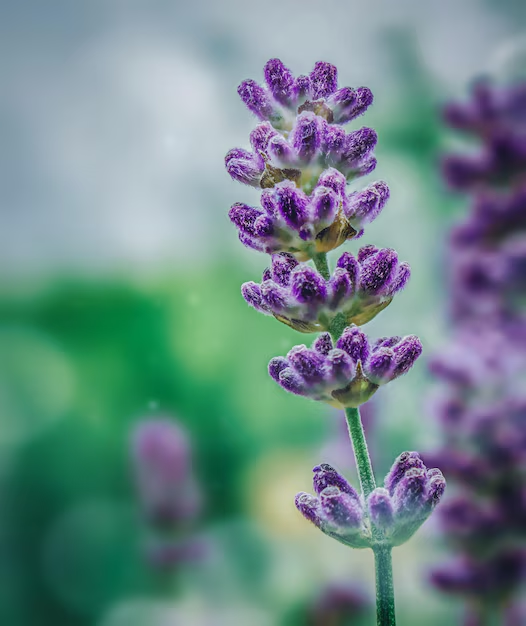
The richness of lavender lies in the complexity of its essence. Connoisseurs appreciate the natural presence of linalool and linalyl acetate, aromatic compounds that give it that beautifully rounded, relaxing scent. Unlike lavandin, it contains only very faint traces of camphor, which gives it this fragrance of great delicacy, without any harshness.
For centuries, people have used lavender for the well-being of the home and the body:
- In the evening at bedtime: We traditionally slip small sachets of dried flowers under the pillow or in wardrobes to scent the linen and invite a peaceful night's sleep.
- As a gentle infusion: A cup of lavender flowers infused at the end of the day is a well-known grandmother's secret to help unwind after a long day and soothe busy minds.
- For skin comfort: For external use, lavender water or a massage oil made with the flowers brings great comfort and is highly soothing where the skin feels warm or tight.
"A handful of lavender flowers in a warm bath, and all the tension of the day simply melts away. It is a simple gesture passed down from mother to daughter to find calm once again."
Preparation tips at home
To prepare a pleasant evening drink, let a teaspoon of dried true lavender flowers infuse in a cup of simmering water for about 5 to 8 minutes. Cover the cup well to keep in the precious aromas. You can add a touch of honey to sweeten the taste, which is naturally very aromatic and slightly bitter.
Safety note: Although lavender is a very gentle plant traditionally used by the whole family, everyone's sensitivity is unique. If you are pregnant, breastfeeding, or for young children, always seek advice from your doctor or pharmacist before introducing new well-being habits.
What makes it work
Essential oil rich in linalool and linalyl acetate, alongside flavonoids (luteolin, apigenin), coumarins, and triterpenes (ursolic acid). These natural components, documented in European pharmacopoeias, give the plant its soothing and aromatic qualities.
What I use her for
- · 01True lavender is a hardy shrub with blue-violet flowers that thrives in dry, sunny, and rocky soils.
- · 02True lavender flowers have been traditionally used in evening infusions to help soothe the mind before bedtime.
- · 03Dried true lavender flowers can be placed in small sachets under pillows to encourage a peaceful night.
- · 04A cooled infusion of true lavender flowers can be applied to the skin to soothe tightness and discomfort.
How I prepare her
Granny’s little recipes
Granny's evening herbal tea
In the evening, a good hour before slipping under the covers
What you’ll need
- 1 teaspoon of dried true lavender flowers
- 1 cup of simmering water
- 1 spoonful of wildflower honey for sweetness
How I go about it
- 01Place the pretty blue flowers at the bottom of your favourite cup.
- 02Pour the simmering water over them to release their sweet fragrance.
- 03Cover well to keep in all the good steam for 5 to 8 minutes.
- 04Strain, add your honey, and sip slowly while letting go of the day's worries.
The temple massage oil
At the end of the afternoon, when your head feels heavy and tired
What you’ll need
- 1 handful of dried lavender flowers
- 100 ml of sweet almond oil or olive oil from Provence
- A lovely, clean glass jar
How I go about it
- 01Slip your thoroughly dry lavender flowers into your jar.
- 02Cover them completely with your gentle oil.
- 03Let this mixture rest in the sun or near a heat source for two weeks, stirring from time to time.
- 04Strain the oil through a clean cloth and gently massage your temples with a few drops whenever you feel the need.
The comforting steam bath
After a long day of work, to enjoy a gentle, soothing break
What you’ll need
- 2 tablespoons of true lavender flowers
- 1 large bowl of boiling water
- A large bath towel
How I go about it
- 01Place your lavender flowers at the bottom of a large, heat-resistant bowl.
- 02Delicately pour the boiling water over the flowers.
- 03Place your face over the bowl and cover your head with the towel to trap the flowery steam.
- 04Close your eyes and breathe in this fragrance of yesteryear deeply for 5 to 10 minutes to relax.
Elsewhere: how others know her
You know, my friend Keiko who lives in Tokyo wrote to me the other day to tell me something quite curious. Over there in Japan, our little true lavender has become a real star! She explained that they call it "Rabenda" and make long journeys to the island of Hokkaido just to admire the purple fields that remind them of our beautiful Provence. She told me that for them, this flower is the very symbol of French serenity and refinement. They use it a lot in small fabric sachets under the pillow to fall asleep peacefully after their long days of work.
And then, my cousin who travelled in England for a long time told me that our British neighbours call it "English Lavender" and love to slip it into their tea or make biscuits with it. It is an old tradition going back to the time of Queen Victoria, who put it everywhere in her palace to scent the linen and chase away gloomy thoughts. It just goes to show how this little blue flower has won the hearts of the whole world with its sweet scent.
But you know me, what I do with it is much simpler. I much prefer to pick a lovely bouquet from my garden, hang it upside down to dry in the kitchen, and slip a handful into my wardrobes so the sheets smell clean and like the southern sun. There is nothing quite like it to make you feel at home.
What to know first
This information doesn’t replace advice from a healthcare professional. Health Disclaimer →
Her identity card
- Latin name
- Lavandula angustifolia
- Family
- Mint family (Lamiaceae)
- Parts used
- Flowers, Flowering tops
- Harvest
- Flowers harvested from July to August, in dry weather, in the warmth of mid-morning when the morning dew has evaporated.
- Form
- Herbal tea, infusion, essential oil, mother tincture, dried flower sachets, and capsules.
- Origin
- Native to the mountainous regions of the Mediterranean basin, particularly in southern Europe, where it thrives on dry, sunny limestone soils.
- Storage
- Store your dried lavender flowers in an airtight glass jar, kept in a cool, dark cupboard away from moisture, to preserve all their lovely scent for up to a year.
If you remember just one thing
- 01True lavender is a hardy shrub with blue-violet flowers that thrives in dry, sunny, and rocky soils.
- 02True lavender flowers have been traditionally used in evening infusions to help soothe the mind before bedtime.
- 03Dried true lavender flowers can be placed in small sachets under pillows to encourage a peaceful night.
- 04A cooled infusion of true lavender flowers can be applied to the skin to soothe tightness and discomfort.
Your questions
To make a comforting cup of true lavender tea, you just need to steep a small teaspoon of dried Lavandula angustifolia flowers in boiling water for about five minutes. Don't leave them in too long, or the taste will get a bit soapy, my dear. I love to add a little spoonful of honey to mine, and it is ready to warm your heart.
True lavender has been used by grandmothers for generations to help soothe the mind and prepare you for a restful night. You can drink a warm cup of its infusion before bed, or do as my mother did and slip a small sachet of dried flowers under your pillow. It gently calms the spirit so sleep can find you naturally, trust me.
Yes, drinking a cup of true lavender tea daily is generally very safe and wonderful for unwinding after a long, busy day. However, we are all different, so if you are pregnant, nursing, or taking any regular medications, it is always best to ask your doctor or pharmacist first. A quick chat with them will keep your mind completely at ease.
To soothe tight or warm skin, you can apply a cooled infusion of true lavender flowers directly to the area with a clean, soft cloth. This simple, traditional remedy brings immediate comfort and refreshes your skin beautifully. Just make sure the liquid has cooled down completely before you gently pat it on.
True lavender, which we call Lavandula angustifolia, is the sweet, gentle variety that grows in our sunny hills and is famous for its delicate, calming scent. Other wild lavenders can have a much stronger, sharper smell that isn't as pleasant for drinking or relaxing. For your evening tea and little home remedies, always look for true lavender to get that soft comfort we love.