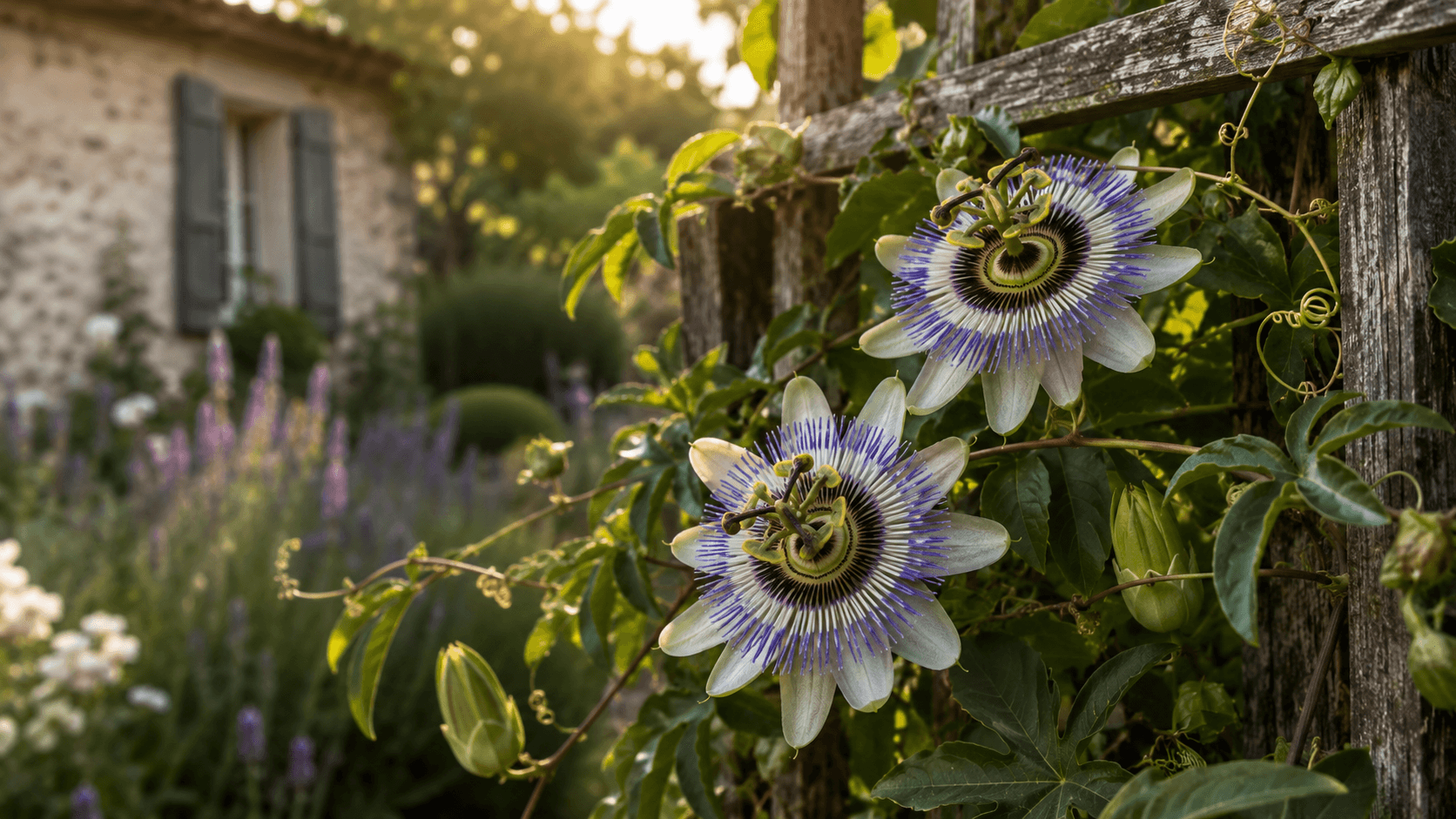
With its beautiful purple-fringed flowers, this lovely vine is a true treasure for your evenings. We have always brewed its leaves to help soothe the mind and bring back a sense of calm when the day has been too busy.
Who she really is
Family : Other. Native to the southeastern United States and Central America, this beautiful vine now grows widely in warm and temperate regions around the world.
Parts used : Flowers, Leaves, Stem, Whole plant. Leaves and flowers harvested from June to September, on a dry, sunny morning just as the blossoms begin to open.
Passion flower is a beautiful climbing vine that we have always brewed in my family to help soothe the mind. When your day has been too busy and your thoughts start racing, a warm cup of its dried leaves in the evening gently calms the inner chatter and helps you unwind before bed.
Her story
With its vigorous vines and extraordinarily graphic flowers, passionflower is one of the wonders of our mild-climate gardens. Beyond its fascinating beauty that brings to mind distant travels, this beautiful climber is a precious ally that our grandmothers loved to infuse when evening came to invite calm and prepare for a serene sleep.
A spectacular vine from elsewhere
Passionflower (Passiflora incarnata) belongs to a vast botanical family comprising more than 530 species. Native to the warm regions of the Americas, this climbing plant thrives fully in mild, sunny climates. Its tendrils allow it to cling securely to any support, quickly transforming a simple fence into a lush wall of greenery.
Nature shows incredible ingenuity with this plant. Botanists have observed that the great diversity of its leaf shapes is linked to a game of hide-and-seek with butterflies. To avoid caterpillars devouring all their foliage, some varieties of passionflower have modified the shape of their leaves over time to deceive the insects and encourage them to lay their eggs elsewhere.
The Passion Flower: quite a history
The name of the passionflower is closely linked to the history of its discovery by Western travelers. It was the Jesuit missionaries in South America who, struck by the unique structure of the flower, saw in it the symbols of the Passion. Its pistil, the colored filaments of its corolla, and its floral parts reminded them of the crown of thorns, the nails, and the hammer of the Crucifixion.
It was the physician and botanist Nicolas Monardes who, in the sixteenth century, first used the term flos passionis (passion flower) to describe it. Later, in 1628, Federico Cesi formalized its scientific name of Passiflora. In other cultures, it is poetically called the "clock-flower" because its heart draws a perfect dial with suspended hands.
A tradition of gentleness and serenity
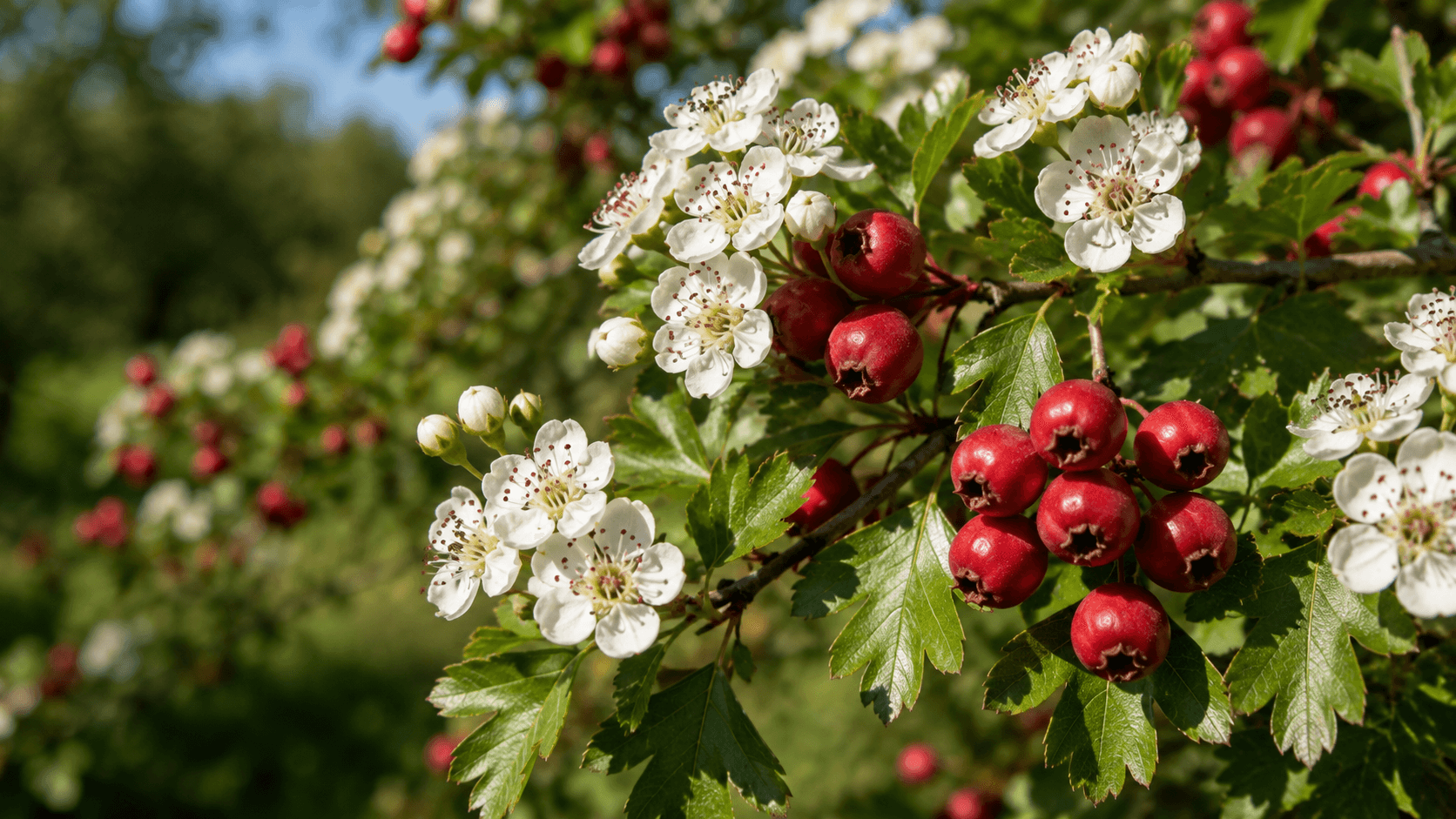
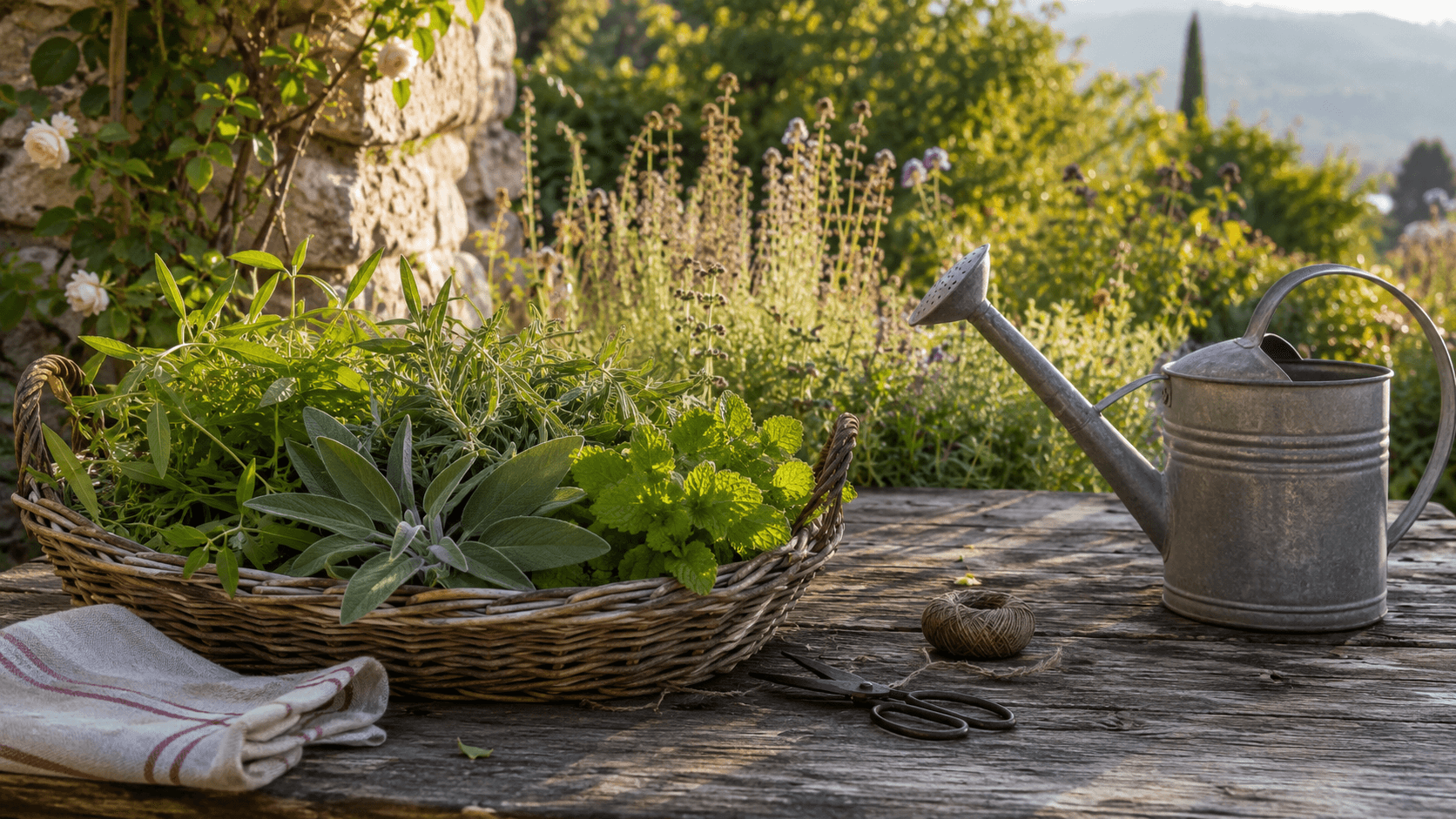
In traditional herbalism, the aerial parts of the passionflower are harvested and carefully dried. Elders readily used it to soothe over-agitated minds and to help ease the tensions of daily life. It is traditionally combined with hawthorn or lemon balm to prepare a comforting herbal tea before bedtime.
"A cup of passionflower infusion in the evening is like a warm blanket placed on your shoulders to gently invite calm to settle in."
In terms of its natural composition, modern science has highlighted the presence of numerous flavonoids (such as apigenin, vitexin, or luteolin) as well as small alkaloids. These natural components work in synergy to offer that feeling of relaxation so appreciated after a long day.
How to use it at home?
To enjoy the traditional benefits of passionflower, the simplest method remains the infusion of its dried leaves and flowers:
- The right measure: Count one teaspoon of dried plant per cup.
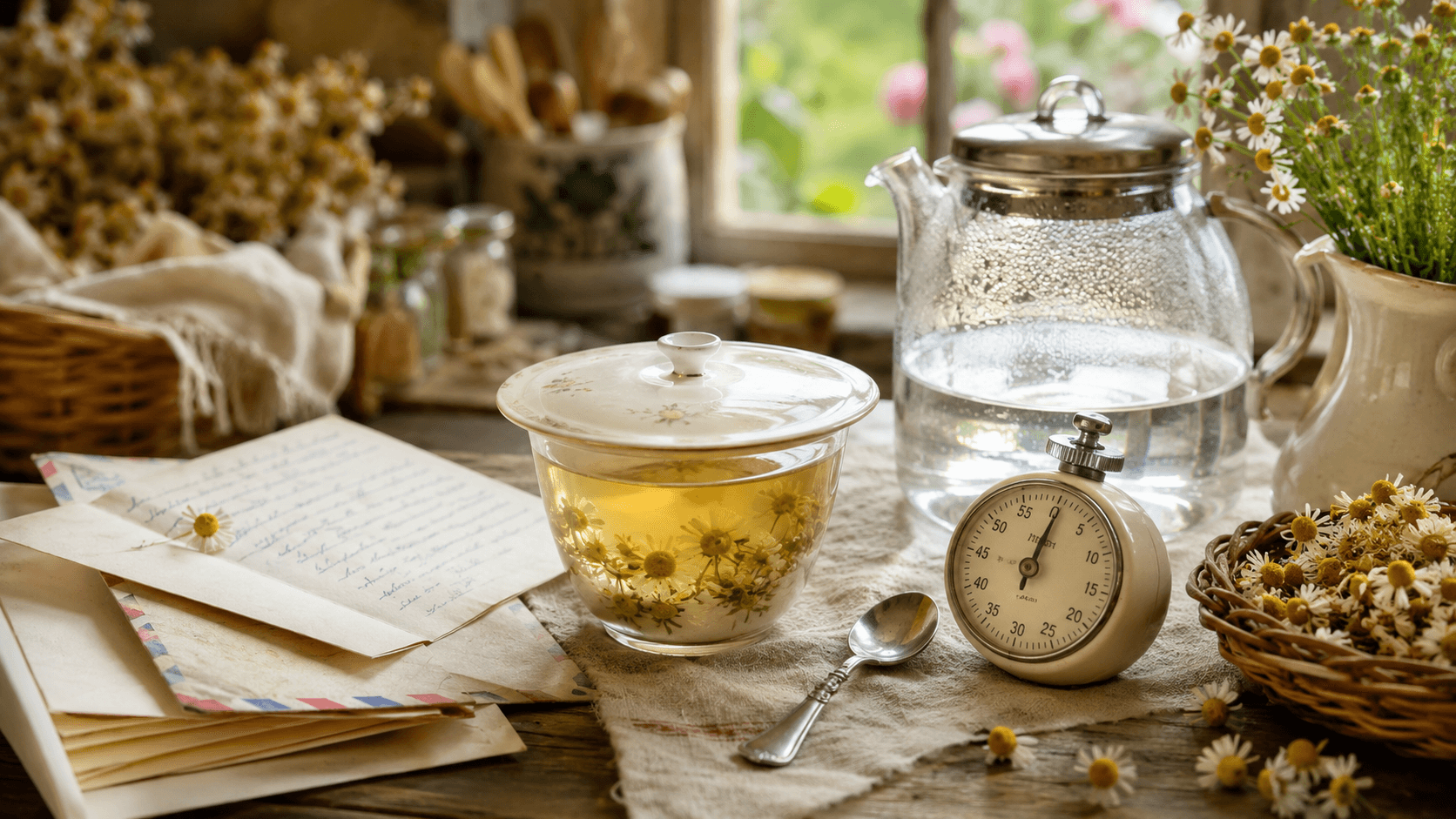
- The infusion: Pour simmering (not boiling) water and let infuse covered for 10 minutes to preserve all the volatile principles.
- The ideal time: Enjoy a cup in the late afternoon or an hour before bedtime to prepare yourself for a peaceful night.
A word of wisdom: Although passionflower is a gentle plant in common use, every body is unique. If you are expecting a happy event, if you are breastfeeding, or if you are following a specific health path, always ask your doctor or pharmacist for advice before integrating a new plant into your daily routine.
What makes it work
Flavonoids (such as vitexin, isovitexin, and apigenin), maltol, and small amounts of indole alkaloids (including harman). These natural constituents, documented in European pharmacopoeias, work together to support the plant's traditional calming properties.
What I use her for
- · 01Passion flower is a climbing vine native to the Americas with distinctive purple-fringed flowers.
- · 02Traditional herbalists use the dried leaves and flowers of the passion flower plant.
- · 03People traditionally drink passion flower herbal tea in the evening to help soothe the mind.
- · 04Passion flower infusions are traditionally used to help calm inner chatter and worry.
How I prepare her
Granny’s little recipes
The quiet evening herbal tea
An hour before slipping under the sheets, when the mind is restless
What you’ll need
- 1 teaspoon of dried passionflower leaves
- 1 cup of spring water
- 1 spoonful of sweet honey
How I go about it
- 01Gently simmer the water in your small saucepan.
- 02Remove from the heat and throw the passionflower leaves into the water.
- 03Leave to infuse under a lid for ten good minutes to keep all the benefits.
- 04Strain the preparation into your favorite cup.
- 05Add a touch of honey if you like sweetness, and sip slowly.
The comforting bath after a long day
In the late afternoon, when fatigue sets in and you need to release the pressure
What you’ll need
- 4 tablespoons of dried passionflower
- 1 liter of water
- A handful of coarse salt
How I go about it
- 01Prepare a very strong infusion by boiling the passionflower in the liter of water for fifteen minutes.
- 02Strain this large bowl of concentrated herbal tea.
- 03Run your hot bath and pour in the infusion as well as the coarse salt.
- 04Plunge in for a moment of pure relaxation, just as our elders used to do.
The infusion for busy days
In the afternoon, when your stomach gets knotted up from daily worries
What you’ll need
- 1 half-teaspoon of passionflower
- 1 half-teaspoon of lemon balm
- 1 large cup of hot water
How I go about it
- 01Mix the two plants in your teapot.
- 02Pour the simmering water over them.
- 03Leave to rest for eight minutes, no more, to avoid bitterness.
- 04Strain and drink quietly, taking the time to breathe.
What to know first
This information doesn’t replace advice from a healthcare professional. Health Disclaimer →
Her identity card
- Latin name
- Passiflora incarnata
- Family
- Other
- Parts used
- Flowers, Leaves, Stem, Whole plant
- Harvest
- Leaves and flowers harvested from June to September, on a dry, sunny morning just as the blossoms begin to open.
- Form
- Herbal tea, infusion, mother tincture, powder, and capsules.
- Origin
- Native to the southeastern United States and Central America, this beautiful vine now grows widely in warm and temperate regions around the world.
- Storage
- Keep your dried passion flower leaves in a tightly closed jar, tucked away in a dark, dry cupboard, and they will keep their soothing virtues for up to a year.
If you remember just one thing
- 01Passion flower is a climbing vine native to the Americas with distinctive purple-fringed flowers.
- 02Traditional herbalists use the dried leaves and flowers of the passion flower plant.
- 03People traditionally drink passion flower herbal tea in the evening to help soothe the mind.
- 04Passion flower infusions are traditionally used to help calm inner chatter and worry.
Your questions
We have always used passion flower to help soothe the mind and bring back a sense of calm when the day has been too busy. This lovely climbing plant is a true treasure for your evenings, helping to quiet the inner chatter so you can unwind. It does you good and brings a soft warmth to the chest when you feel a bit too hectic, trust me.
To make a comforting passion flower tea, you simply brew a small handful of the dried leaves and flowers in hot water for about ten minutes. I always tell people to drink it in the evening to unwind and prepare for a peaceful night. It is a simple, traditional ritual that gently soothes the spirit after a long day.
While passion flower is a gentle friend for your restless evenings, it is always wise to use it with care and not overdo it. Because it helps you unwind so well, it might make you a bit drowsy, so do not drink it before driving. If you are pregnant, nursing, or taking other remedies, play it safe and ask your doctor or pharmacist first.
Yes, passion flower is a blessing when your stomach gets knotted from worry or when your mind starts racing. In my family, we have always turned to this beautiful plant because it calms the tension that settles in your body. It helps you breathe a little easier and brings back a lovely feeling of comfort.
We mostly use the aerial parts of the passion flower, which means the delicate leaves and those beautiful, purple-fringed flowers. We harvest them during the sunny summer days and dry them carefully in the shade to keep all their natural goodness. These dried parts are what we brew in our teapots to help us settle down at night.